



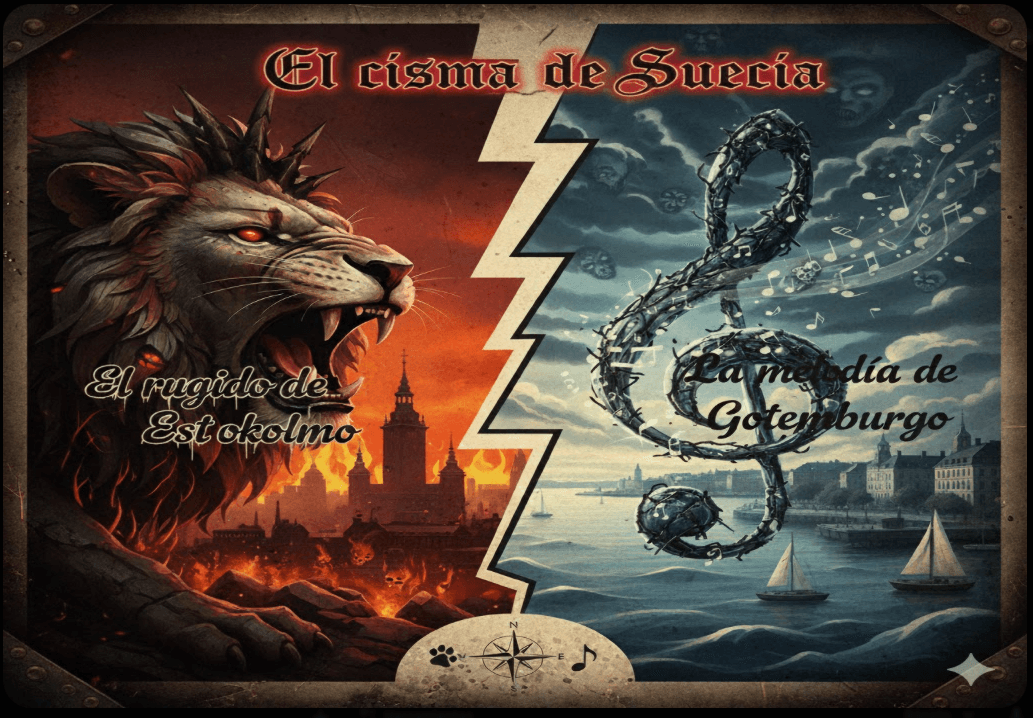
Si alguna vez te has preguntado cómo un país con menos población que la ciudad de Madrid logró rediseñar el mapa genético del metal extremo, la respuesta está en una rivalidad sónica fascinante. En la década de los 90, Suecia no solo exportaba muebles y coches seguros; exportaba una nueva forma de entender la muerte y la melodía.
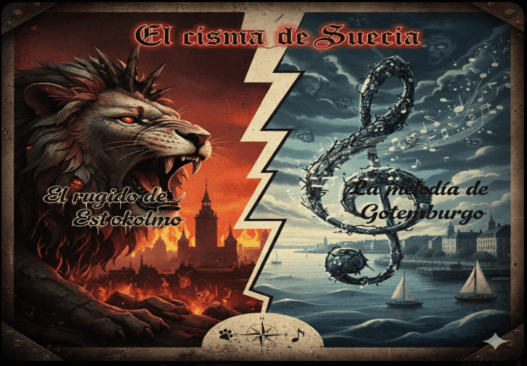
Como alguien que ha analizado hasta la saciedad las frecuencias de esos años, siempre digo que Suecia es un país de dos capitales metálicas: Estocolmo, con su sonido sucio, podrido y punk; y Gotemburgo, con su elegancia técnica, armonías gemelas y una épica que rozaba lo académico. Para mí, entender el Swedeath(Death Metal Sueco) es entender este cisma. No es solo música, es una cuestión de geografía sonora.
I. Estocolmo: El culto al «Buzzsaw» y el Pedal HM-2
A finales de los 80, mientras en Florida el death metal se volvía técnico y preciso, en Estocolmo un grupo de jóvenes (casi niños) quería sonar como una motosierra oxidada cortando un hueso. Esa es la esencia del sonido de Estocolmo.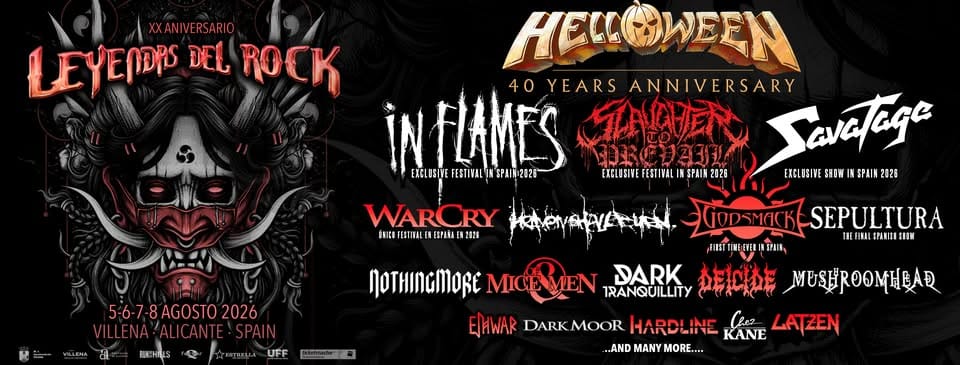
- El corazón del sonido: El Boss HM-2
Si hay un dato técnico que define esta escuela es el pedal Boss HM-2 Heavy Metal. Pero no usado de forma normal. Los guitarristas de la escena (liderados por Leffe Cuzner de Nihilist/Entombed) descubrieron que si ponías todos los controles —Level, Color L, Color H y Dist— al máximo (al 10), el resultado era una distorsión granular, masiva y llena de medios que devoraba todo a su paso.
- Los Templos: Sunlight Studios y Tomas Skogsberg
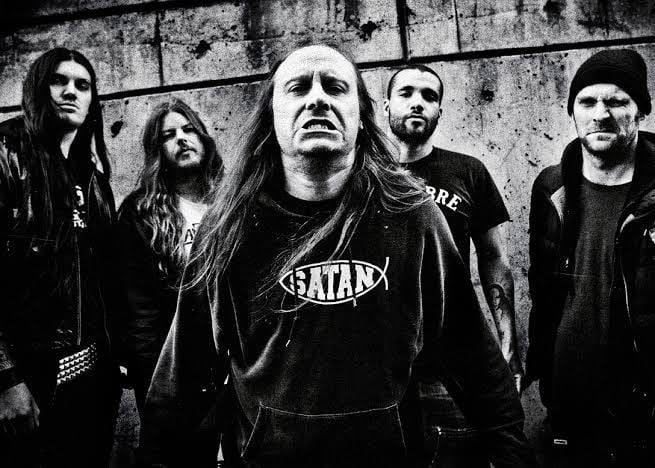
No se puede hablar de Estocolmo sin Tomas Skogsberg. En sus Sunlight Studios, una pequeña habitación que hoy sería considerada precaria, Skogsberg capturó el sonido de una generación. Su técnica de producción buscaba la densidad sobre la claridad.
Entombed (antes Nihilist): Su debut «Left Hand Path» (1990) es la biblia del sonido Estocolmo. La batería de Nicke Andersson tenía un aire punk, y los riffs eran puro groove macabro.
Dismember: Con «Like an Ever Flowing Stream» (1991), llevaron la agresividad un paso más allá. Eran más rápidos y viscerales, pero con ese mismo tono de guitarra que parecía venir del infierno.
Grave y Unleashed: Completaron el póker de ases, cada uno aportando matices (Grave el peso sísmico y Unleashed la temática vikinga).
II. Gotemburgo: La revolución melódica y el «Gothenburg Sound»
Mientras Estocolmo cavaba tumbas, a unos 400 kilómetros al suroeste, en Gotemburgo, estaba naciendo algo totalmente distinto. Allí, la agresividad del death metal se fusionó con la sensibilidad melódica de la NWOBHM (especialmente Iron Maiden). Nació el Death Metal Melódico o Melodeath.
- El Enfoque: Armonías y estructura
A diferencia de sus primos de Estocolmo, las bandas de Gotemburgo querían claridad. Querían que se escucharan las notas. Sustituyeron el «ruido» por el contrapunto de guitarras, las escalas menores y una estructura de canción mucho más cercana al heavy metal clásico pero con voces guturales.
- Los templos: Studio Fredman y Fredrik Nordström
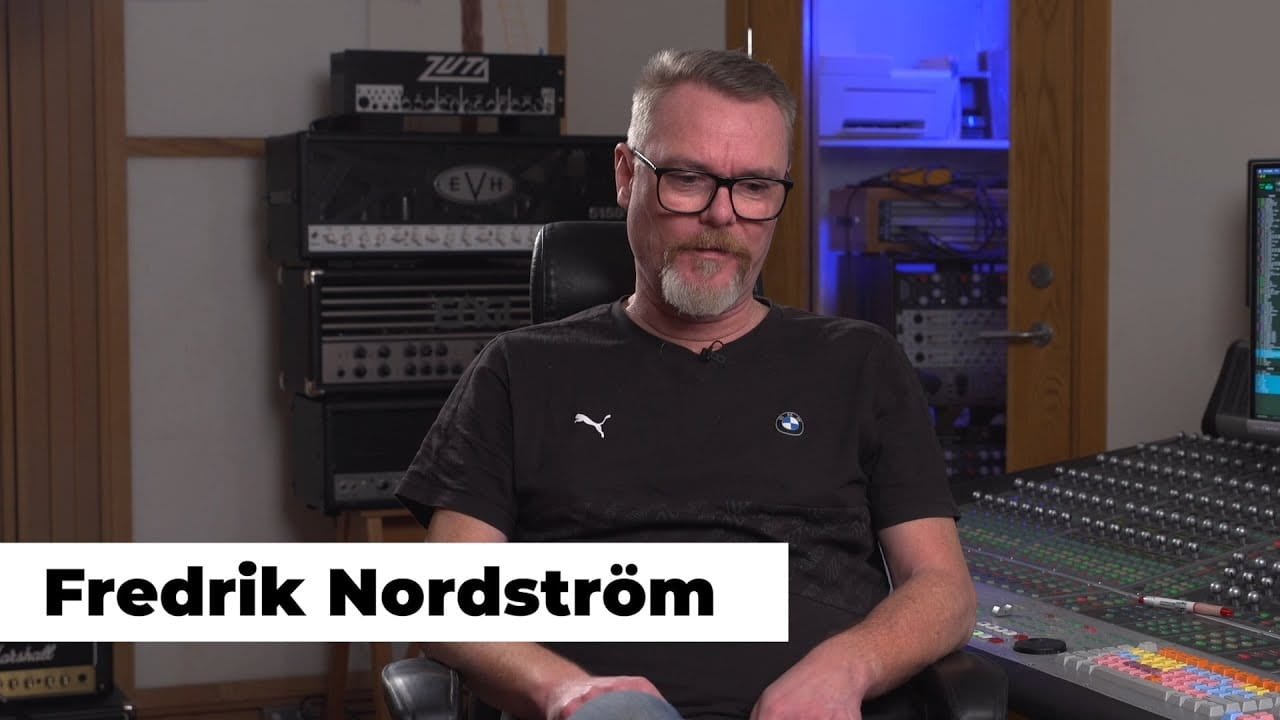
Si Skogsberg era el arquitecto de Estocolmo, Fredrik Nordström lo fue de Gotemburgo. En Studio Fredman, Nordström perfeccionó una producción limpia, potente y cristalina, donde cada armonía de guitarra tenía su lugar en la mezcla.
- La santísima trinidad de Gotemburgo
At The Gates: Su álbum «Slaughter of the Soul» (1995) es, probablemente, el disco más influyente de la década. Corto, directo, lleno de riffs icónicos y una producción que definió el estándar moderno.
In Flames: Con «The Jester Race» (1996), introdujeron el folk, las guitarras acústicas y una dualidad melódica que los hizo imparables.
Dark Tranquillity: Aportaron la melancolía y la profundidad lírica. «The Gallery» (1995) es una obra de arte abstracta dentro del género.
III. Comparativa técnica: Dos mundos opuestos
| Característica | Escuela de Estocolmo | Escuela de Gotemburgo |
| Tono de guitarra | Sucio, saturado («Buzzsaw»). HM-2 al máximo. | Limpio, definido, con mucha ganancia pero claridad. |
| Influencia principal | Punk, Hardcore, Autopsy, Repulsion. | Iron Maiden, Thin Lizzy, Mercyful Fate. |
| Producción | Orgánica, densa, «Sunlight Studios». | Pulida, quirúrgica, «Studio Fredman». |
| Estructura | Riffs de poder, groove y atmósfera de horror. | Armonías duales, solos melódicos y estribillos. |
| Voz | Guturales profundos y cavernosos. | Rasgados agudos o guturales con métrica clara. |
IV. El Impacto global y el legado
Es imposible subestimar el peso de estas dos escuelas.
La invasión del Metalcore Americano: A principios de los 2000, bandas como Killswitch Engage, As I Lay Dying o Shadows Fall admitieron que su sonido era básicamente el de Gotemburgo con un toque de hardcore americano. Sin «Slaughter of the Soul», el metalcore moderno no existiría.
El renacimiento del HM-2: Hoy en día, hay un «revival» masivo del sonido de Estocolmo. Bandas como Gatecreeper, Blood Incantation o incluso los españoles Haemorrhage y Avulsed (en ciertos pasajes) han mantenido viva la llama de la motosierra sueca.
V. Reflexión personal: ¿Con cuál me quedo?
A menudo me preguntan: «¿Eres de Estocolmo o de Gotemburgo?». Es como preguntar si prefieres el invierno o el otoño.
Cuando busco la catarsis pura, el sudor y la sensación de estar en un ensayo clandestino, pongo a Dismember. No hay nada que supere esa vibración física del pedal HM-2. Pero cuando busco la excelencia compositiva, la emoción y la técnica que me haga querer agarrar una guitarra, At The Gates o los primeros In Flames son insuperables.
Suecia demostró que el metal extremo no es un bloque monolítico. Puede ser una bestia sucia que surge de la alcantarilla o un guerrero elegante que lucha en un campo de batalla épico. Y lo mejor de todo es que, después de 30 años, ambos sonidos siguen siendo la piedra angular de todo lo que escuchamos en Atanathos.
If you have ever wondered how a country with a smaller population than the city of Madrid managed to redesign the genetic map of extreme metal, the answer lies in a fascinating sonic rivalry. In the 1990s, Sweden didn’t just export furniture and safe cars; it exported a new way of understanding death and melody.
As someone who has analyzed the frequencies of those years to the point of exhaustion, I always say that Sweden is a country of two metal capitals: Stockholm, with its dirty, rotten, and punk sound; and Gothenburg, with its technical elegance, twin harmonies, and an epic feel that bordered on the academic. For me, understanding Swedeath (Swedish Death Metal) is understanding this schism. It is not just music; it is a matter of sonic geography.
I. Stockholm: The cult of the «Buzzsaw» and the HM-2 Pedal
In the late 80s, while in Florida death metal was becoming technical and precise, in Stockholm a group of young men (almost children) wanted to sound like a rusty chainsaw cutting through bone. That is the essence of the Stockholm sound.
- The heart of the sound: The Boss HM-2
If there is one technical fact that defines this school, it is the Boss HM-2 Heavy Metal pedal. But not used in a normal way. The guitarists of the scene (led by Leffe Cuzner of Nihilist/Entombed) discovered that if you turned all the controls—Level, Color L, Color H, and Dist—to the maximum (at 10), the result was a granular, massive distortion full of mids that devoured everything in its path.
- The Temples: Sunlight Studios and Tomas Skogsberg
You cannot talk about Stockholm without Tomas Skogsberg. In his Sunlight Studios, a small room that today would be considered precarious, Skogsberg captured the sound of a generation. His production technique sought density over clarity.
Entombed (formerly Nihilist): Their debut «Left Hand Path» (1990) is the bible of the Stockholm sound. Nicke Andersson’s drumming had a punk air, and the riffs were pure macabre groove.
Dismember: With «Like an Ever Flowing Stream» (1991), they took aggressiveness a step further. They were faster and more visceral, but with that same guitar tone that seemed to come from hell.
Grave and Unleashed: They completed the «four of a kind,» each contributing nuances (Grave providing seismic weight and Unleashed focusing on Viking themes).
II. Gothenburg: The melodic revolution and the «Gothenburg Sound»
While Stockholm was digging graves, about 400 kilometers to the southwest, in Gothenburg, something completely different was being born. There, the aggressiveness of death metal merged with the melodic sensitivity of the NWOBHM (especially Iron Maiden). Melodic Death Metal or Melodeath was born.
- The approach: Harmonies and structure
Unlike their Stockholm cousins, the Gothenburg bands wanted clarity. They wanted the notes to be heard. They replaced «noise» with guitar counterpoint, minor scales, and a song structure much closer to classic heavy metal but with guttural vocals.
- The temples: Studio Fredman and Fredrik Nordström
If Skogsberg was the architect of Stockholm, Fredrik Nordström was Gothenburg’s. At Studio Fredman, Nordström perfected a clean, powerful, and crystalline production where every guitar harmony had its place in the mix.
The Gothenburg holy trinity:
At The Gates: Their album «Slaughter of the Soul» (1995) is probably the most influential record of the decade. Short, direct, full of iconic riffs and a production that defined the modern standard.
In Flames: With «The Jester Race» (1996), they introduced folk, acoustic guitars, and a melodic duality that made them unstoppable.
Dark Tranquillity: They brought melancholy and lyrical depth. «The Gallery» (1995) is an abstract work of art within the genre.
III. Technical comparison: Two opposing worlds
| Feature | Stockholm school | Gothenburg school |
| Guitar tone | Dirty, saturated («Buzzsaw»). HM-2 to the max. | Clean, defined, with high gain but clarity. |
| Main influence | Punk, Hardcore, Autopsy, Repulsion. | Iron Maiden, Thin Lizzy, Mercyful Fate. |
| Production | Organic, dense, «Sunlight Studios». | Polished, surgical, «Studio Fredman». |
| Structure | Power riffs, groove, and horror atmosphere. | Dual harmonies, melodic solos, and choruses. |
| Vocals | Deep, cavernous growls. | High-pitched screams or growls with clear meter. |
IV. Global impact and legacy
It is impossible to underestimate the weight of these two schools.
The American Metalcore invasion: In the early 2000s, bands like Killswitch Engage, As I Lay Dying, or Shadows Fall admitted that their sound was basically the Gothenburg sound with a touch of American hardcore. Without «Slaughter of the Soul», modern metalcore would not exist.
The HM-2 renaissance: Nowadays, there is a massive «revival» of the Stockholm sound. Bands like Gatecreeper, Blood Incantation, or even the Spanish bands Haemorrhage and Avulsed (in certain passages) have kept the flame of the Swedish chainsaw alive.
V. Personal reflection: Which one do I choose?
I am often asked: «Are you from Stockholm or Gothenburg?». It’s like asking if you prefer winter or autumn.
When I seek pure catharsis, sweat, and the feeling of being in a clandestine rehearsal, I put on Dismember. Nothing beats that physical vibration of the HM-2 pedal. But when I look for compositional excellence, emotion, and technique that makes me want to grab a guitar, At The Gates or early In Flames are insuperable.
Sweden proved that extreme metal is not a monolithic block. It can be a dirty beast emerging from the sewer or an elegant warrior fighting on an epic battlefield. And best of all, after 30 years, both sounds remain the cornerstone of everything we listen to at Atanathos.