




(English Below)
Ficha Técnica
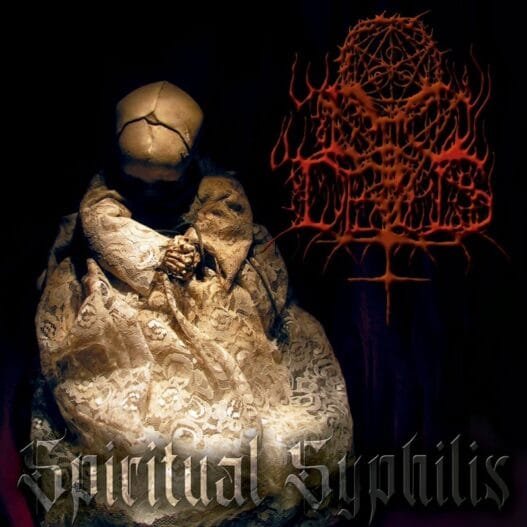
Artista: Odio Deus
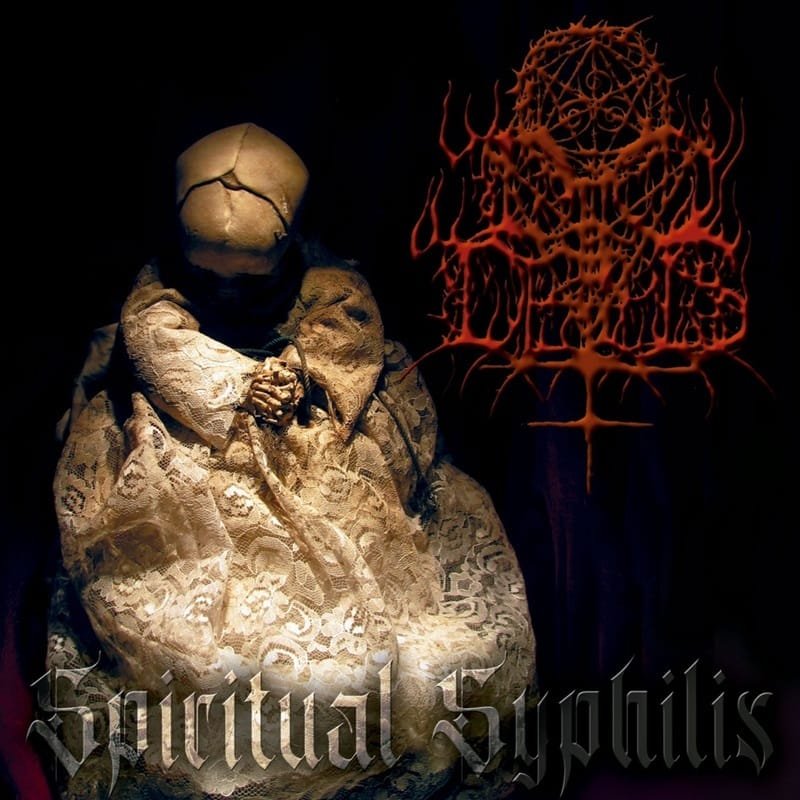
Álbum: «Spiritual Syphilis»
Sello: Independiente
Fecha de lanzamiento: 2025
Género: Black Metal con influencias Death Metal
Para fans de: Mayhem | Marduk | Dissection | Morbid Angel | Watain
No estamos ante un trabajo que utilice la crítica a la religión organizada como mero recurso estético o como herencia automática del black metal escandinavo; aquí la denuncia es el eje conceptual, el combustible que alimenta tanto la agresividad musical como el discurso lírico.
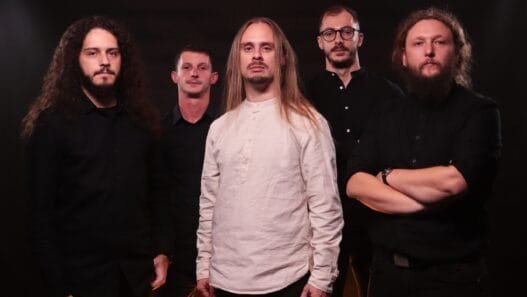
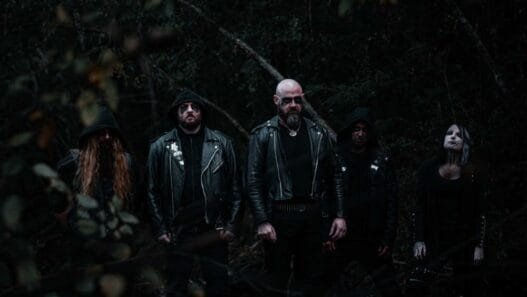
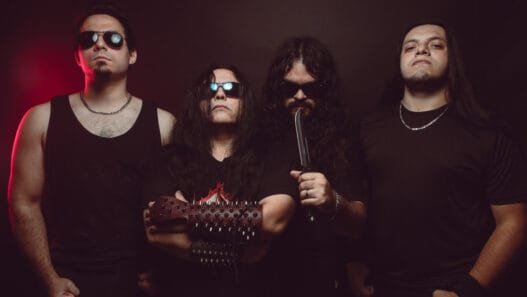
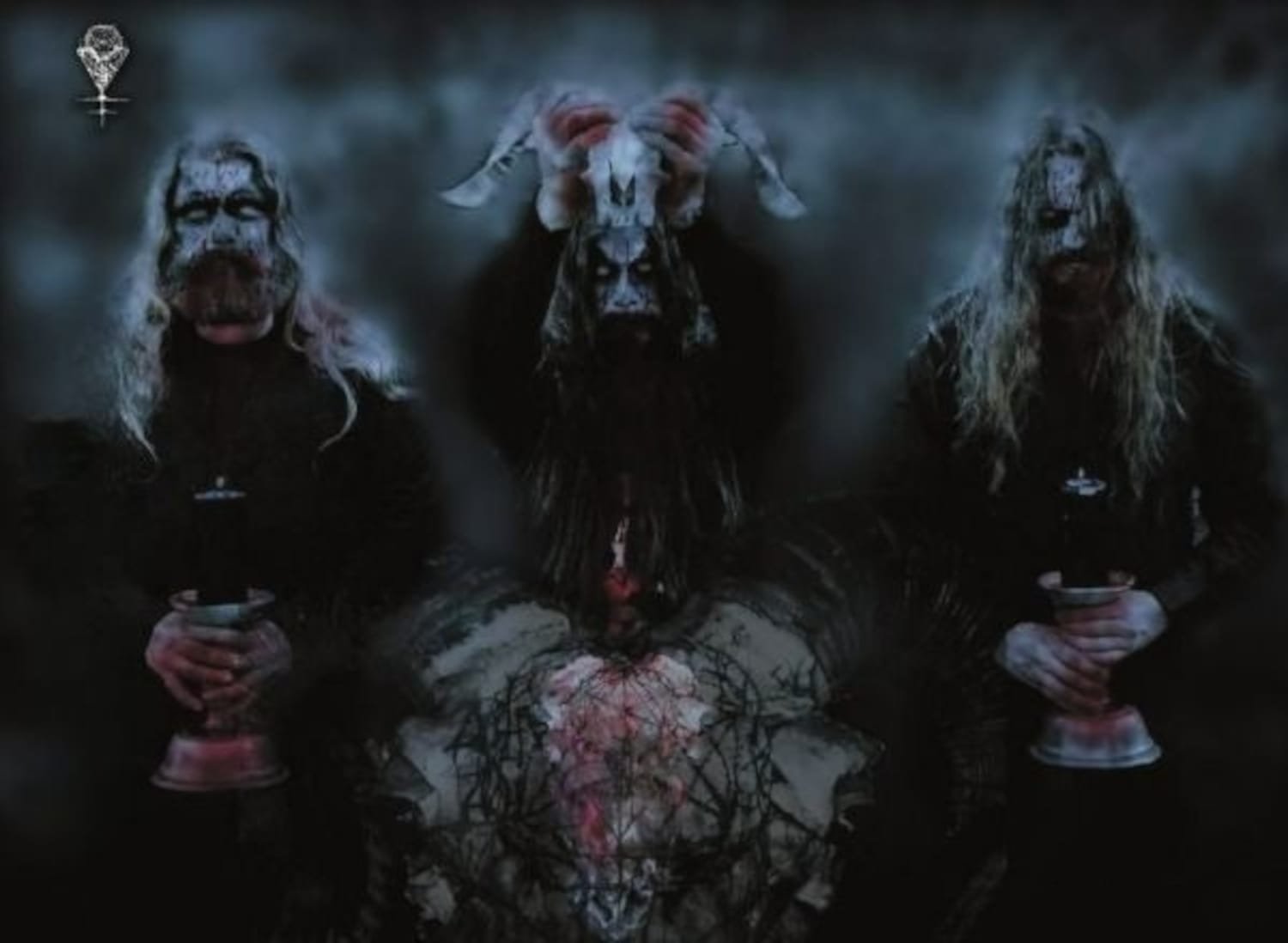
Odio Deus fue fundado en 2020 en Oslo por Telal, tras años de trayectoria en diferentes bandas de black metal. Su intención era clara: tener control absoluto sobre la dirección musical y el enfoque conceptual del proyecto. Esa voluntad de autonomía se percibe en «Spiritual Syphilis», un álbum que ha sido desarrollado durante aproximadamente dos años, desde la concepción inicial hasta su forma definitiva. Esa maduración prolongada se traduce en un disco cohesionado, consciente de su identidad y fiel a una visión concreta.
Desde el punto de vista estilístico, el álbum combina la tradición del black metal noruego y sueco con una influencia notable del death metal estadounidense. Esta mezcla no es meramente declarativa: se escucha en la construcción de los riffs, en la densidad de la producción y en la contundencia rítmica. Si la atmósfera y ciertos patrones melódicos remiten a la escuela escandinava —con ecos que pueden recordar a Mayhem, Marduk o incluso al Dissection más agresivo—, la pegada, la estructura de algunos pasajes y el peso de las guitarras conectan claramente con la tradición de bandas como Morbid Angel o Deicide.
El álbum abre con “Curse of Jehovah”, una declaración de intenciones directa y sin concesiones. Desde los primeros compases, la batería de Telal marca un ritmo implacable, alternando blast beats clásicos con secciones más pesadas y densas que refuerzan la influencia death metal. Las guitarras, a cargo de Braatebrann y Winterheart, construyen un muro sonoro afilado, con riffs que oscilan entre la crudeza tradicional y un enfoque más técnico y compacto. La voz, rasgada y agresiva, no busca sofisticación melódica: transmite rabia, desprecio y confrontación.
“The Con Man” continúa en esa línea, pero introduce variaciones interesantes en la dinámica. Aquí se percibe un mayor trabajo en las transiciones, con cambios de tempo que aportan tensión y evitan la monotonía. Es precisamente en estos detalles donde se aprecia el tiempo invertido en la composición. No estamos ante una sucesión de temas construidos a base de fórmulas repetidas, sino ante un conjunto que busca mantener la intensidad sin sacrificar estructura.
El tercer corte, “The Chosen People”, profundiza en el discurso crítico del álbum. Sin entrar en provocaciones gratuitas, la letra aborda la manipulación y el uso del dogma como herramienta de poder. Musicalmente, el tema destaca por un riff central especialmente sólido, con un aire casi marcial que refuerza la sensación de confrontación. La producción, aunque cruda en su esencia, permite distinguir claramente cada instrumento, algo fundamental en un género donde el exceso de saturación puede diluir la fuerza de las composiciones.
La pieza que da título al disco, “Spiritual Syphilis”, es probablemente uno de los momentos más representativos del álbum. Aquí la fusión entre black y death metal alcanza su punto más equilibrado. La estructura del tema alterna secciones rápidas y abrasivas con partes más pesadas y casi opresivas, creando un contraste que refuerza el impacto del estribillo principal. La metáfora de la “sífilis espiritual” funciona como núcleo conceptual del disco: la idea de que ciertas formas de religión organizada actúan como una enfermedad que corroe desde dentro, disfrazada de virtud.
“Deceiver” y “Lenkene er brutt” mantienen el nivel de intensidad, aunque con matices distintos. La primera se inclina más hacia el black metal tradicional, con un enfoque más lineal y atmosférico, mientras que la segunda —cuyo título en noruego se traduce como “Las cadenas están rotas”— introduce un tono ligeramente más épico, casi liberador. Es interesante cómo el uso del idioma noruego en algunos temas aporta autenticidad y refuerza la identidad del proyecto.
“Svik” y “Glossolalia” exploran territorios algo más experimentales dentro del marco establecido. En “Glossolalia”, por ejemplo, el concepto de hablar en lenguas —asociado a ciertos movimientos religiosos— se traduce musicalmente en una estructura algo más caótica, con cambios abruptos y una sensación de desorientación deliberada. No es un tema fácil, pero sí uno de los más interesantes desde el punto de vista conceptual.
El cierre con “Til evig tid” (“Por la eternidad”) funciona como un epílogo sombrío y contundente. No hay redención ni concesión final; el álbum termina reafirmando su postura crítica, dejando una sensación de conflicto sin resolver. Es un final coherente con el espíritu general de la obra.
Uno de los aspectos más destacables de «Spiritual Syphilis» es su coherencia interna. A pesar de la variedad de matices, el disco mantiene una identidad clara de principio a fin. La colaboración entre los tres miembros —Telal, Braatebrann y Winterheart— se percibe fluida y bien engranada. No hay sensación de protagonismos individuales desmedidos; todo está al servicio de la visión global del proyecto.
En cuanto a la producción, el álbum apuesta por un equilibrio entre crudeza y claridad. No busca el sonido lo-fi extremo de la primera ola del black metal noruego, pero tampoco se inclina hacia una pulcritud excesiva. El resultado es un sonido robusto, con guitarras densas, una batería potente y un bajo que aporta profundidad sin quedar enterrado en la mezcla.
Desde una perspectiva crítica, «Spiritual Syphilis» no reinventa el género, pero tampoco lo necesita. Su valor reside en la solidez de su ejecución y en la honestidad de su propuesta. En un panorama donde muchas bandas recurren a la estética anticlerical como cliché, Odio Deus construyen un discurso que, al menos en su planteamiento, parece surgir de una convicción real y no de una simple estrategia de imagen.
¿Tiene puntos mejorables? Sí. En algunos tramos, la intensidad constante puede resultar algo homogénea para oyentes que busquen mayor variedad atmosférica. Asimismo, aunque la fusión con el death metal está bien lograda, en ciertos momentos podría explorarse con mayor profundidad técnica o estructural para aportar aún más personalidad.
Sin embargo, estos detalles no empañan el conjunto. Spiritual Syphilis» es un debut (o primer larga duración) sólido, coherente y comprometido, que posiciona a Odio Deus como una banda a seguir dentro del underground escandinavo. No es un disco complaciente ni diseñado para agradar a todo el mundo; es una obra confrontativa, intensa y fiel a su visión.
Puntuación: 8,5 / 10
En definitiva, considero que Spiritual Syphilis» es un trabajo notable dentro del black/death contemporáneo, con identidad, convicción y una ejecución más que competente. Un álbum que no busca ser cómodo, sino necesario para quienes conectan con su mensaje y su sonido.
Tracklist de «Spiritual Syphilis»
- «Curse of Jehovah»
- «The Con Man»
- «The Chosen People»
- «Spiritual Syphilis»
- «Deceiver»
- «Lenkene er brutt»
- «Svik»
- «Glossolalia»
- «Til evig tid»
Multimedia
Miembros
Telal – Bateria, Bajo
Braatebrann – Guitarr, Voz, Bajo
Winterheart – Guitarra
Redes sociales
Facebook: www.facebook.com/Odio-Deus-Official
Youtube: www.youtube.com/@OdioDeusband
This is not a work that uses the critique of organized religion as a mere aesthetic resource or as an automatic inheritance from Scandinavian black metal; here, the denunciation is the conceptual axis—the fuel that feeds both the musical aggression and the lyrical discourse.
Odio Deus was founded in 2020 in Oslo by Telal, following years of experience in various black metal bands. His intention was clear: to have absolute control over the musical direction and the conceptual focus of the project. This drive for autonomy is palpable in «Spiritual Syphilis», an album developed over approximately two years, from initial conception to its final form. This prolonged maturation translates into a cohesive record, conscious of its identity and faithful to a specific vision.
Stylistically, the album combines the tradition of Norwegian and Swedish black metal with a notable influence from American death metal. This blend is not merely declarative; it is heard in the construction of the riffs, the density of the production, and the rhythmic force. While the atmosphere and certain melodic patterns harken back to the Scandinavian school—with echoes reminiscent of Mayhem, Marduk, or even the most aggressive Dissection—the punch, the structure of certain passages, and the weight of the guitars clearly connect with the tradition of bands like Morbid Angel or Deicide.
The album opens with “Curse of Jehovah”, a direct and uncompromising statement of intent. From the first bars, Telal’s drumming sets a relentless pace, alternating classic blast beats with heavier, denser sections that reinforce the death metal influence. The guitars, handled by Braatebrann and Winterheart, build a sharp sonic wall with riffs that oscillate between traditional rawness and a more technical, compact approach. The vocals, raspy and aggressive, do not seek melodic sophistication: they transmit rage, contempt, and confrontation.
“The Con Man” continues in this vein but introduces interesting variations in dynamics. Here, more work is perceived in the transitions, with tempo changes that provide tension and prevent monotony. It is precisely in these details where the time invested in composition is appreciated. We are not looking at a succession of tracks built on repeated formulas, but at a set that seeks to maintain intensity without sacrificing structure.
The third track, “The Chosen People”, delves deeper into the album’s critical discourse. Without resorting to gratuitous provocation, the lyrics address manipulation and the use of dogma as a tool of power. Musically, the track stands out for an especially solid central riff with an almost martial air that reinforces the sense of confrontation. The production, though raw in essence, allows each instrument to be clearly distinguished—something fundamental in a genre where excessive saturation can dilute the strength of the compositions.
The title track, “Spiritual Syphilis”, is likely one of the most representative moments of the album. Here, the fusion between black and death metal reaches its most balanced point. The track’s structure alternates fast, abrasive sections with heavier, almost oppressive parts, creating a contrast that bolsters the impact of the main chorus. The metaphor of «spiritual syphilis» functions as the record’s conceptual core: the idea that certain forms of organized religion act as a disease that corrodes from within, disguised as virtue.
“Deceiver” and “Lenkene er brutt” maintain the level of intensity, albeit with different nuances. The former leans more toward traditional black metal with a more linear and atmospheric focus, while the latter—whose Norwegian title translates to “The Chains Are Broken”—introduces a slightly more epic, almost liberating tone. It is interesting how the use of the Norwegian language in some tracks provides authenticity and reinforces the project’s identity.
“Svik” and “Glossolalia” explore somewhat more experimental territories within the established framework. In “Glossolalia”, for example, the concept of speaking in tongues—associated with certain religious movements—is musically translated into a more chaotic structure with abrupt changes and a sense of deliberate disorientation. It is not an easy track, but it is one of the most interesting from a conceptual standpoint.
The closing track “Til evig tid” (“For Eternity”) functions as a somber and forceful epilogue. There is no redemption or final concession; the album ends by reaffirming its critical stance, leaving a sense of unresolved conflict. It is an ending consistent with the overall spirit of the work.
One of the most remarkable aspects of «Spiritual Syphilis» is its internal coherence. Despite the variety of nuances, the record maintains a clear identity from start to finish. The collaboration between the three members—Telal, Braatebrann, and Winterheart—feels fluid and well-oiled. There is no sense of excessive individual ego; everything is at the service of the project’s global vision.
Regarding production, the album strikes a balance between rawness and clarity. It doesn’t seek the extreme lo-fi sound of the first wave of Norwegian black metal, nor does it lean toward excessive polish. The result is a robust sound with dense guitars, powerful drums, and a bass that provides depth without being buried in the mix.
From a critical perspective, «Spiritual Syphilis» does not reinvent the genre, but it doesn’t need to. Its value lies in the solidity of its execution and the honesty of its proposal. In a landscape where many bands resort to anti-clerical aesthetics as a cliché, Odio Deus builds a discourse that, at least in its premise, seems to arise from real conviction rather than a simple image strategy.
Are there areas for improvement? Yes. In some sections, the constant intensity can feel somewhat homogeneous for listeners seeking greater atmospheric variety. Likewise, although the fusion with death metal is well-achieved, at certain points it could be explored with more technical or structural depth to provide even more personality.
However, these details do not tarnish the whole. «Spiritual Syphilis» is a solid, coherent, and committed debut (or first full-length) that positions Odio Deus as a band to watch within the Scandinavian underground. It is not a complacent record designed to please everyone; it is a confrontational, intense work true to its vision.
Score: 8.5 / 10
Ultimately, I consider «Spiritual Syphilis» to be a notable work within contemporary black/death metal, possessing identity, conviction, and more than competent execution. An album that does not seek to be comfortable, but rather necessary for those who connect with its message and sound.