





(English Below)
La noche del 15 de enero de 2026 en la Sala Nazca de Madrid debía ser una de las citas destacadas del año para los seguidores del metal extremo. Tres formaciones representativas de diferentes grados de la escena —Ataxia F, Sacra y la histórica Legion of the Damned— estaban programadas para ofrecer un espectáculo continuo de death, black y thrash metal. Los conciertos comenzaron de manera puntual, incluso con Legion of the Damned subiendo al escenario algo antes de la hora anunciada, un gesto de profesionalidad técnica que contrastó con la respuesta del público.
Una reflexión sobre el público y la escena underground
Antes de entrar en la valoración de los sets, es imprescindible señalar un aspecto que marcó la velada: la escasa asistencia de público. Para tratarse de una banda con más de dos décadas de trayectoria en el metal extremo europeo como Legion of the Damned y dos propuestas nacionales de calado como Ataxia F y Sacra, la respuesta en sala fue decepcionante. Este fenómeno no es aislado y refleja un problema estructural más amplio dentro de la escena del metal underground: la falta de apoyo sostenido por parte de una parte del público que privilegia grandes festivales o nombres consagrados mientras ignora las giras pequeñas y los proyectos emergentes.
Promotoras como Manguales, responsables de esta gira, asumen riesgos financieros y logísticos significativos para traer bandas europeas de primer nivel y programar internacionales acompañadas por grupos nacionales con propuestas sólidas y consistentes. Que una sala como Nazca no presentara ni un aforo medio lleno plantea una cuestión crítica: sin público que respalde fechas de este calibre, la viabilidad de futuras giras similares se reduce drásticamente. Es necesario —como comunidad— priorizar la asistencia a eventos que sostienen la escena local y los circuitos de conciertos pequeños, ya que de lo contrario corremos el riesgo de ver cómo estas oportunidades desaparecen progresivamente.
Ataxia F – Death Metal desde La Rioja: profesionalidad frente a la adversidad
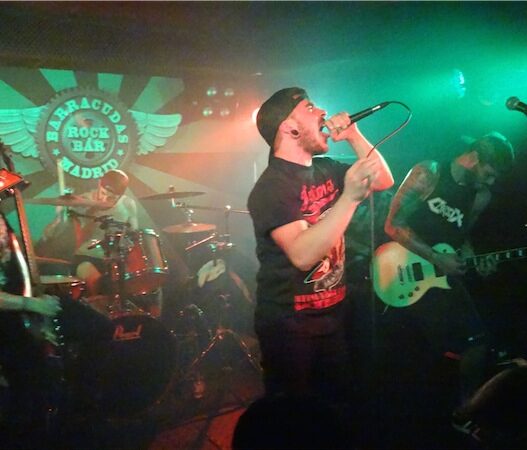
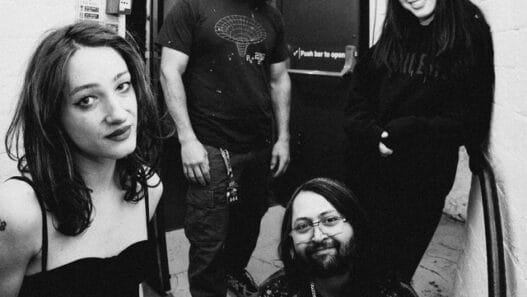
Ataxia F abrió la velada en Sala Nazca con un set contundente marcado por la energía directa y la agresividad característica del death metal. Procedentes de Briones (La Rioja), la banda lleva activa desde principios de los 2000 y sigue fiel a un enfoque de death metal clásico, con temas temáticos que giran alrededor de la violencia, la lucha interna y elementos gore típicos del género.
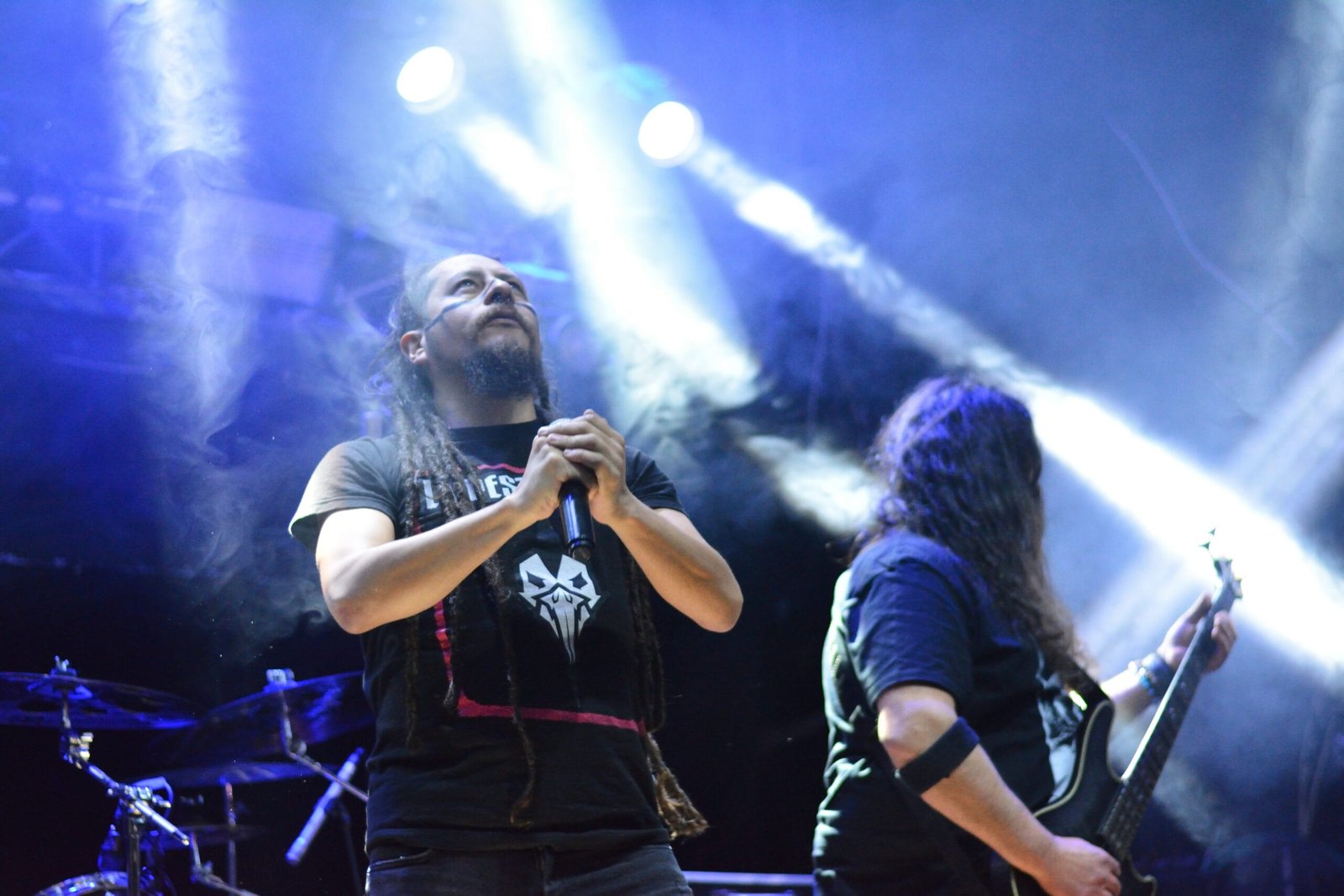
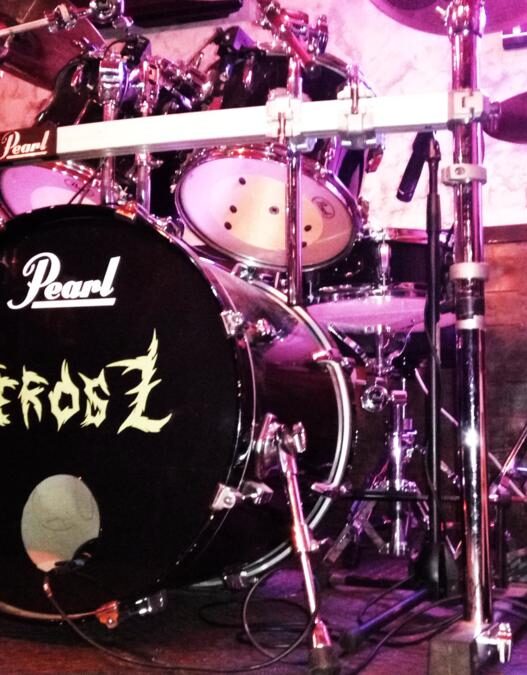
El concierto arrancó con un problema técnico en la batería, una incidencia habitual en contextos de gira pero que la banda solventó con rapidez y sobriedad, sin interferir en el desarrollo de su actuación. Este tipo de profesionalidad sobre el escenario marcó el tono de su presentación, donde la ejecución instrumental, la precisión rítmica y la cohesión de la formación fueron evidentes.
El setlist fue una selección amplia de su repertorio, con temas como “Vejación”, “Pensamiento”, “Carne cruda” e “Infectado” que cimentaron un comienzo sólido y sin concesiones. Canciones como “Soledad” y “Deformación” evidenciaron la capacidad de la banda para alternar tempos y densidades sin perder el pulso ni la contundencia. El cierre con “Sala” y “Merienda Haníbal” subrayó su compromiso con un público que aún iba despertando frente al escenario.
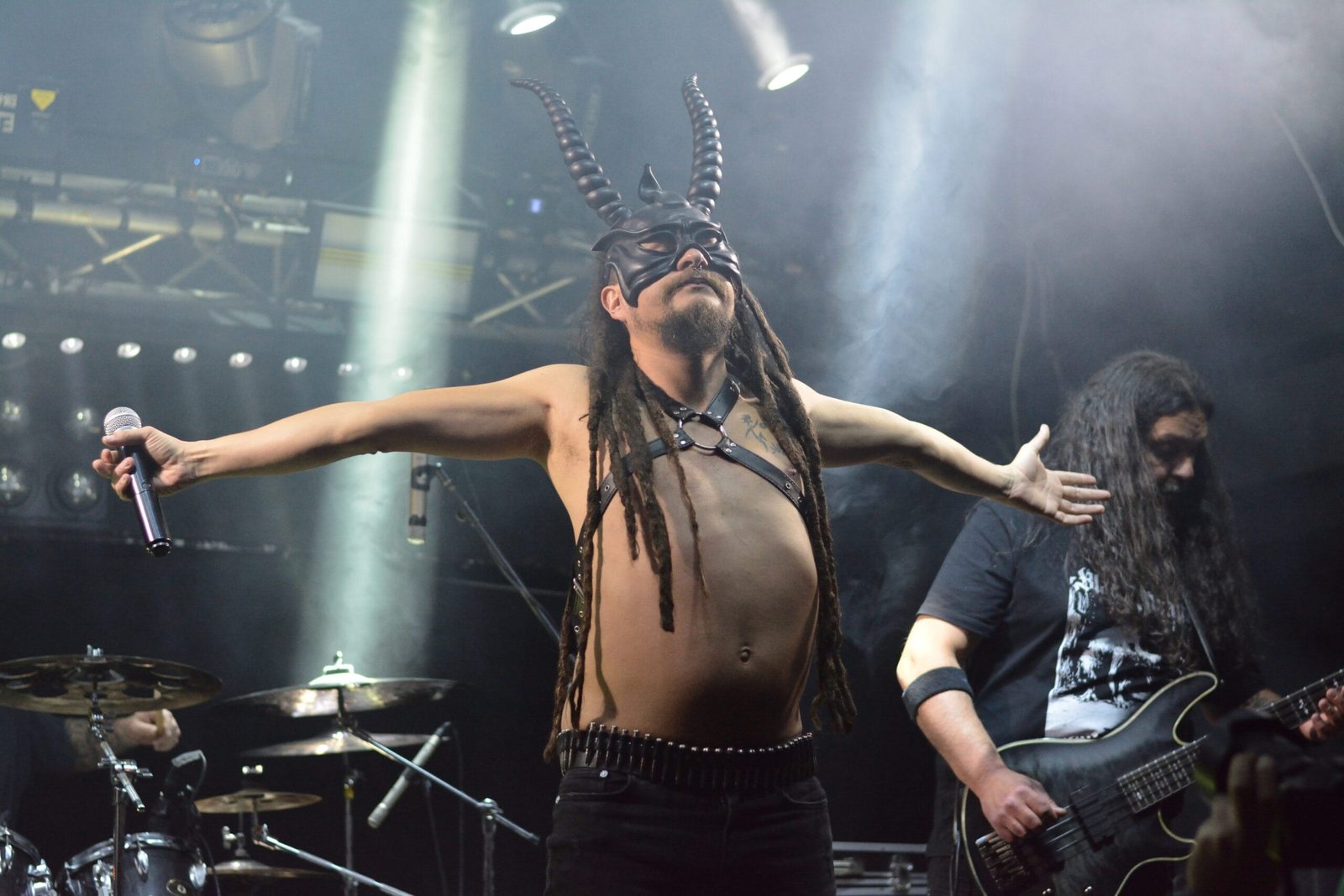
La actuación de Ataxia F fue técnicamente competente y mostró un desarrollo coherente de materiales añejos y actuales, con una ejecución conjunta que no se vio afectada por el contratiempo inicial con la batería. A nivel interpretativo, la banda demostró que su propuesta de death metal directo tiene energía y oficio suficientes como para sostenerse en una gira de este tipo, y su presencia en Madrid reafirmó la relevancia de proyectos como este dentro del circuito nacional de metal extremo.
Sacra – Death/Black melódico con oficio instrumental
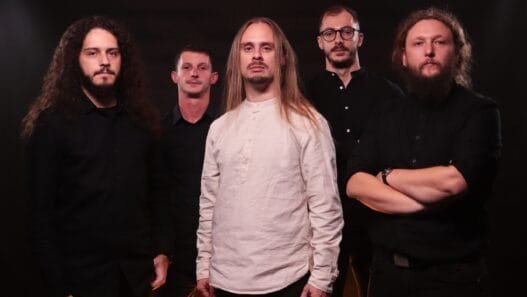
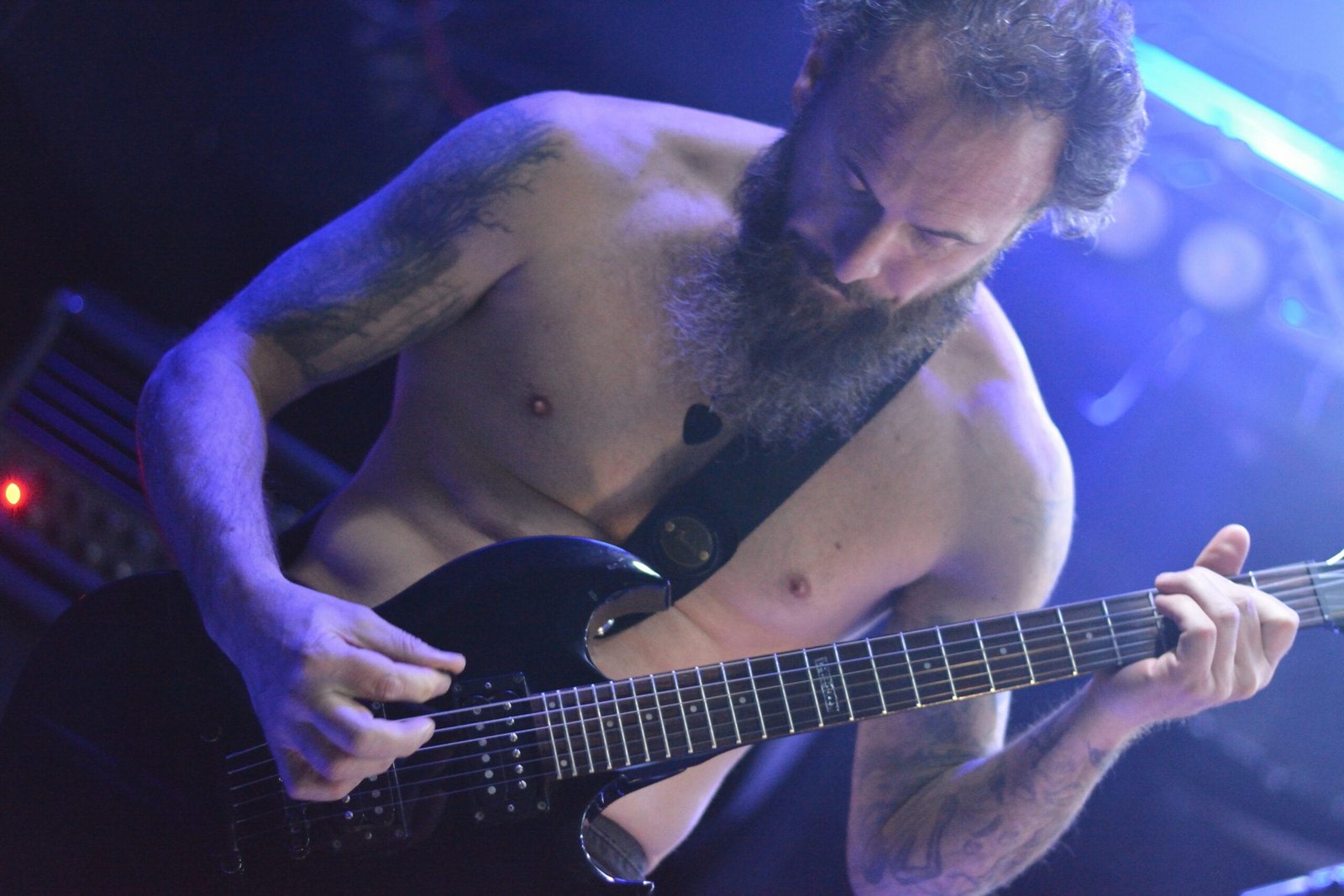
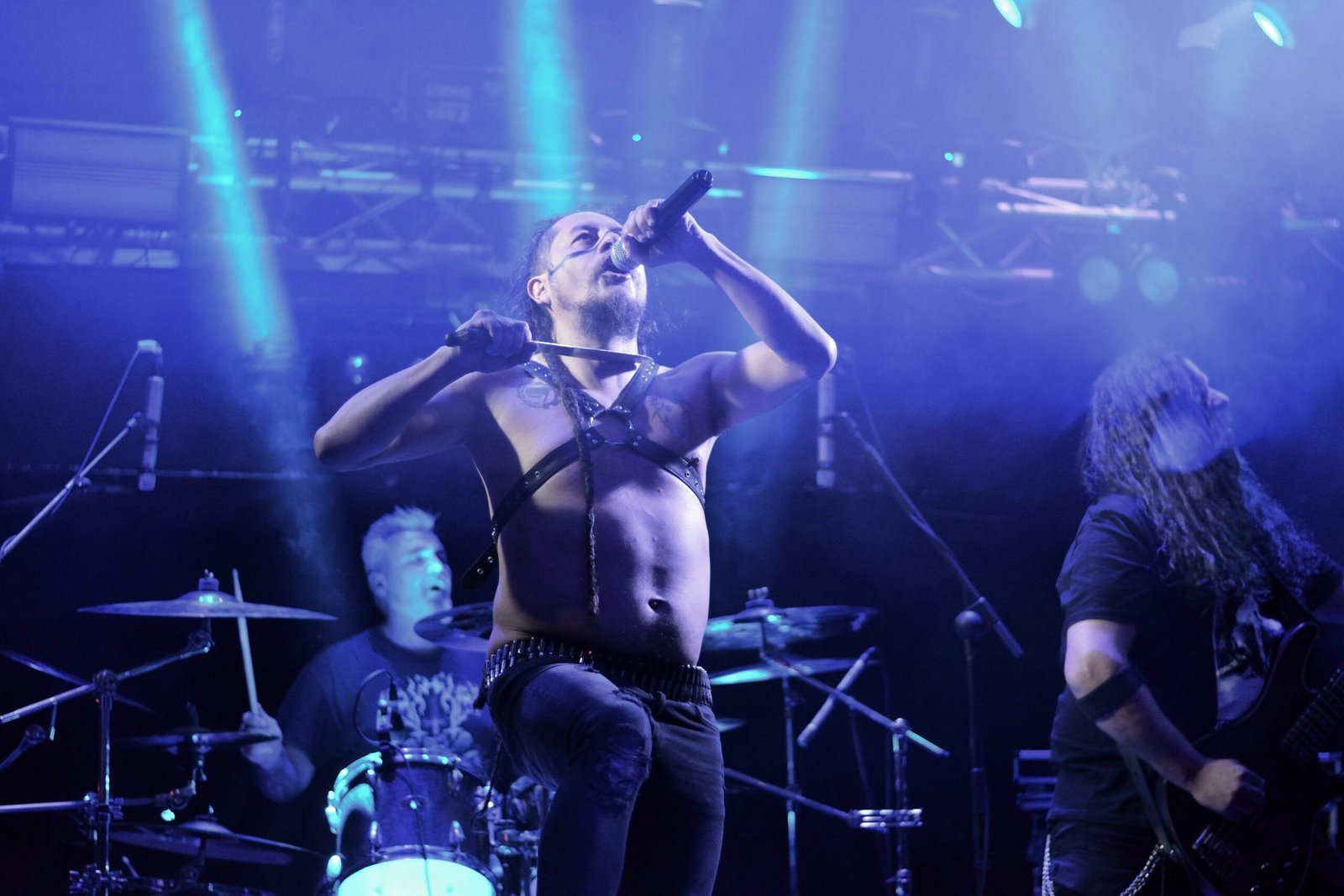
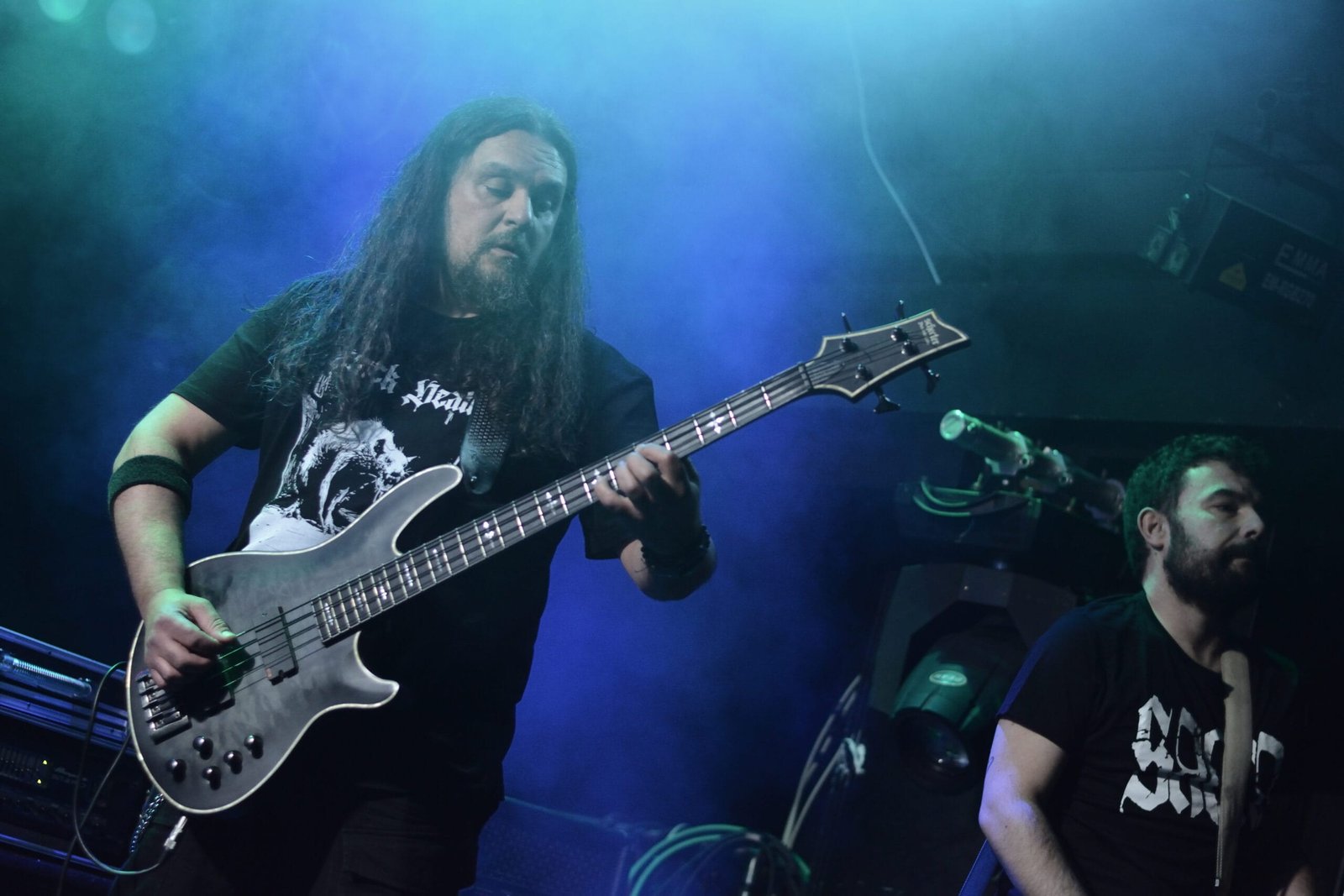
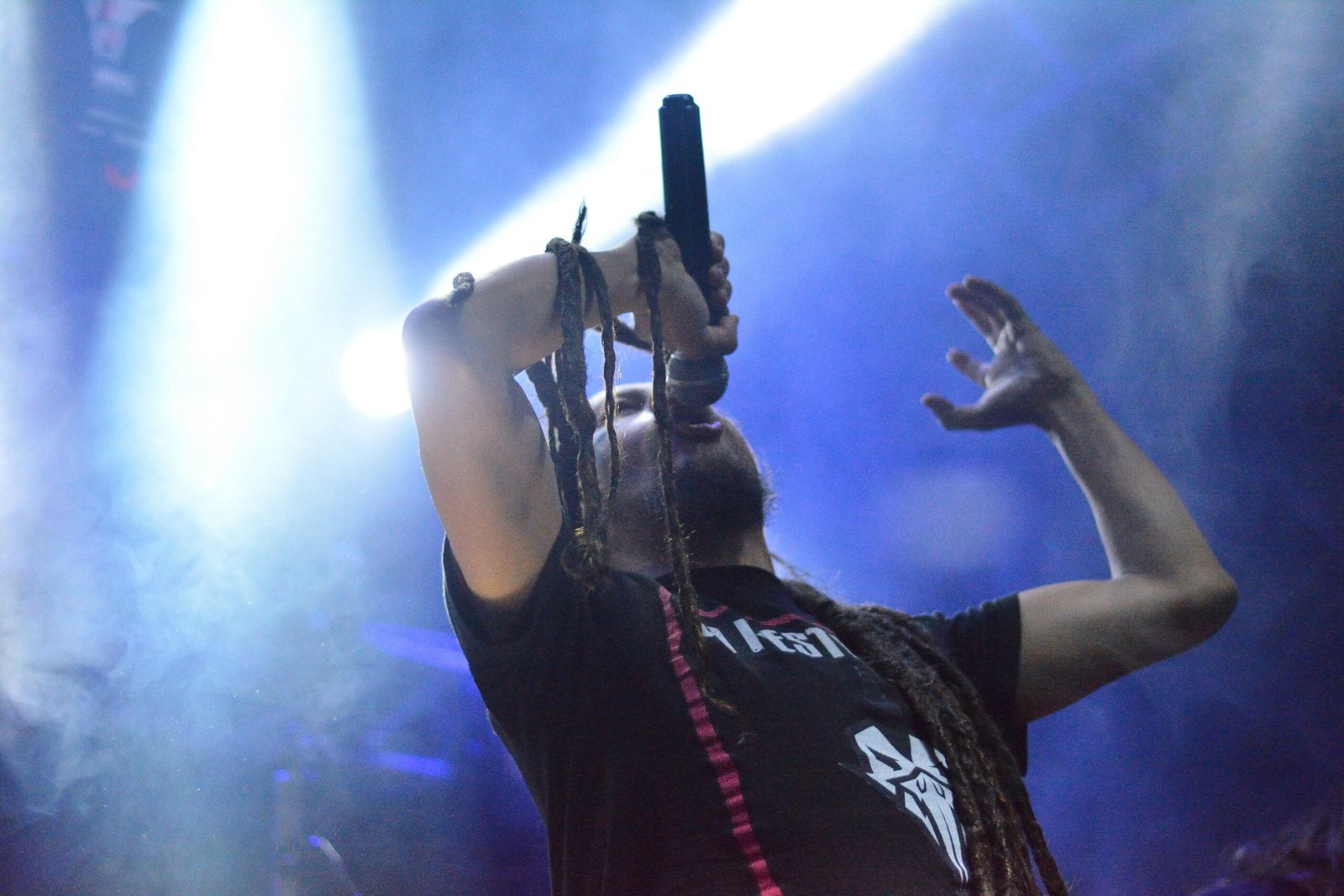
A continuación subió al escenario Sacra, banda originaria de Logroño (La Rioja) formada en 2020 con un enfoque que combina elementos de melodic death metal y black metal. Su actuación destacó por una ejecución técnica refinada y un sentido claro de dirección musical, algo especialmente apreciable en la guitarrería.
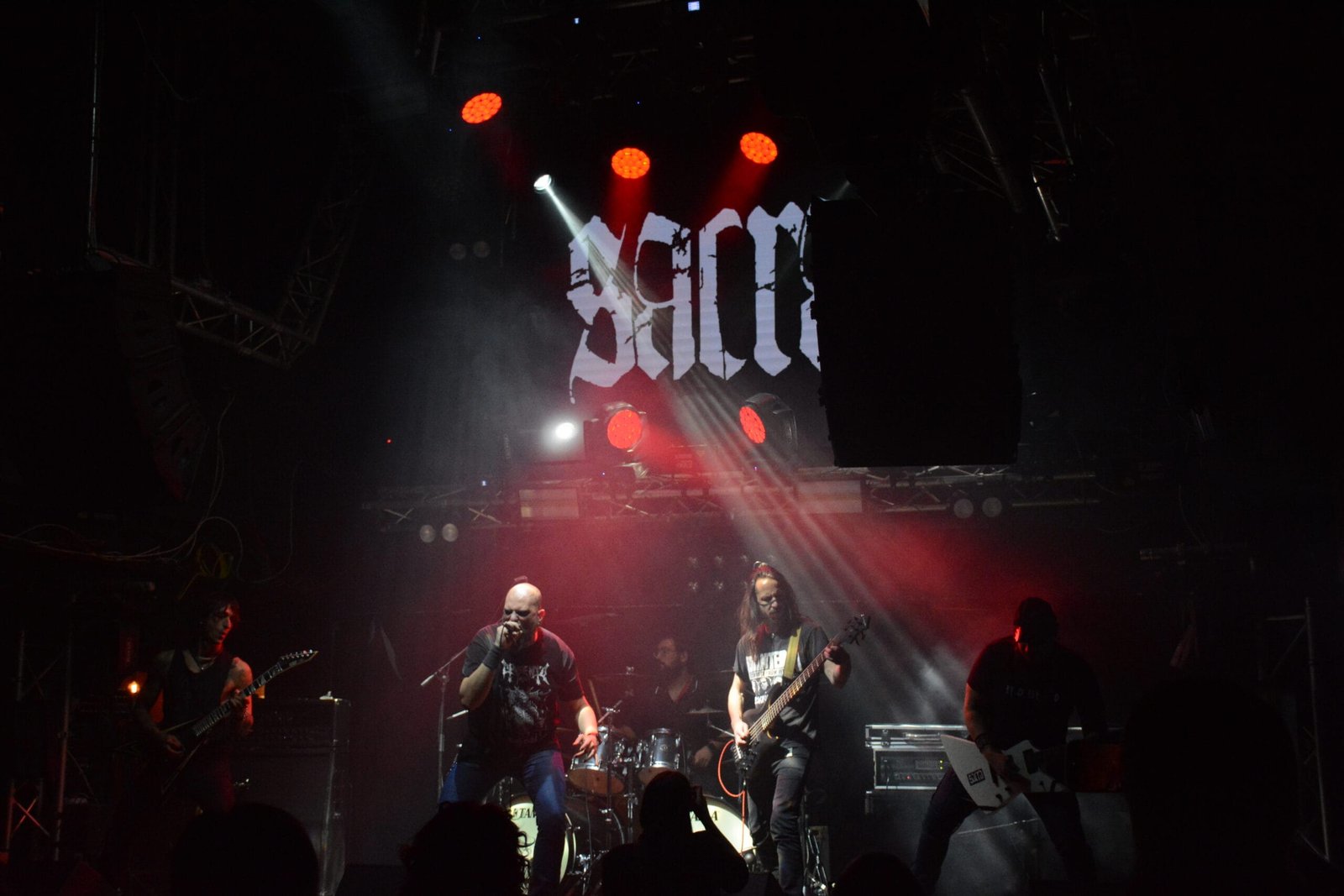
El setlist de Sacra incluyó temas como “Olga II”, “Oblivion”, “Darkness” y “Prometheus”, seleccionados para construir una narrativa sonora que alterna intensidad rítmica con patrones melódicos más elaborados. El guitarrista principal de Sacra fue un punto de atención constante: su dominio sobre la instrumentación, el fraseo preciso y la capacidad para alternar riffs agresivos con pasajes de tensión sostenida aportaron una dimensión adicional al show que no siempre es fácil de encontrar en agrupaciones emergentes. Este virtuosismo añadió peso a un set que, en otros aspectos, ya tenía un fundamento sólido.
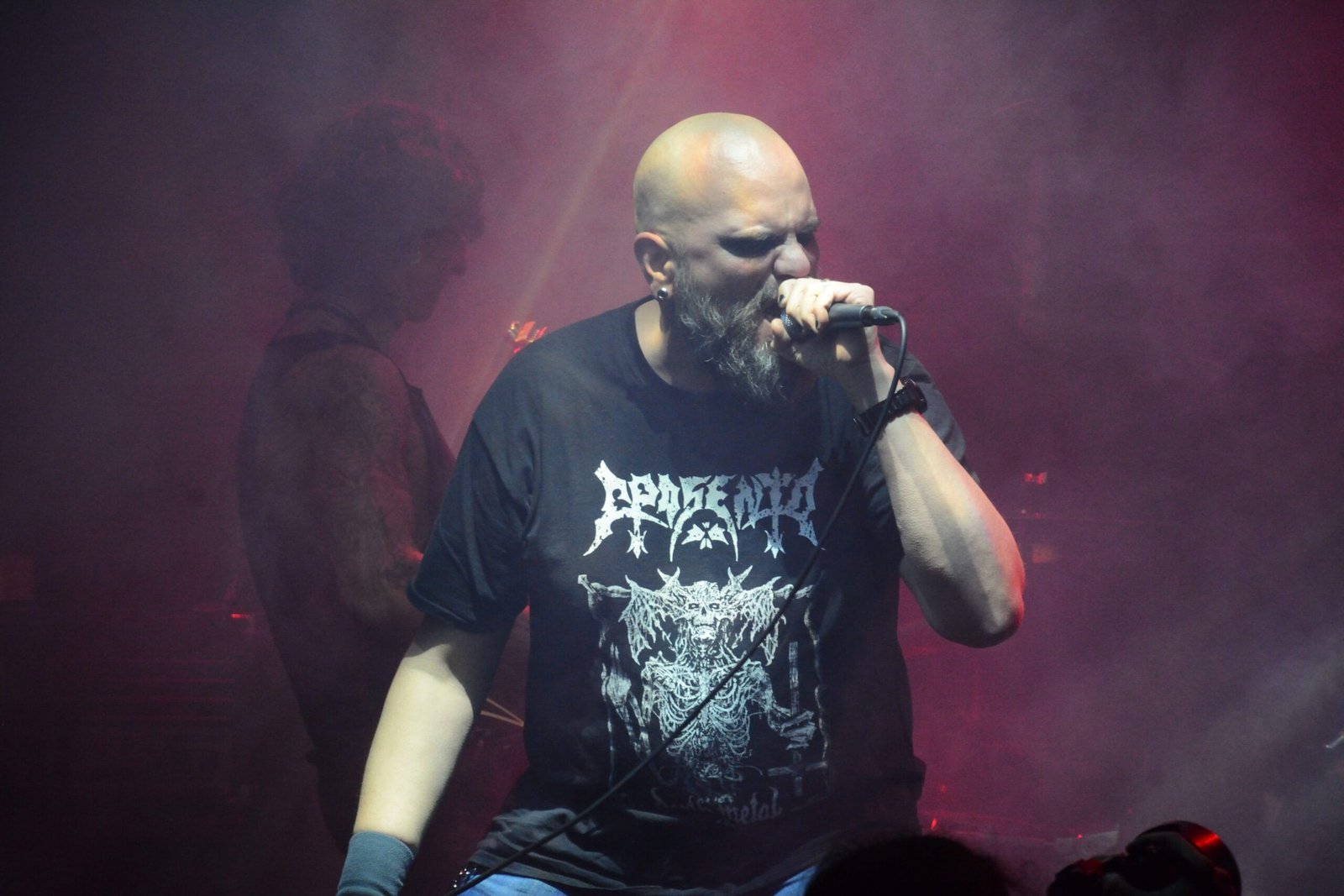
El uso de estructuras que combinaban agresividad con una dimensión melódica no solo evidenció la versatilidad de Sacra, sino también su compromiso con un enfoque técnico que no sacrifica contundencia por complejidad. Temas como “Golden Bones” cerraron la actuación con un impacto sostenido, logrando una respuesta más marcada del público que en el turno anterior, posiblemente debido a una conjunción eficaz de intensidad y técnica instrumental.
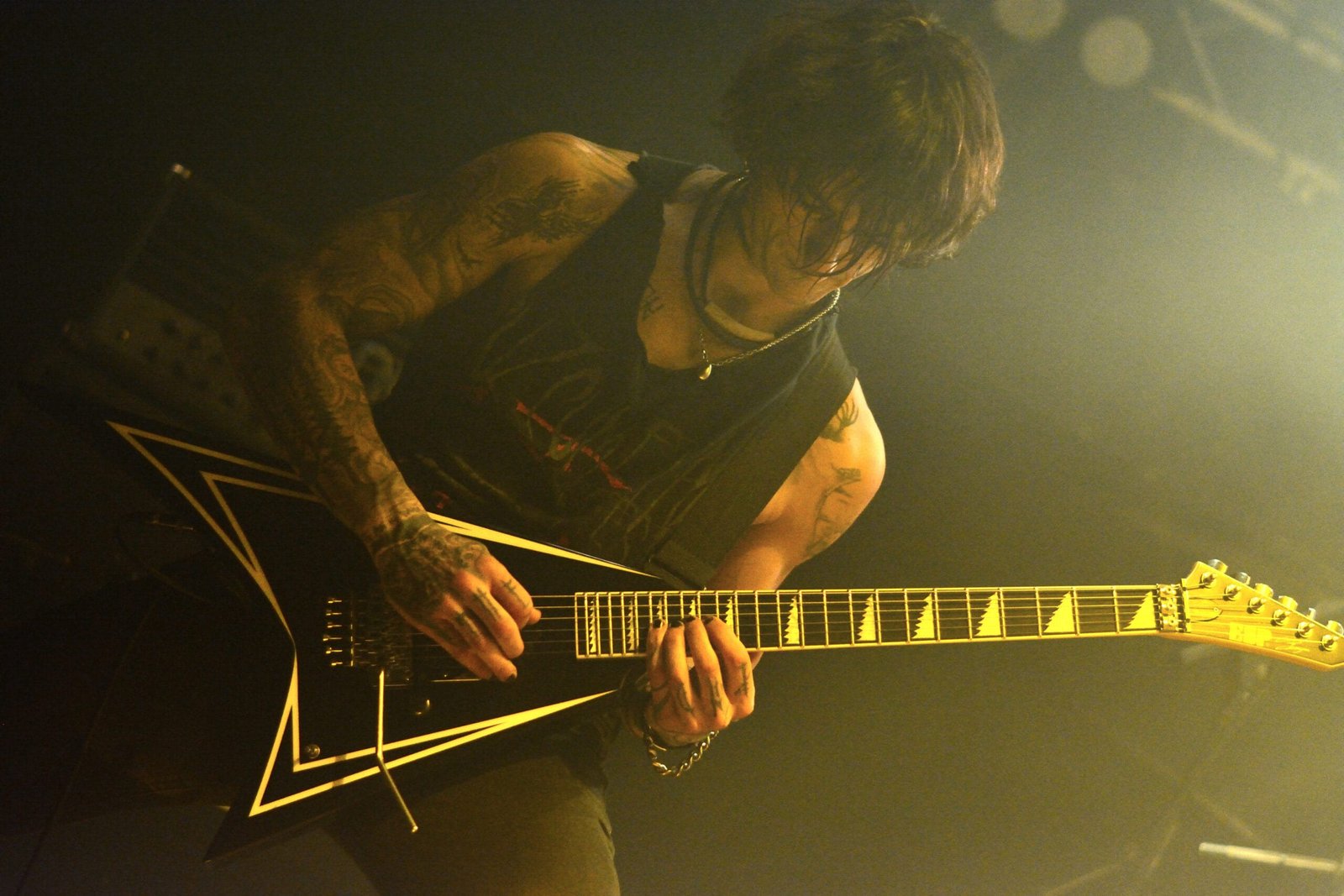
La actuación de Sacra confirmó que la escena nacional está produciendo propuestas de alto nivel en el ámbito del metal extremo, capaces de sostenerse junto a una leyenda europea sin desentonar. Su trabajo instrumental —especialmente el aporte del guitarrista principal— fue uno de los elementos más sólidos de la noche antes del set de cierre.
Legion of the Damned – La legión neerlandesa en Madrid
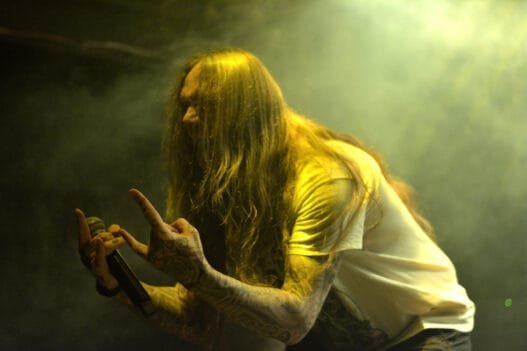
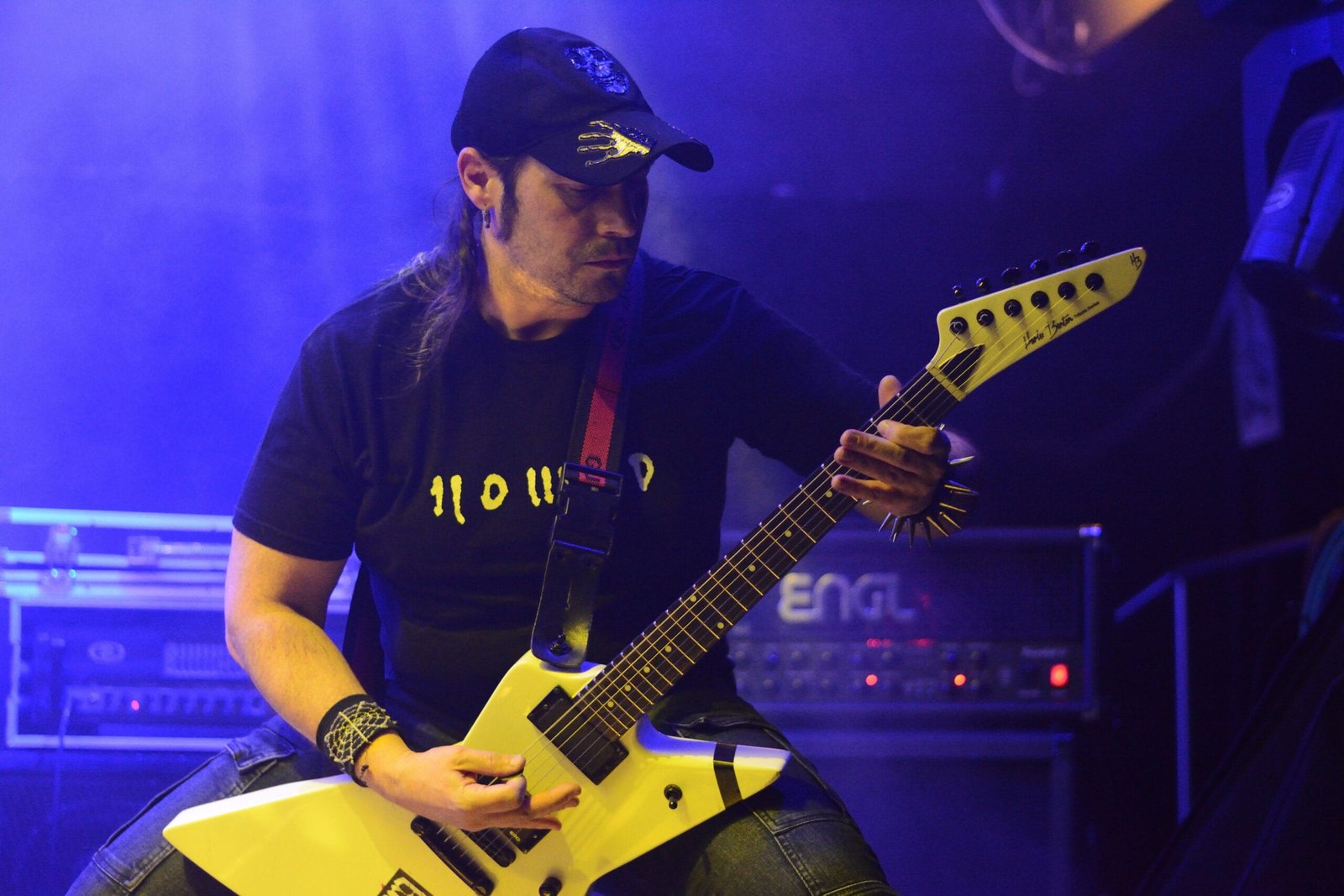
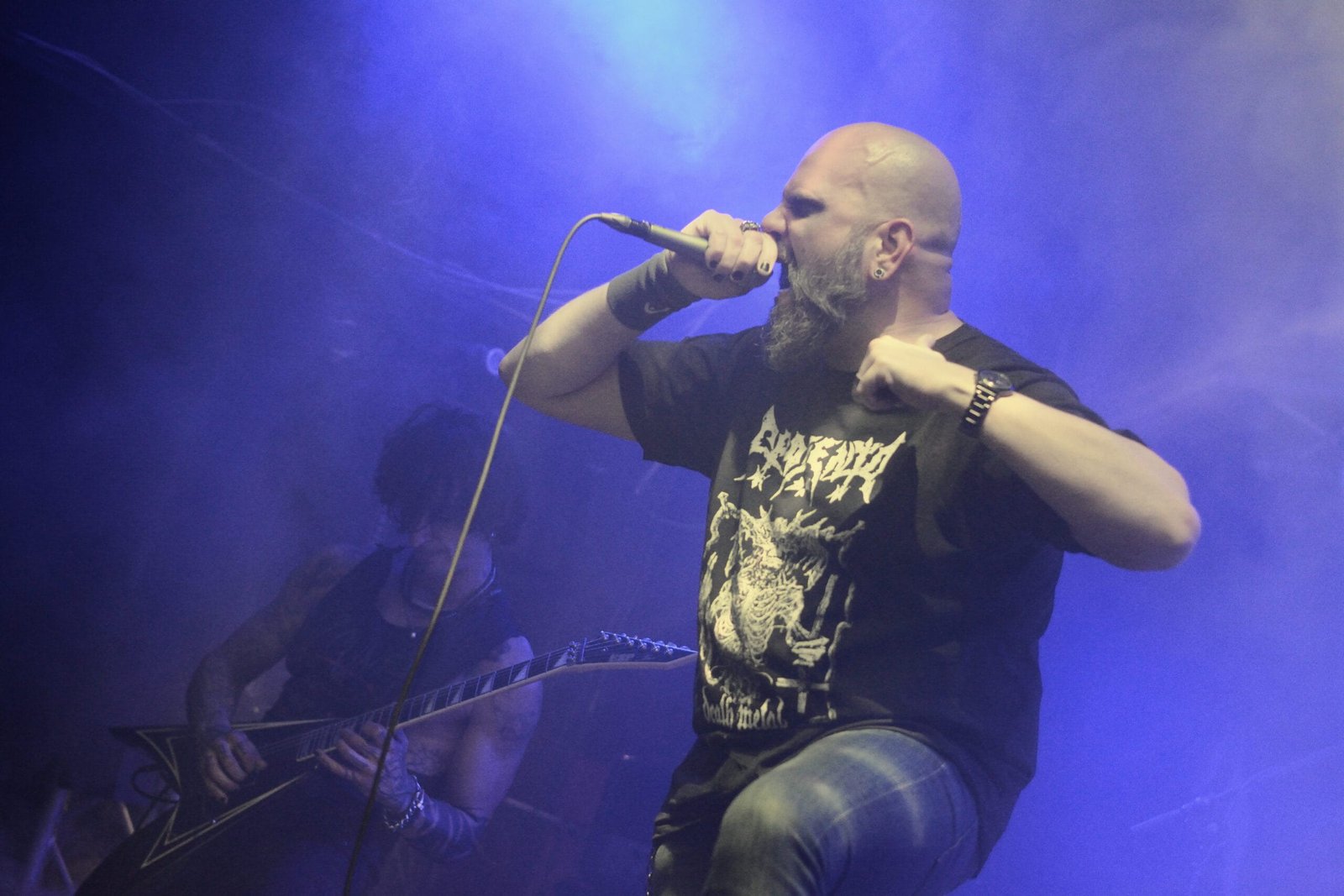
Como cabeza de cartel, Legion of the Damned, banda neerlandesa consolidada dentro del metal extremo desde sus orígenes como Occult en 1992 y rebautizada en 2006, tomó el escenario con una propuesta que fusiona thrash metal con death metal en un formato directo, oscuro y con precisión militar.
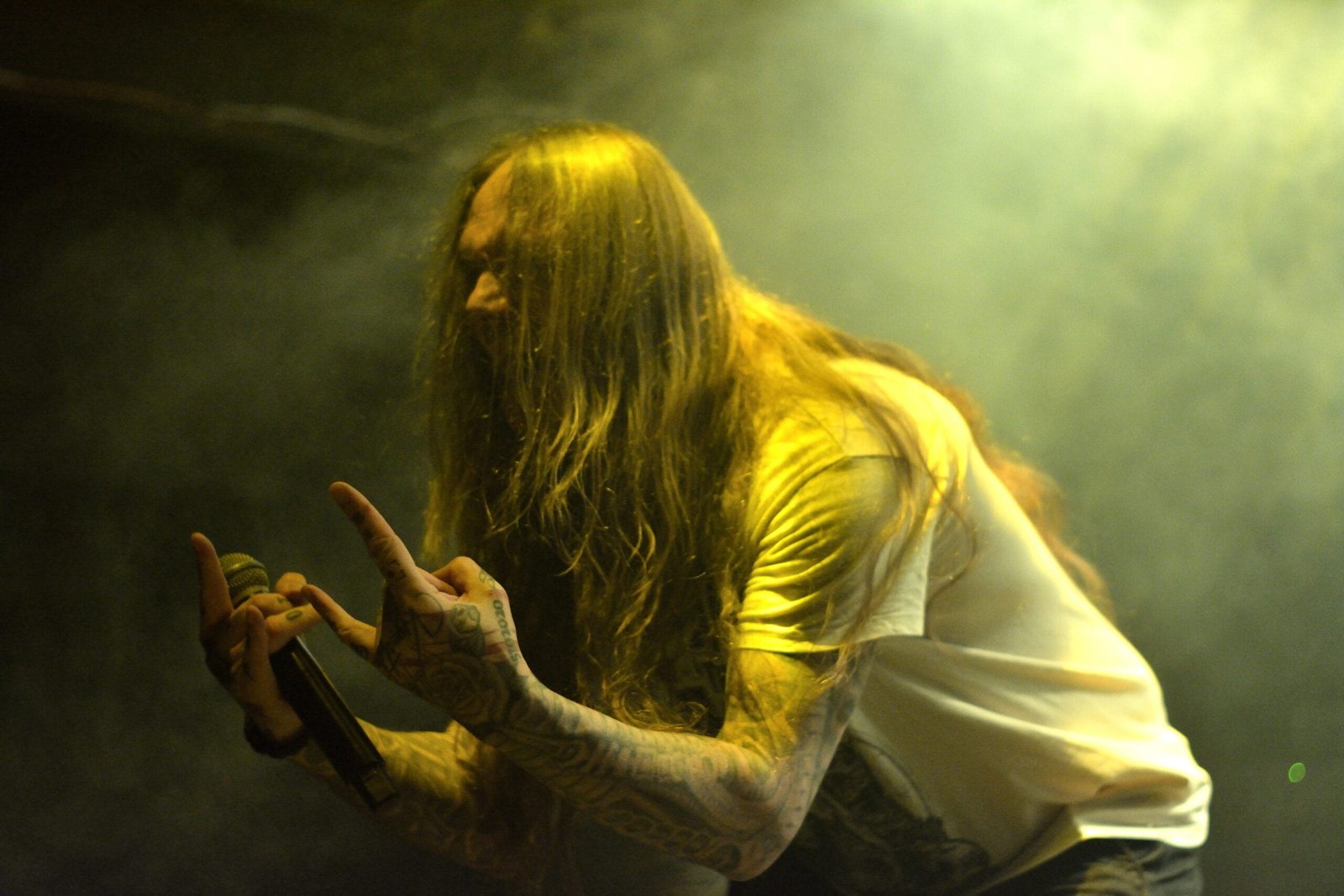
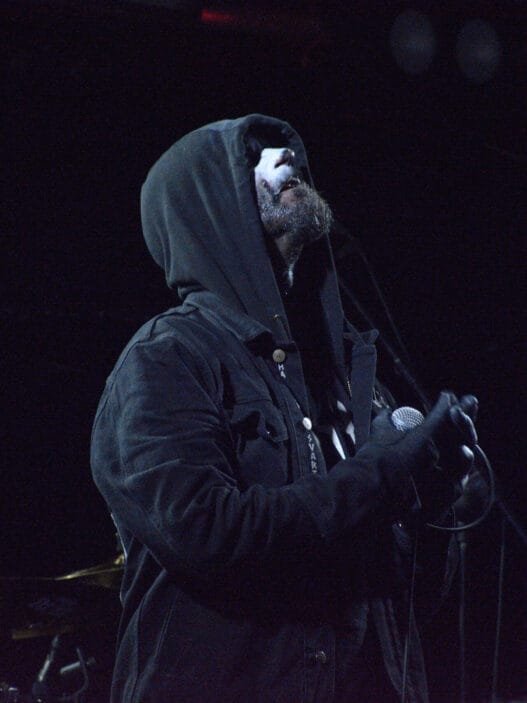
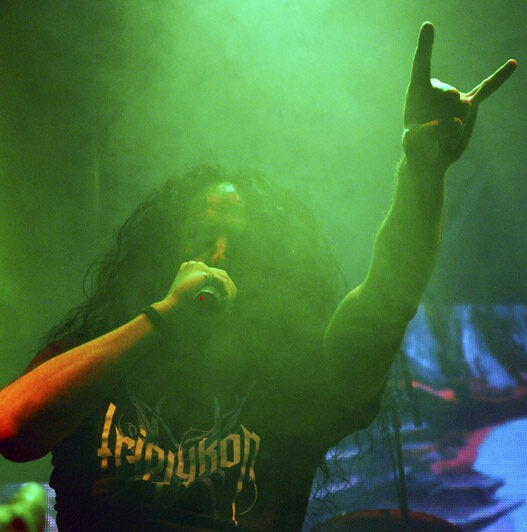
Con Maurice Swinkels al frente en la voz, acompañado por Ruud Strijbosch y Fabian Verweij en guitarras, Harold Gielen en bajo y Erik Fleuren en batería, la banda desplegó un setlist que representó lo más representativo de su trayectoria, desde clásicos hasta piezas de registros más recientes de su discografía.
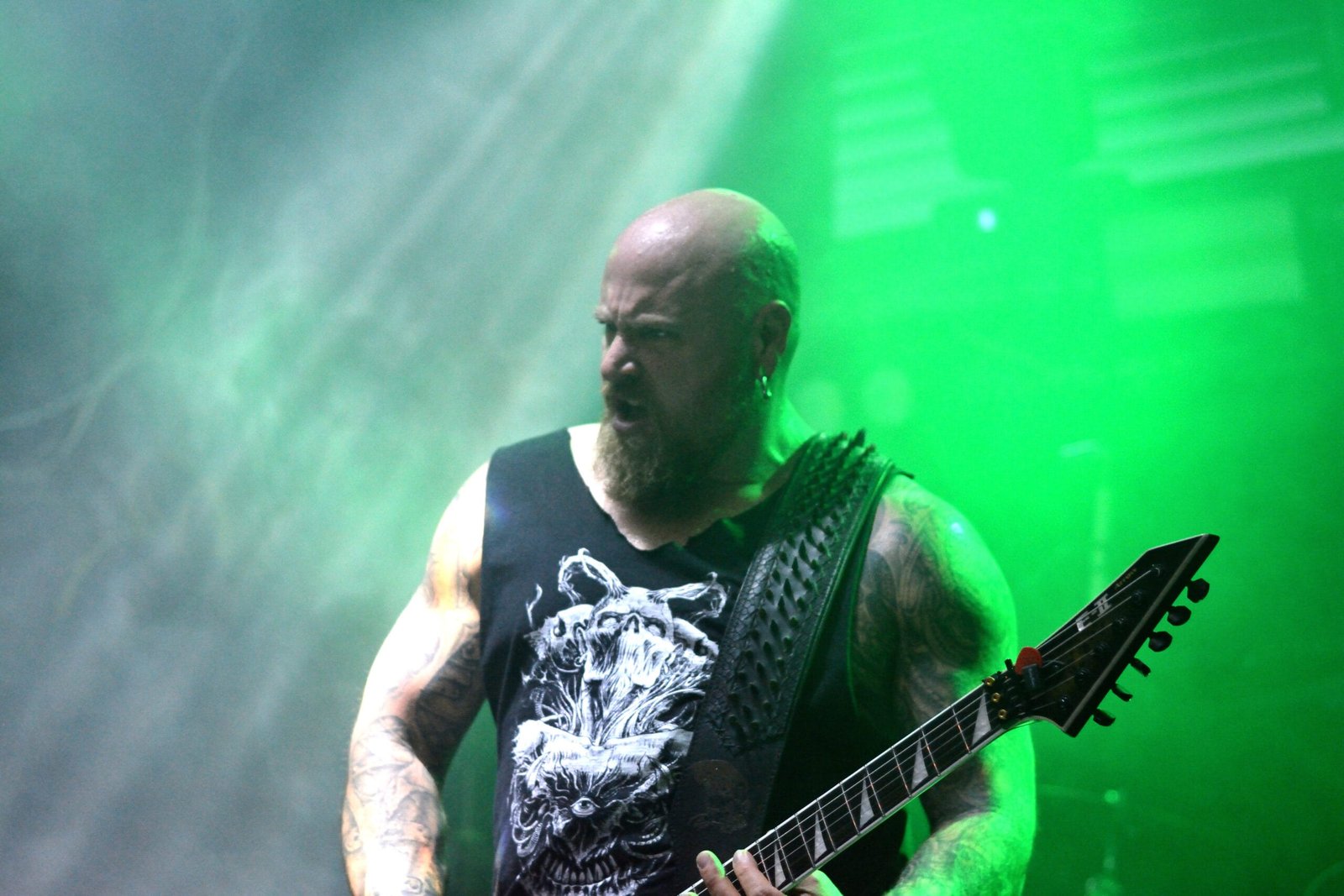
El concierto de Legion of the Damned fue un ejercicio de contundencia sostenida. El quinteto mostró un sentido del directo que no dependió de artificios sino de la ejecución en tiempo real: riffs rápidos, baterías que empujaban con precisión implacable y una cohesión instrumental que raramente decae en giras de este nivel. La apertura con la homónima “Legion of the Damned” sentó las bases de un show que combinó agresividad y claridad, apuntalando temas posteriores como “Death’s Head March”, “Slaughtering the Pigs” y “Beheading of the Godhead”.
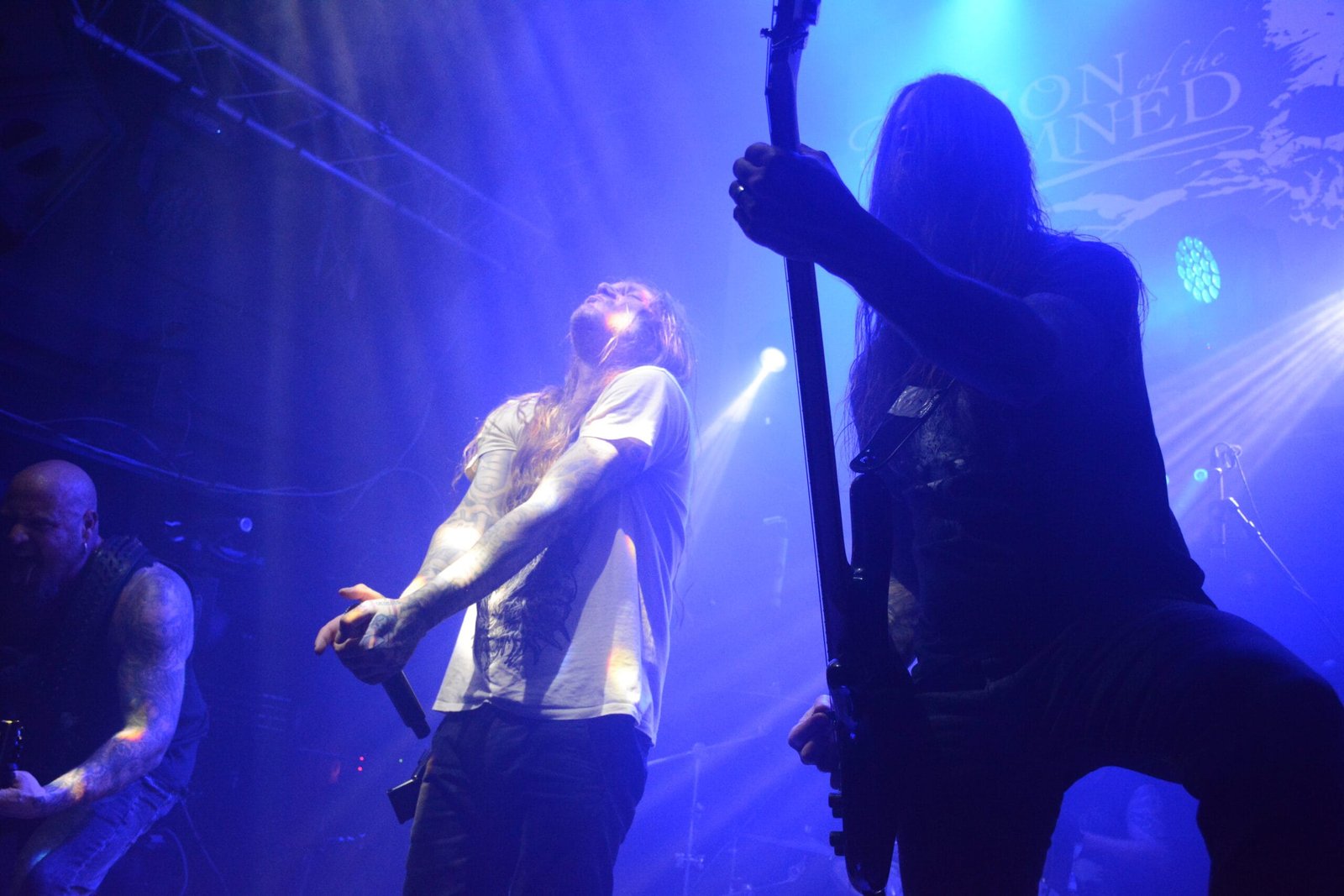
Cada tema fue interpretado con un enfoque rígido y profesional, con “Diabolist” y “Progressive Destructor” reforzando el equilibrio entre thrash y death metal en un repertorio que no dejó márgenes para la complacencia sonora. El plano técnico del grupo fue consistente: estructuras complejas, cambios de tempo bien articulados y una entrega que mantuvo la energía constante hasta el cierre con “Son of the Jackal”.
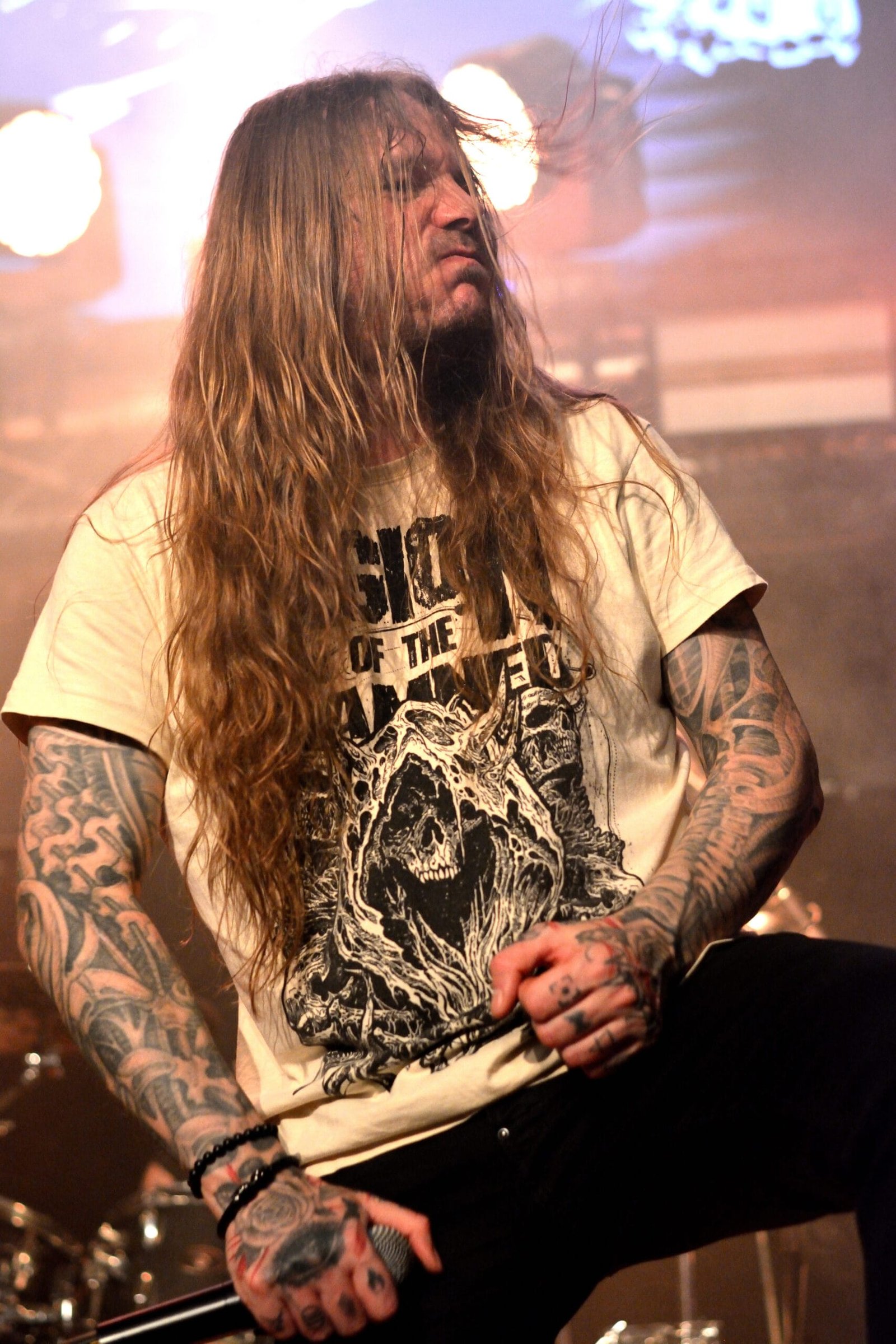
Legion of the Damned no solo ejecutó su repertorio con oficio, sino que confirmó por qué su trayectoria en el metal extremo europeo es respetada y sostenida. La elección de canciones, enfocada en piezas reconocibles y potentes, funcionó como un resumen representativo de una carrera que ha mantenido una identidad sonora firme y libre de concesiones estilísticas innecesarias.
La noche en Sala Nazca fue una muestra de metal extremo con tres propuestas cohesionadas y de alto nivel técnico. Sin embargo, la impresión global quedó marcada por una paradoja evidente: actuaciones profesionales, alineaciones sólidas y un cartel internacional relevante no lograron traducirse en asistencia proporcional. Esto refleja un desafío crítico para la escena underground: sin un respaldo tangible del público —especialmente en formatos de salas pequeñas— la continuidad de eventos de esta envergadura se complica.
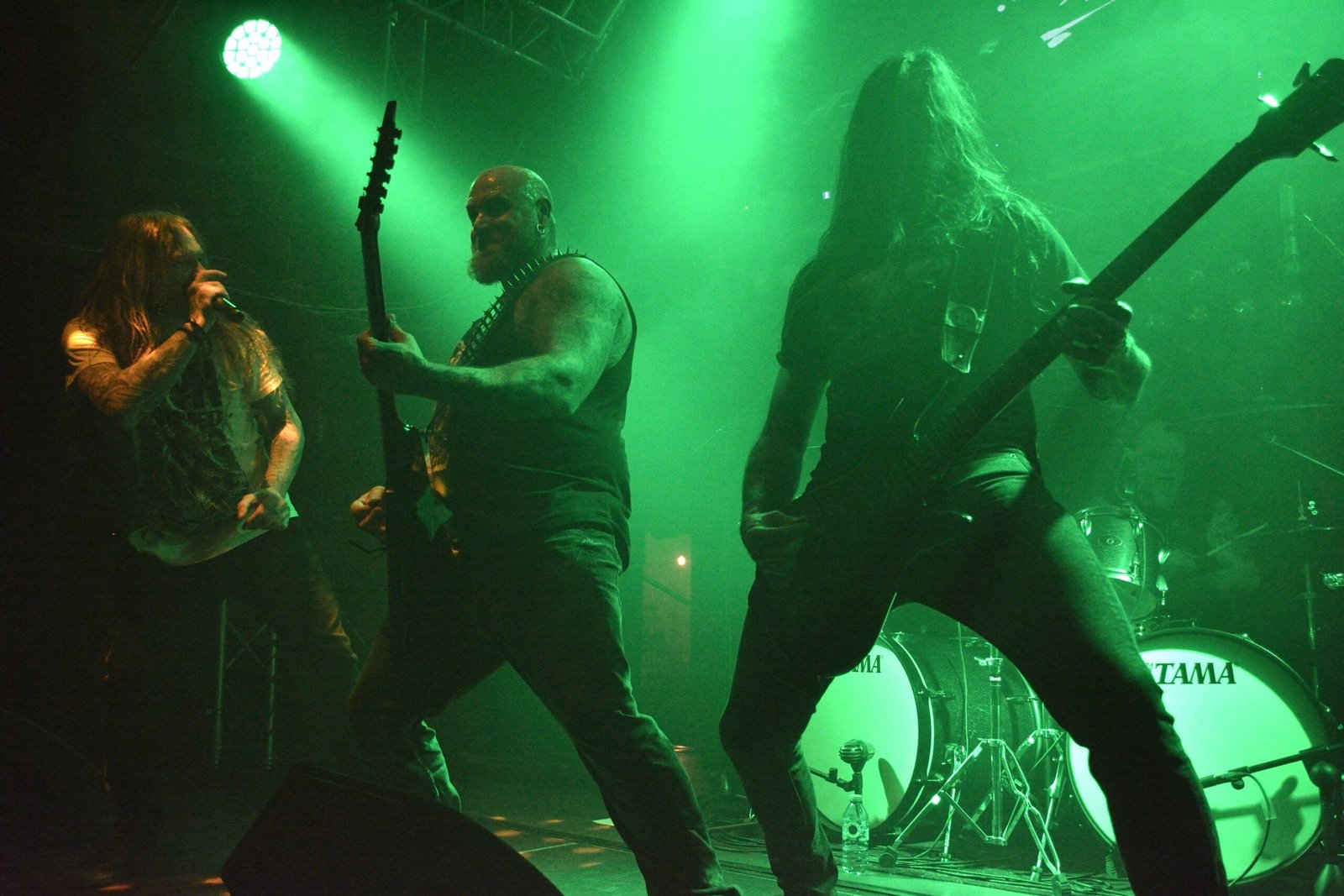
Es esencial que la comunidad metalera reconozca que el apoyo a giras de bandas consolidadas con acompañamiento de formaciones nacionales no solo enriquece la oferta cultural, sino que mantiene viva la escena local y permite que promotoras como Manguales sigan programando y arriesgando. Conciertos como este no son solamente shows, sino piezas necesarias de un ecosistema que necesita tanto audiencia como talento.
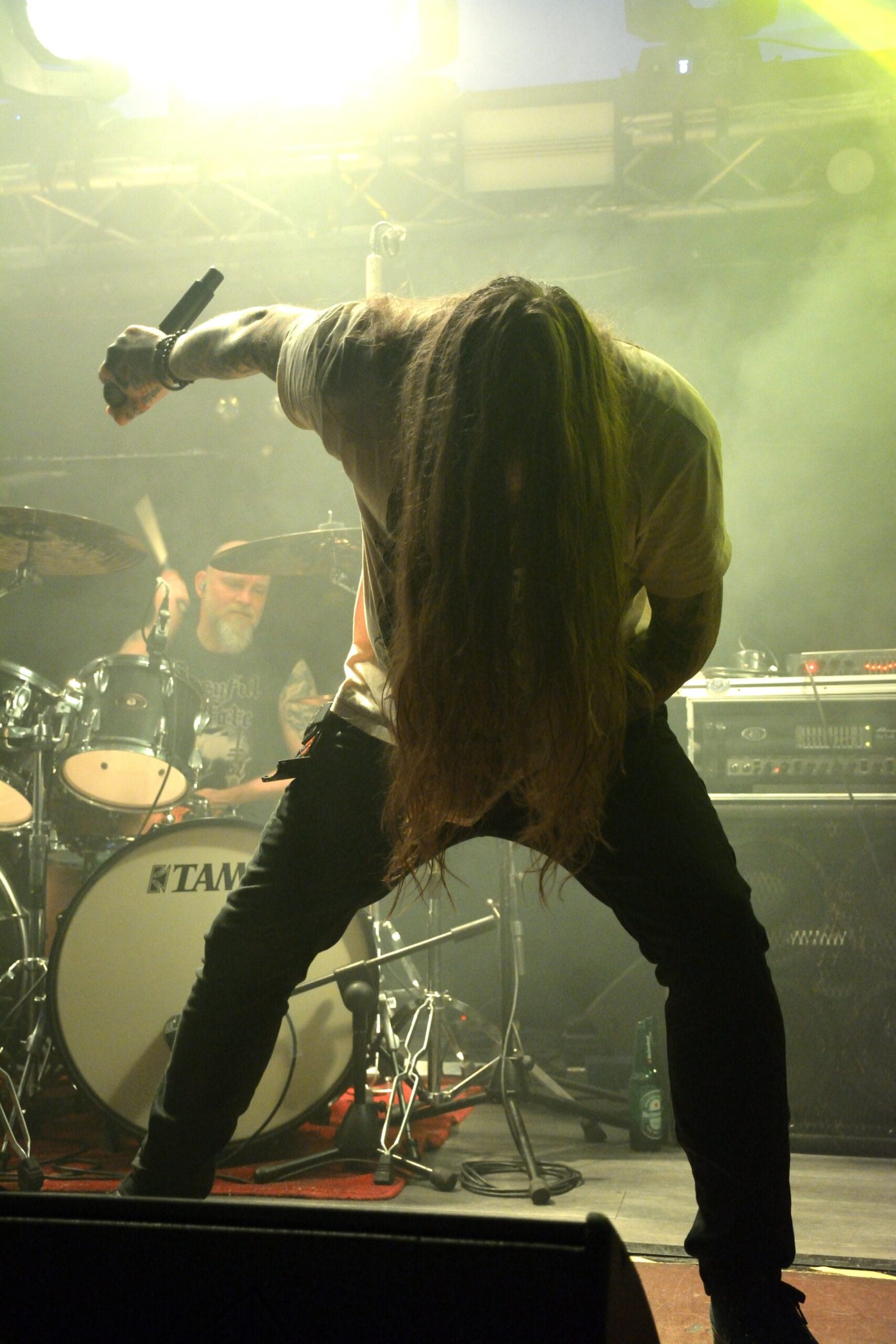
En términos estrictamente musicales, Ataxia F, Sacra y Legion of the Damned cumplieron con creces: cada grupo aportó un escalón dentro del espectro del metal extremo, desde el death más bruto hasta el thrash/death técnico y experimentado. La cohesión, la ejecución y la respuesta profesional sobre el escenario fueron factores que justifican, más allá de la crítica al comportamiento del público, una valoración positiva del evento en su conjunto.
The night of January 15, 2026, at Sala Nazca in Madrid was meant to be one of the standout dates of the year for followers of extreme metal. Three bands representing different tiers of the scene—Ataxia F, Sacra, and the historic Legion of the Damned—were scheduled to deliver a continuous showcase of death, black, and thrash metal. The concerts began punctually, with Legion of the Damned even taking the stage slightly earlier than announced, a gesture of technical professionalism that contrasted with the audience response.
A reflection on the audience and the underground scene
Before addressing the evaluation of the sets, it is essential to highlight an aspect that defined the evening: the low attendance. For a band with more than two decades of history in European extreme metal such as Legion of the Damned, and two nationally significant acts like Ataxia F and Sacra, the turnout was disappointing. This phenomenon is not isolated and reflects a broader structural problem within the underground metal scene: the lack of sustained support from a segment of the audience that prioritizes large festivals or established names while ignoring smaller tours and emerging projects.
Promoters such as Manguales, responsible for this tour, assume significant financial and logistical risks to bring top-tier European bands and to book international acts alongside national groups with solid and consistent proposals. That a venue like Nazca failed to reach even half capacity raises a critical question: without an audience supporting dates of this caliber, the viability of future similar tours is drastically reduced. As a community, it is necessary to prioritize attendance at events that sustain the local scene and small concert circuits; otherwise, we risk seeing these opportunities gradually disappear.
Ataxia F – Death metal from La Rioja: professionalism in the face of adversity
Ataxia F opened the evening at Sala Nazca with a forceful set marked by direct energy and the aggression characteristic of death metal. Hailing from Briones (La Rioja), the band has been active since the early 2000s and remains faithful to a classic death metal approach, with lyrical themes revolving around violence, inner struggle, and genre-typical gore elements.
The concert began with a technical issue involving the drums, a common occurrence in touring contexts, but one that the band resolved quickly and calmly without interfering with the development of their performance. This level of professionalism on stage set the tone for their presentation, in which instrumental execution, rhythmic precision, and band cohesion were evident.
The setlist featured a broad selection from their repertoire, with songs such as “Vejación”, “Pensamiento”, “Carne cruda”, and “Infectado” laying down a solid and uncompromising start. Tracks like “Soledad” and “Deformación” showcased the band’s ability to alternate tempos and densities without losing momentum or impact. The closing numbers, “Sala” and “Merienda Caníbal”, underlined their commitment to an audience that was still warming up in front of the stage.
Ataxia F’s performance was technically competent and demonstrated a coherent development of both older and more recent material, with a collective execution unaffected by the initial drum setback. Interpretively, the band proved that their direct death metal proposal has enough energy and craftsmanship to hold its own on a tour of this nature, and their appearance in Madrid reaffirmed the relevance of projects like this within the national extreme metal circuit.
Sacra – Melodic death/black metal with instrumental skill
Sacra took the stage next, a band from Logroño (La Rioja) formed in 2020 with an approach that combines elements of melodic death metal and black metal. Their performance stood out for refined technical execution and a clear sense of musical direction, particularly evident in the guitar work.
Sacra’s setlist included tracks such as “Olga II”, “Oblivion”, “Darkness”, and “Prometheus”, selected to build a sonic narrative that alternates rhythmic intensity with more elaborate melodic patterns. The band’s lead guitarist was a constant focal point: his command of the instrument, precise phrasing, and ability to alternate aggressive riffs with sustained tension passages added an extra dimension to the show that is not always found in emerging bands. This virtuosity added weight to a set that was already solid in its foundations.
The use of structures combining aggression with a melodic dimension not only highlighted Sacra’s versatility, but also their commitment to a technical approach that does not sacrifice impact for complexity. Songs like “Golden Bones” closed the performance with sustained intensity, generating a stronger audience response than in the previous set, likely due to an effective combination of force and instrumental technique.
Sacra’s performance confirmed that the national scene is producing high-level proposals within extreme metal, capable of standing alongside a European legend without sounding out of place. Their instrumental work—especially the contribution of the lead guitarist—was one of the strongest elements of the night prior to the headlining set.
Legion of the Damned – The Dutch legion in Madrid
As headliners, Legion of the Damned, a Dutch band firmly established within extreme metal since their origins as Occult in 1992 and renamed in 2006, took the stage with a proposal that fuses thrash metal and death metal in a direct, dark format executed with military precision.
With Maurice Swinkels on vocals, accompanied by Ruud Strijbosch and Fabian Verweij on guitars, Harold Gielen on bass, and Erik Fleuren on drums, the band delivered a setlist that represented the most emblematic elements of their career, ranging from classics to more recent material from their discography.
Legion of the Damned’s concert was an exercise in sustained heaviness. The quintet displayed a live presence that did not rely on gimmicks, but on real-time execution: fast riffs, drums driving forward with relentless precision, and instrumental cohesion that rarely falters on tours of this level. The opening with the self-titled “Legion of the Damned” set the foundation for a show that combined aggression and clarity, reinforcing subsequent tracks such as “Death’s Head March”, “Slaughtering the Pigs”, and “Beheading of the Godhead”.
Each song was performed with a rigid and professional approach, with “Diabolist” and “Progressive Destructor” reinforcing the balance between thrash and death metal within a repertoire that left no room for sonic complacency. The band’s technical execution was consistent: complex structures, well-articulated tempo changes, and a delivery that maintained energy through to the closing track, “Son of the Jackal”.
Legion of the Damned not only executed their repertoire with expertise, but also confirmed why their trajectory within European extreme metal remains respected and enduring. The song selection, focused on recognizable and powerful pieces, functioned as a representative summary of a career that has maintained a firm sonic identity free of unnecessary stylistic concessions.
The night at Sala Nazca showcased extreme metal through three cohesive and technically high-level performances. However, the overall impression was marked by a clear paradox: professional performances, solid lineups, and a relevant international bill failed to translate into proportional attendance. This highlights a critical challenge for the underground scene: without tangible audience support—especially in small-venue formats—the continuity of events of this scale becomes increasingly difficult.
It is essential for the metal community to recognize that supporting tours by established bands accompanied by national acts not only enriches the cultural offering, but also keeps the local scene alive and allows promoters such as Manguales to continue programming and taking risks. Concerts like this are not merely shows, but necessary components of an ecosystem that requires both audience and talent.
From a strictly musical standpoint, Ataxia F, Sacra, and Legion of the Damned more than delivered: each band contributed a distinct tier within the spectrum of extreme metal, ranging from raw death metal to experienced and technical thrash/death. Cohesion, execution, and professional on-stage performance were factors that justify—beyond criticism of audience behavior—a positive overall assessment of the event.