

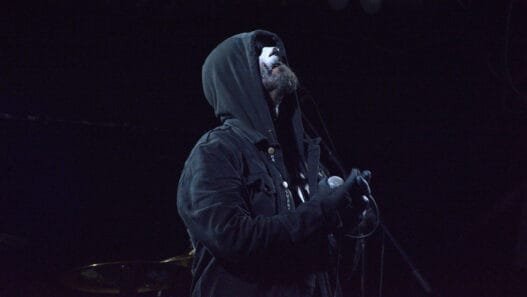


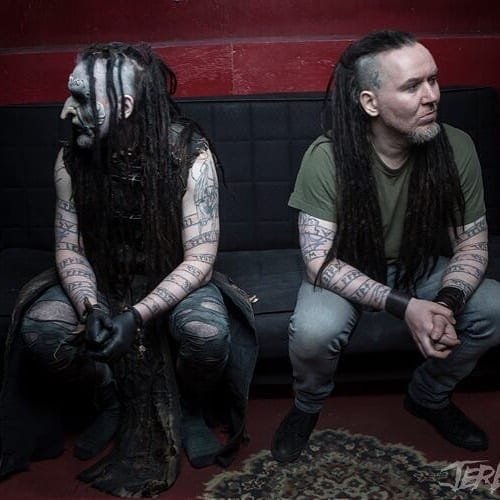
Hablar de Mortiis (Håvard Ellefsen) es adentrarse en uno de los experimentos de identidad más fascinantes de la música contemporánea. Para mí, Mortiis representa el rechazo absoluto al estancamiento. Tras su salida de Emperor en 1993, donde escribió parte de la historia del Black Metal, decidió que las paredes de la realidad eran demasiado estrechas. Se puso una máscara, se retiró a su propio mundo y, durante tres décadas, ha destruido y reconstruido su sonido.
El reino del Dungeon Synth (1993 – 1999)
En esta etapa, considero que Mortiis no solo hacía música, sino que estaba construyendo una mitología. Es la era de los sintetizadores monofónicos, las atmósferas de castillos olvidados y el nacimiento de un género que hoy conocemos como Dungeon Synth.
«Født til å herske» (1993)
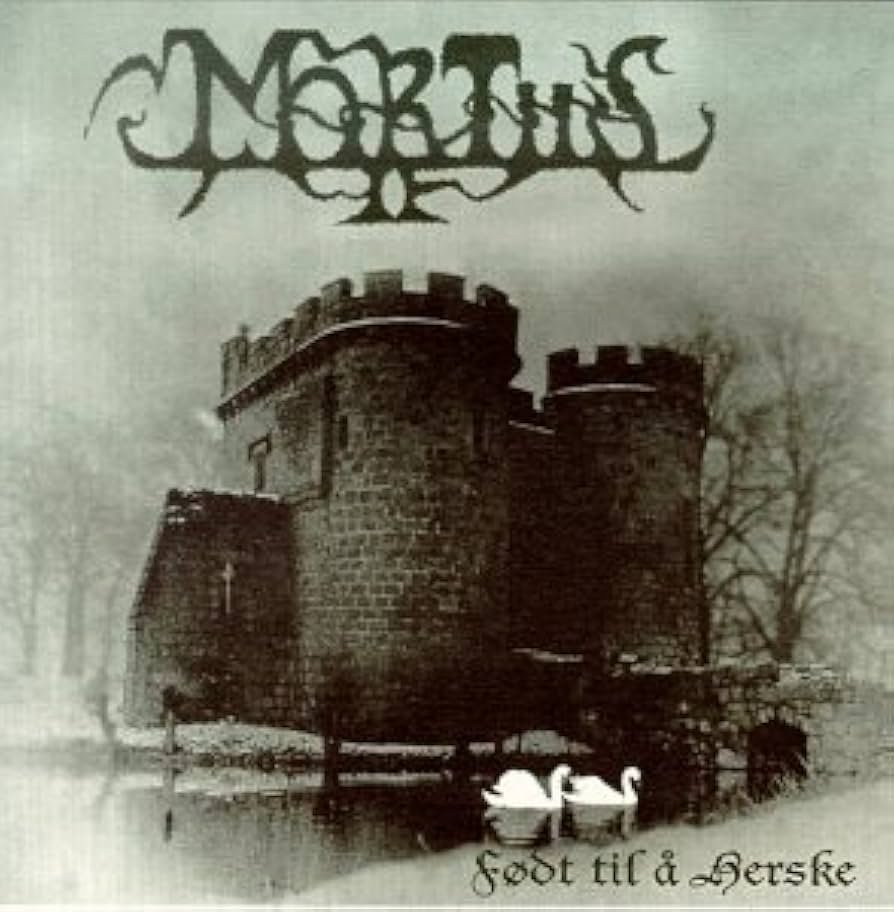
Análisis: Este disco es el kilómetro cero del aislamiento. Al escucharlo, siento la soledad de un joven de 18 años que acababa de dejar la banda más importante de Noruega para hacer algo que nadie entendía. Son dos pistas de 25 minutos que se mueven con la parsimonia de un glaciar. No hay percusión, solo capas de teclados que evocan la grandeza de un reino que solo existe en su cabeza.
Crítica: La prensa del metal de la época fue cruel. Revistas como Terrorizer o Metal Hammer no sabían qué hacer con él. Algunos lo llamaron «música de ascensor para trolls». Sin embargo, la escena del fanzine underground lo elevó a estatus de culto, viendo en él la extensión atmosférica del Black Metal sin la necesidad de guitarras.
Dato Curioso: Håvard grabó este disco con un presupuesto irrisorio. La «máscara» original era poco más que cartón y maquillaje barato, mucho antes de que el látex de Hollywood entrara en escena.
Canción Clave: «Født til å herske Part I».
«Ånden som gjorde opprør» (1994)
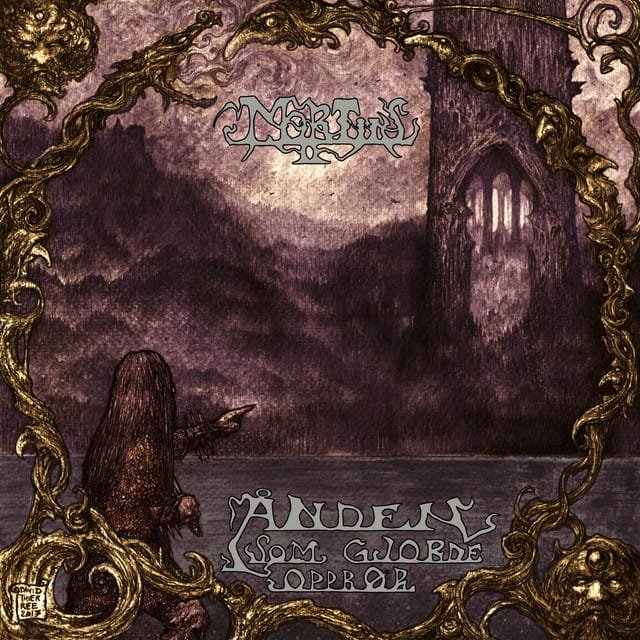
Análisis: Para mí, este es el cénit de la Era I. Aquí, Mortiis aprendió a usar el silencio y la repetición para hipnotizar al oyente. Las melodías son más «hermosas» en un sentido trágico. Es el disco que define la estética del «Rey Troll».
Crítica: Empezó a ganar respeto en los círculos de la música ambient y darkwave. El prestigioso sello Cold Meat Industry lo fichó, lo que le dio una pátina de sofisticación artística que lo alejó de la etiqueta de «ex-Emperor».
Canción Clave: «En mørk horisont».
«Keiser av en dimensjon ukjent» (1995)
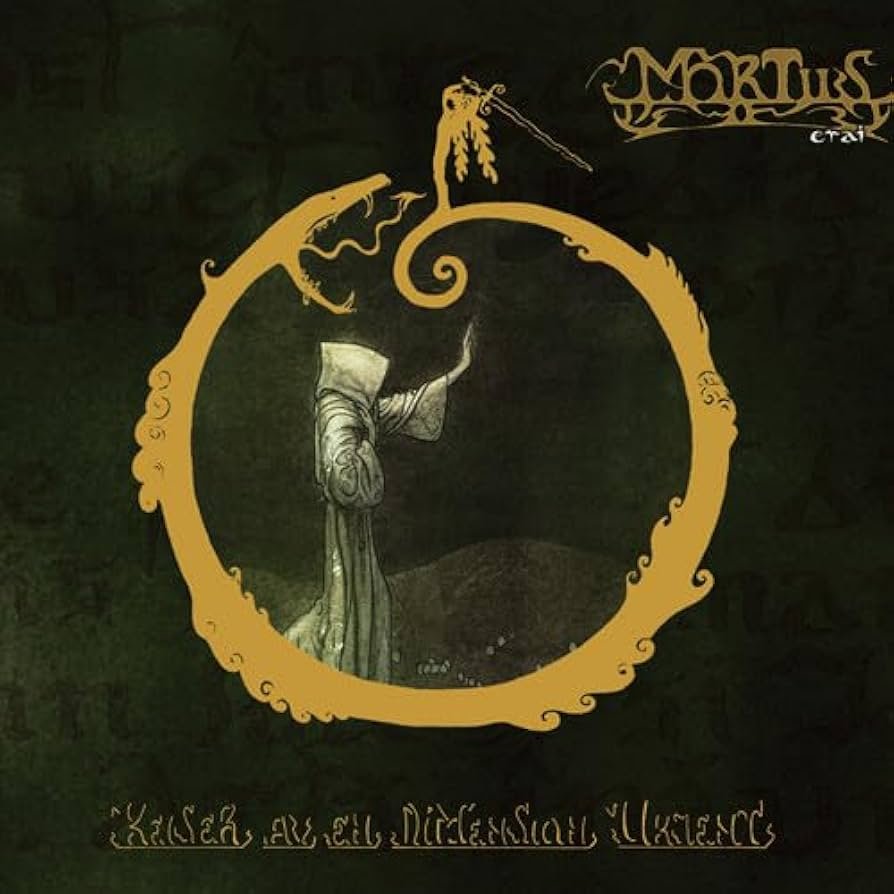
Análisis: Noto una ambición orquestal. Aunque seguía usando equipos limitados, la composición se volvió más compleja. Es un disco majestuoso que suena a la banda sonora de una película de fantasía que nunca se filmó.
Crítica: Los detractores seguían diciendo que era «música aburrida», pero Mortiis ya tenía una base de fans global que compraba cada edición limitada. Fue aquí donde su imagen se volvió icónica: las orejas y la nariz puntiaguda ya eran su piel.
«Crypt of the Wizard» (1996)
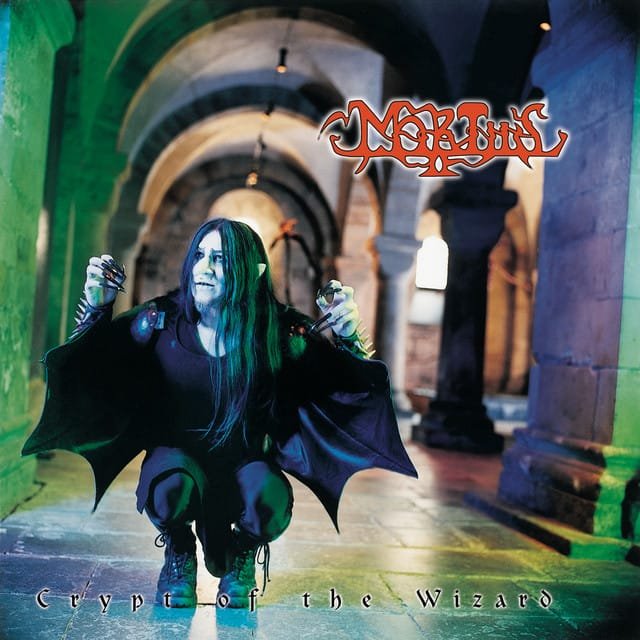
- Análisis: Para mí, este es el álbum más «literario» de Mortiis. Si sus trabajos anteriores eran como inmensas catedrales de sonido de 25 minutos en las que podías perderte, «Crypt of the Wizard» rompió ese esquema al presentar diez composiciones más cortas y enfocadas. Al escucharlo hoy, siento que estoy ante una antología de relatos de fantasía oscura; cada pista es un capítulo que explora un rincón diferente de su mundo imaginario.
- Crítica: En 1996, la recepción de este álbum fue fascinante y contradictoria. La prensa del metal extremo, que ya empezaba a aceptar a Mortiis como un «exiliado ilustre», lo elogió por su capacidad de crear una «pesadez espiritual» sin usar una sola guitarra. Sin embargo, no faltaron las críticas mordaces de medios más generalistas que ridiculizaron la producción, calificándola de «música de videojuego barato».
«The Stargate» (1999)
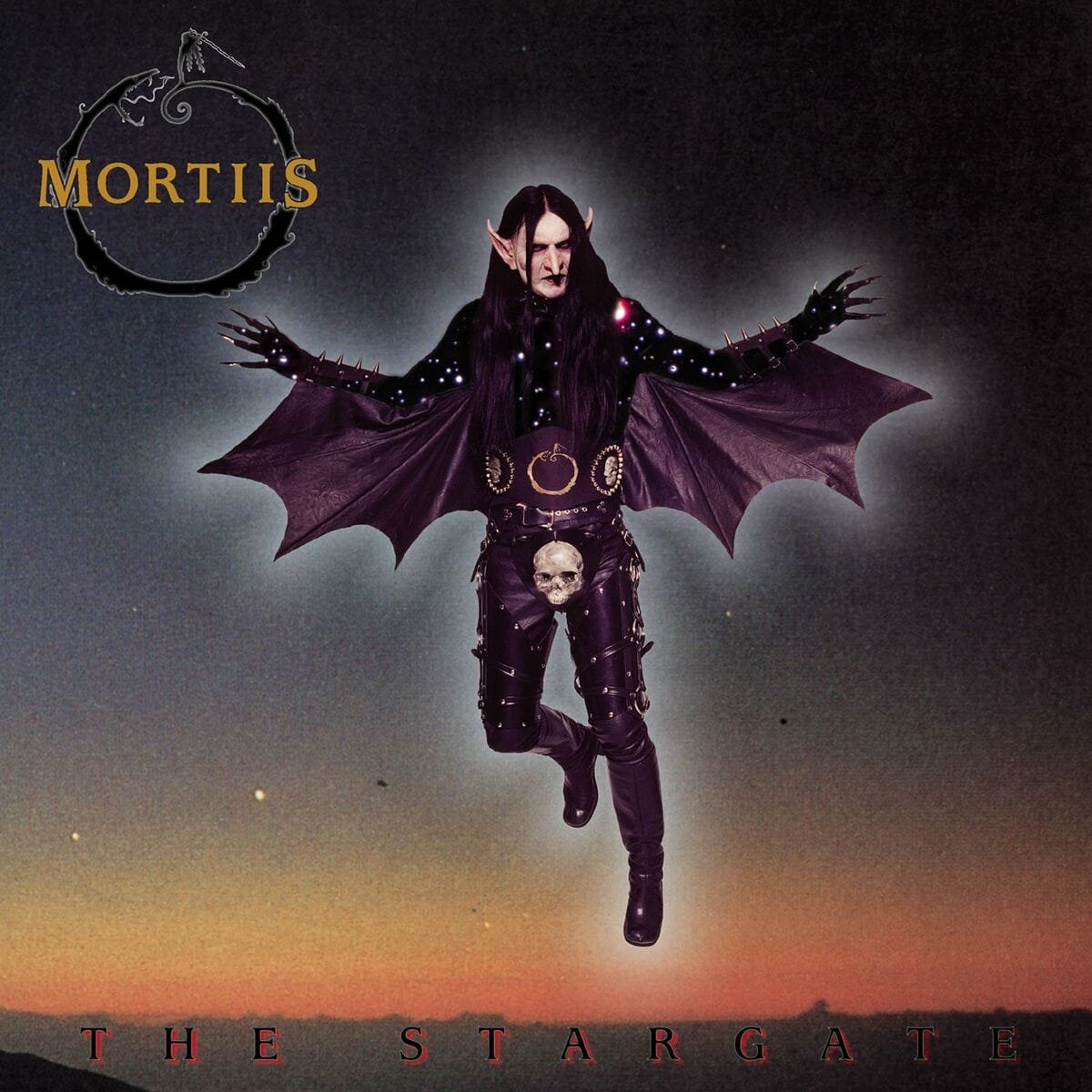
Análisis: El cierre magistral de la Era I. Es el disco más «accesible» de este periodo. La inclusión de la voz de Sarah Jezebel Deva le dio una dimensión humana que antes no tenía. Hay flautas, hay coros, hay una narrativa clara.
Dato Curioso: Fue el álbum que captó la atención de Earache Records. Los puristas del Dungeon Synth sintieron que era «demasiado limpio», pero para mí, fue la prueba de que Mortiis era un músico de conservatorio frustrado con un talento inmenso.
El shock del Synth-Pop (2001)
Esta era es, en mi opinión, el momento de mayor valentía en su carrera. Mortiis decidió que el calabozo era una prisión y rompió las cadenas de la forma más inesperada posible.
«The Smell of Rain» (2001)
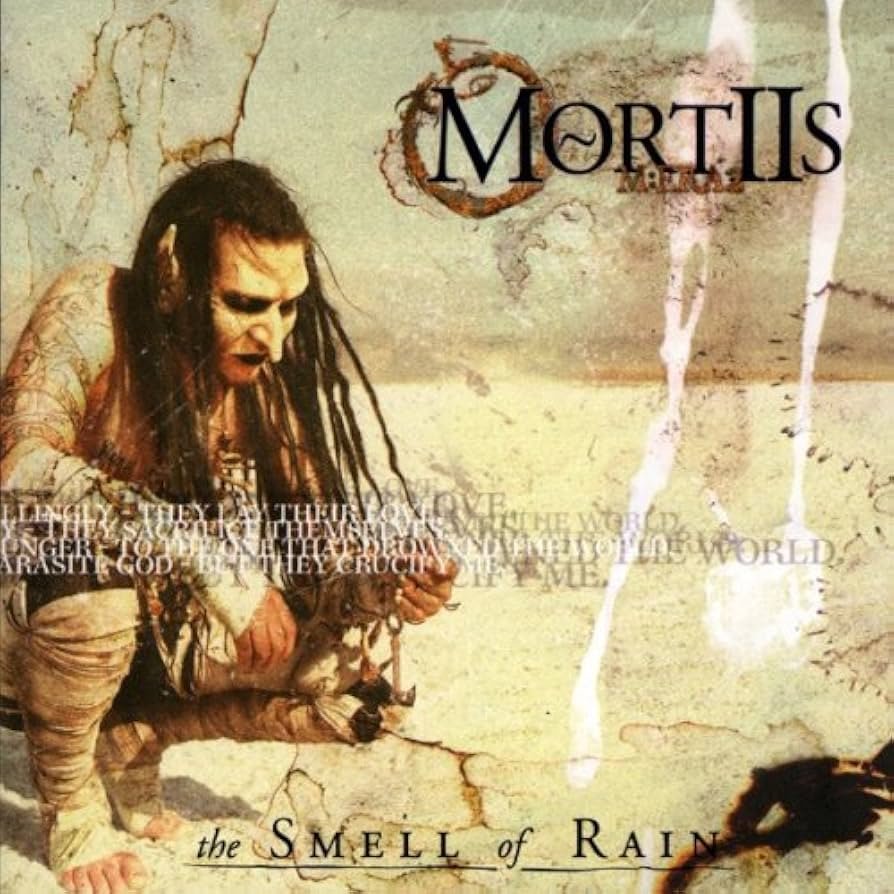
Análisis: Imagina la sorpresa de la comunidad metalera al poner este CD y escuchar ritmos bailables, influencias de Depeche Mode y, por primera vez, a Mortiis cantando con una voz limpia y melódica. Personalmente, me parece su disco más honesto. Habla de la depresión, el odio a uno mismo y el aislamiento mental. Musicalmente, es un electropop gótico de altísima factura.
Crítica: Fue un terremoto. Muchos fans quemaron sus discos. La prensa lo llamó «el Marilyn Manson noruego» de forma despectiva. Pero visto en perspectiva, es un álbum adelantado a su tiempo. Canciones como «Parasite God» se convirtieron en himnos en las pistas de baile góticas de todo el mundo.
Dato Curioso: Mortiis tuvo que aprender a cantar para este disco. Se encerró meses para desarrollar una técnica que le permitiera expresar su vulnerabilidad sin esconderse tras los sintetizadores.
Canción Clave: «Everyone Leaves».
La metamorfosis industrial (2004 – 2010)
Aquí, el troll salió a la calle. La máscara se volvió urbana, llena de mugre y cables. El sonido se volvió una agresión de guitarras y percusiones metálicas.
«The Grudge» (2004)
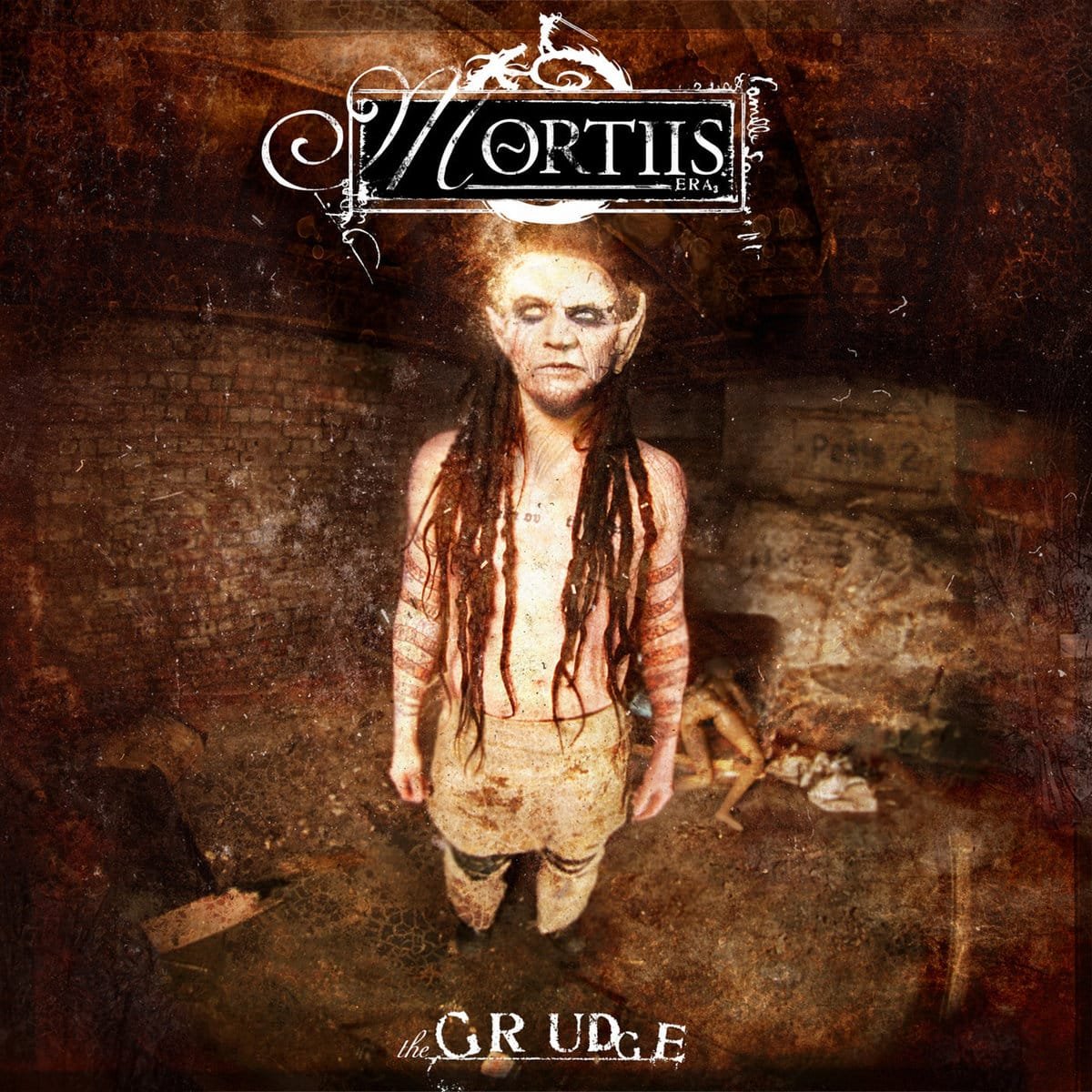
Análisis: Es pura rabia industrial. Influenciado por Nine Inch Nails y el rock industrial de los 90, este disco es denso, ruidoso y lleno de texturas metálicas. La voz de Mortiis se volvió un grito procesado. Es un álbum de confrontación.
Crítica: La revista Kerrang! lo calificó muy bien, viendo en él una evolución lógica hacia el rock alternativo oscuro. Sin embargo, para los fans de su etapa medieval, esto fue la traición final. Yo lo veo como su álbum de «despertar»; ya no era un rey en un castillo imaginario, era un hombre herido en una ciudad moderna.
Canción Clave: «The Grudge».
«Perfectly Defect» (2010)
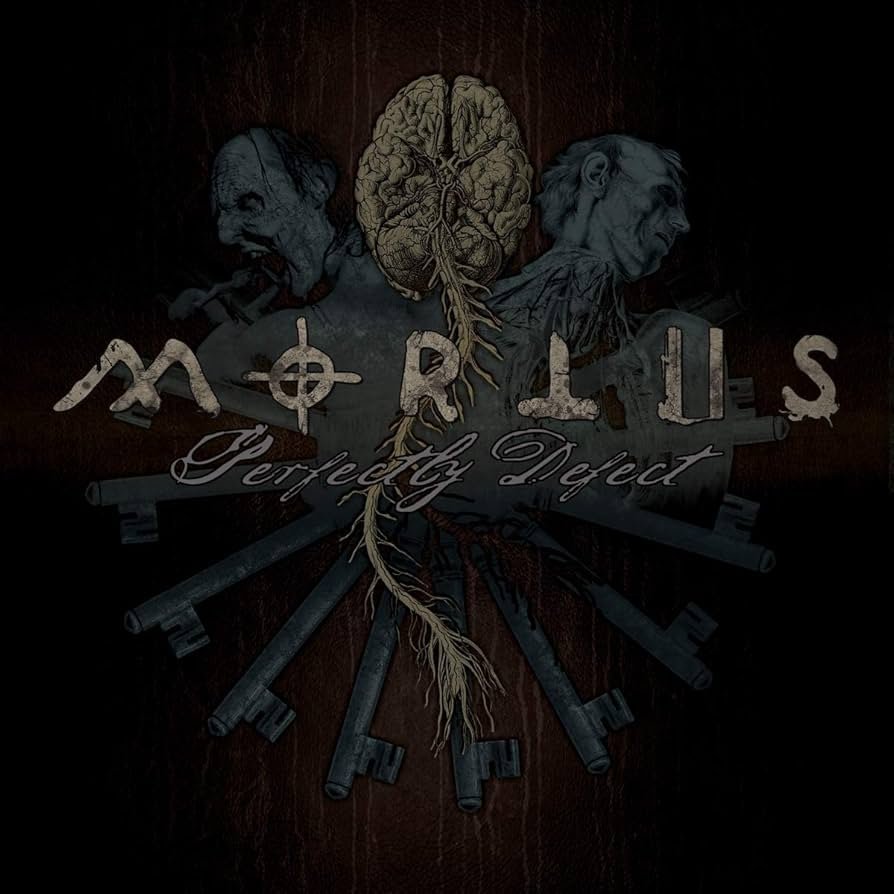
Análisis: Tras años de giras extenuantes, este disco se lanzó de forma gratuita a través de su web. Es un trabajo más rítmico, con un groove industrial muy marcado. Siento que aquí Mortiis encontró un equilibrio entre su lado melódico y su necesidad de ruido.
Dato Curioso: Fue el primer paso hacia su total independencia discográfica, creando su sello Omnipresence.
El regreso al origen (2017 – Presente)
Tras un periodo de silencio y lucha con su salud mental, Mortiis hizo lo que nadie esperaba: volvió a ponerse la máscara clásica y regresó al calabozo.
«The Great Deceiver» (2016)
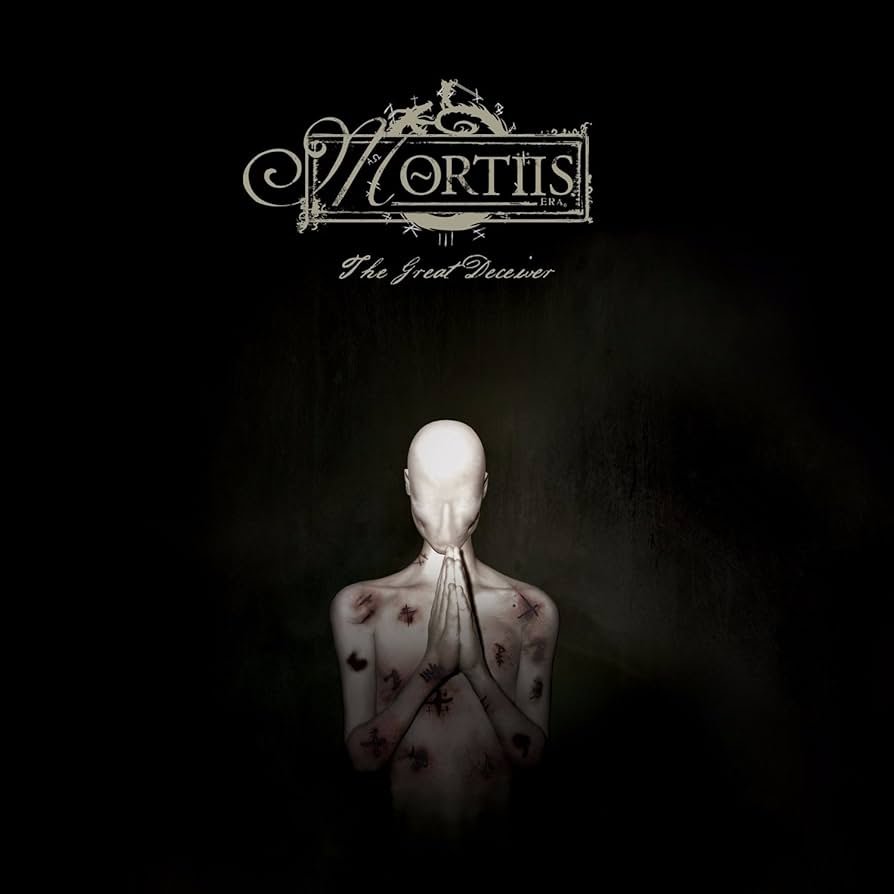
Análisis: Aunque se siente como una continuación de la Era III, este disco es mucho más oscuro y caótico. Fue un proceso de grabación tortuoso que duró casi una década. Para mí, suena a colapso mental. Es fascinante, pero difícil de escuchar por la carga emocional que conlleva.
Crítica: Fue alabado por su profundidad, aunque algunos críticos señalaron que la producción era tan densa que resultaba asfixiante.
«Spirit of Rebellion» (2020)
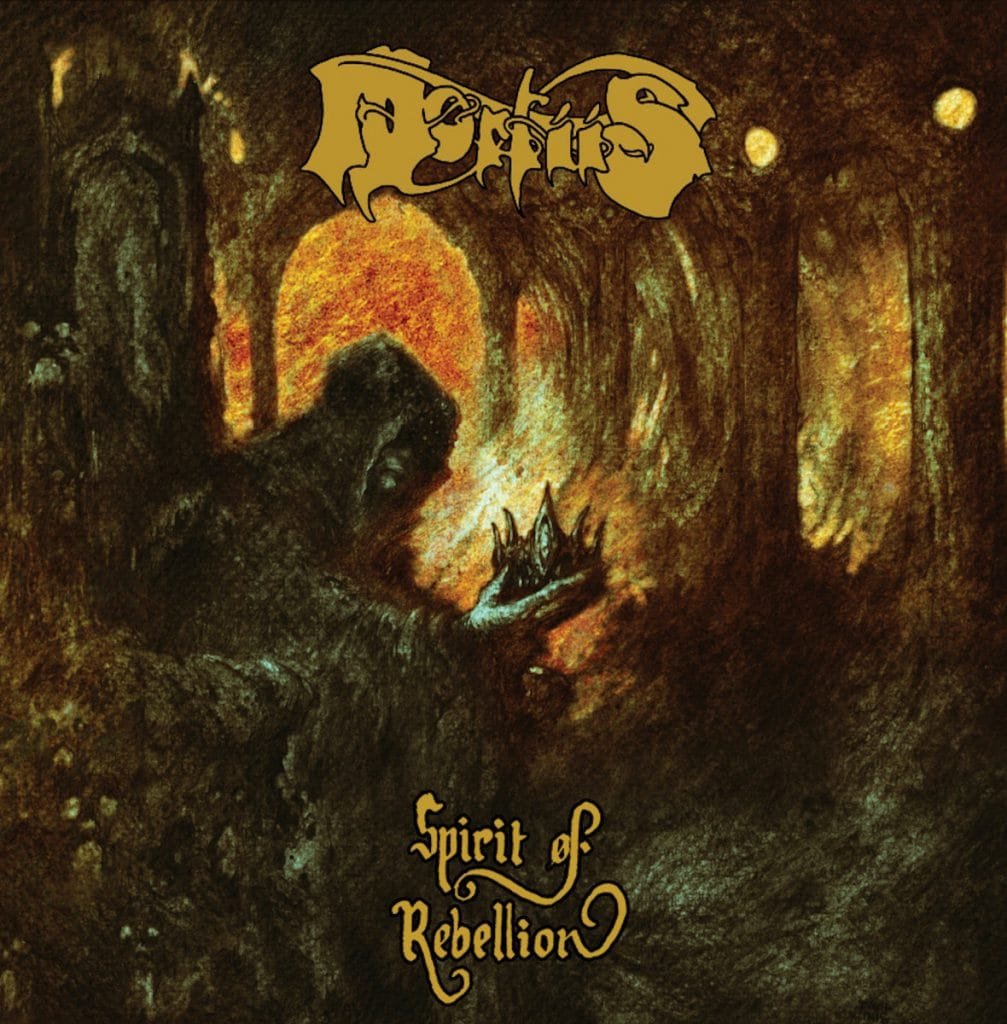
Análisis: Este no es solo un disco, es un acto de justicia poética. Mortiis retomó las cintas de «Ånden som gjorde opprør» (1994) y las expandió con la tecnología actual. Es el regreso triunfal al Dungeon Synth. Como fan de larga data, escuchar este disco fue como ver a un viejo amigo volver a casa después de una guerra. Es épico, profundo y recupera esa magia medieval que solo él sabe crear.
Critica: La comunidad de internet, que había redescubierto el Dungeon Synth gracias a Bandcamp y YouTube, lo recibió como el regreso del Mesías. Fue un éxito de crítica rotundo, validando su legado original 25 años después.
Mi reflexión sobre el legado de Mortiis
Evaluar la carrera de Mortiis es evaluar la historia de un hombre que se negó a ser un cliché. Pudo haberse quedado en el Black Metal y ser millonario vendiendo nostalgia, pero prefirió ser un troll, un cantante de pop y un músico industrial.
A mi juicio, su mayor logro es haber creado un lenguaje visual y sonoro que no existía. Hoy, miles de bandas de Dungeon Synth le deben su existencia. Mortiis es la prueba viviente de que el arte más puro nace del aislamiento y de la necesidad de crear un mundo donde uno pueda, finalmente, pertenecer.
To talk about Mortiis (Håvard Ellefsen) is to delve into one of the most fascinating identity experiments in contemporary music. For me, Mortiis represents the absolute rejection of stagnation. After leaving Emperor in 1993, where he wrote part of Black Metal’s history, he decided that the walls of reality were too narrow. He put on a mask, retreated into his own world, and, for three decades, has destroyed and rebuilt his sound.
The realm of Dungeon Synth (1993 – 1999)
In this stage, I consider that Mortiis was not just making music, but building a mythology. It is the era of monophonic synthesizers, atmospheres of forgotten castles, and the birth of a genre we know today as Dungeon Synth.
«Født til å herske» (1993)
Analysis: This album is mile zero of isolation. Listening to it, I feel the loneliness of an 18-year-old who had just left Norway’s most important band to do something that no one understood. It consists of two 25-minute tracks that move with the sluggishness of a glacier. There is no percussion, only layers of keyboards evoking the grandeur of a kingdom that exists only in his head.
Review: The metal press of the time was cruel. Magazines like Terrorizer or Metal Hammer didn’t know what to do with him. Some called it «elevator music for trolls.» However, the underground fanzine scene elevated him to cult status, seeing in him the atmospheric extension of Black Metal without the need for guitars.
Fun Fact: Håvard recorded this album on a derisory budget. The original «mask» was little more than cardboard and cheap makeup, long before Hollywood latex entered the scene.
Key Song: «Født til å herske Part I».
«Ånden som gjorde opprør» (1994)
Analysis: For me, this is the zenith of Era I. Here, Mortiis learned to use silence and repetition to hypnotize the listener. The melodies are «more beautiful» in a tragic sense. It is the album that defines the «Troll King» aesthetic.
Review: He began to gain respect in darkwave and ambient music circles. The prestigious label Cold Meat Industry signed him, which gave him a patina of artistic sophistication that distanced him from the «ex-Emperor» label.
Key Song: «En mørk horisont».
«Keiser av en dimensjon ukjent» (1995)
Analysis: I notice an orchestral ambition here. Although he was still using limited equipment, the composition became more complex. It is a majestic album that sounds like the soundtrack to a fantasy film that was never shot.
Review: Detractors continued to say it was «boring music,» but Mortiis already had a global fan base that bought every limited edition. It was here that his image became iconic: the pointed ears and nose were already his skin.
«Crypt of the Wizard» (1996)
- Analysis: For me, this is Mortiis’s most «literary» album. While his previous works were like immense 25-minute cathedrals of sound in which you could lose yourself, «Crypt of the Wizard» broke that mold by presenting ten shorter, more focused compositions. Listening to it today, I feel as if I am facing an anthology of dark fantasy tales; each track is a chapter exploring a different corner of his imaginary world.
- Review: In 1996, the reception of this album was fascinating and contradictory. The extreme metal press, which was already beginning to accept Mortiis as an «illustrious exile,» praised him for his ability to create a «spiritual heaviness» without using a single guitar. However, there was no shortage of biting criticism from more mainstream outlets that ridiculed the production, labeling it as «cheap video game music.»
«The Stargate» (1999)
Analysis: The masterful closing of Era I. It is the most «accessible» album of this period. The inclusion of Sarah Jezebel Deva’s vocals gave it a human dimension it previously lacked. There are flutes, there are choirs, and there is a clear narrative.
Fun Fact: This was the album that caught the attention of Earache Records. Dungeon Synth purists felt it was «too clean,» but for me, it was proof that Mortiis was a frustrated conservatory musician with immense talent.
The shock of Synth-Pop (2001)
This era is, in my opinion, the moment of greatest bravery in his career. Mortiis decided that the dungeon was a prison and broke the chains in the most unexpected way possible.
«The Smell of Rain» (2001)
Analysis: Imagine the surprise of the metal community when putting on this CD and hearing danceable rhythms, Depeche Mode influences, and, for the first time, Mortiis singing with a clean and melodic voice. Personally, it strikes me as his most honest album. It speaks of depression, self-loathing, and mental isolation. Musically, it is high-quality gothic electropop.
Review: It was an earthquake. Many fans burned their records. The press called him «the Norwegian Marilyn Manson» in a derogatory way. But seen in perspective, it is an album ahead of its time. Songs like «Parasite God» became anthems on gothic dancefloors worldwide.
Fun Fact: Mortiis had to learn to sing for this album. He locked himself away for months to develop a technique that would allow him to express his vulnerability without hiding behind synthesizers.
Key Song: «Everyone Leaves».
The industrial metamorphosis (2004 – 2010)
Here, the troll took to the streets. The mask became urban, full of grime and cables. The sound became an aggression of guitars and metallic percussion.
«The Grudge» (2004)
Analysis: Pure industrial rage. Influenced by Nine Inch Nails and 90s industrial rock, this album is dense, noisy, and full of metallic textures. Mortiis’s voice became a processed scream. It is an album of confrontation.
Review: Kerrang! magazine gave it a very good rating, seeing it as a logical evolution toward dark alternative rock. However, for fans of his medieval stage, this was the final betrayal. I see it as his «awakening» album; he was no longer a king in an imaginary castle, but a wounded man in a modern city.
Key Song: «The Grudge».
«Perfectly Defect» (2010)
Analysis: After years of grueling touring, this album was released for free through his website. It is a more rhythmic work with a very marked industrial groove. I feel that here Mortiis found a balance between his melodic side and his need for noise.
Fun Fact: It was the first step toward his total record independence, creating his label Omnipresence.
The return to the origin (2017 – Present)
After a period of silence and struggle with his mental health, Mortiis did what no one expected: he put the classic mask back on and returned to the dungeon.
«The Great Deceiver» (2016)
Analysis: Although it feels like a continuation of Era III, this album is much darker and more chaotic. It was a torturous recording process that lasted almost a decade. To me, it sounds like a mental breakdown. It is fascinating, but difficult to listen to because of the emotional weight it carries.
Review: It was praised for its depth, although some critics noted that the production was so dense it was suffocating.
«Spirit of Rebellion» (2020)
Analysis: This is not just an album; it is an act of poetic justice. Mortiis took the tapes of «Ånden som gjorde opprør» (1994) and expanded them with current technology. It is the triumphant return to Dungeon Synth. As a long-time fan, listening to this album was like watching an old friend return home after a war. It is epic, deep, and recovers that medieval magic that only he knows how to create.
Review: The internet community, which had rediscovered Dungeon Synth thanks to Bandcamp and YouTube, received him like the return of the Messiah. It was a resounding critical success, validating his original legacy 25 years later.
My reflection on Mortiis’s legacy
Evaluating the career of Mortiis is evaluating the story of a man who refused to be a cliché. He could have stayed in Black Metal and become a millionaire selling nostalgia, but he preferred to be a troll, a pop singer, and an industrial musician.
In my judgment, his greatest achievement is having created a visual and sonic language that did not exist. Today, thousands of Dungeon Synth bands owe him their existence. Mortiis is living proof that the purest art is born from isolation and the need to create a world where one can, finally, belong.