







(English Below)
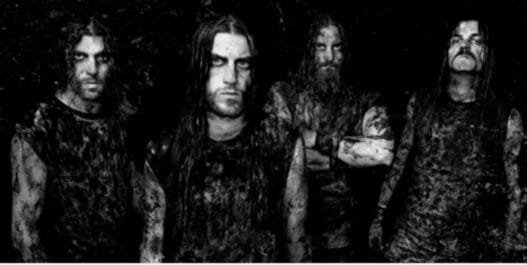
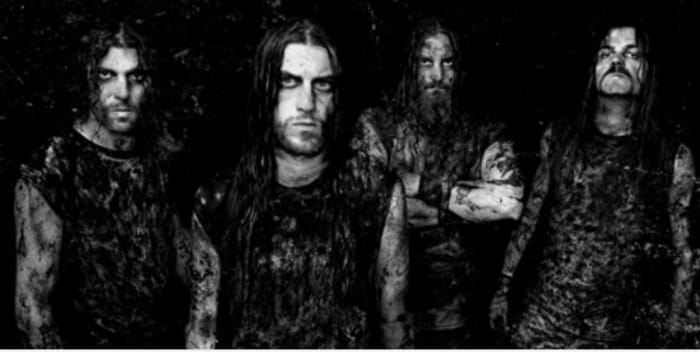
Dentro del metal extremo contemporáneo existen pocas entidades tan influyentes, herméticas y transformadoras como Deathspell Omega. Surgidos en Francia a finales de los años noventa, el grupo comenzó como un proyecto relativamente ortodoxo dentro del black metal tradicional europeo. Sin embargo, con el paso del tiempo evolucionaron hasta convertirse en una de las fuerzas más radicales e intelectualmente ambiciosas que haya producido el género.
Mientras muchas bandas del black metal permanecían ancladas en las fórmulas estéticas desarrolladas durante la segunda ola noruega, Deathspell Omega decidió llevar el lenguaje musical del género hacia territorios completamente nuevos: disonancia extrema, estructuras compositivas cercanas a la música contemporánea, densidad conceptual filosófica y una exploración teológica profundamente perturbadora.
Su obra más influyente se desarrolla principalmente entre 2004 y 2016, periodo durante el cual publicaron una serie de álbumes y EPs que redefinieron los límites del black metal. Esta etapa, muchas veces descrita por la crítica como su «trilogía teológica» y las obras que la rodean, no solo transformó su propia identidad artística, sino que también influyó en toda una generación de bandas dentro del black metal disonante y el metal extremo experimental.
A continuación presento una discografía esencial que no solo recorre sus álbumes fundamentales, sino también algunos EPs clave que ayudan a entender la evolución conceptual y sonora del proyecto.
«Si Monvmentvm Reqvires, Circvmspice» (2004)
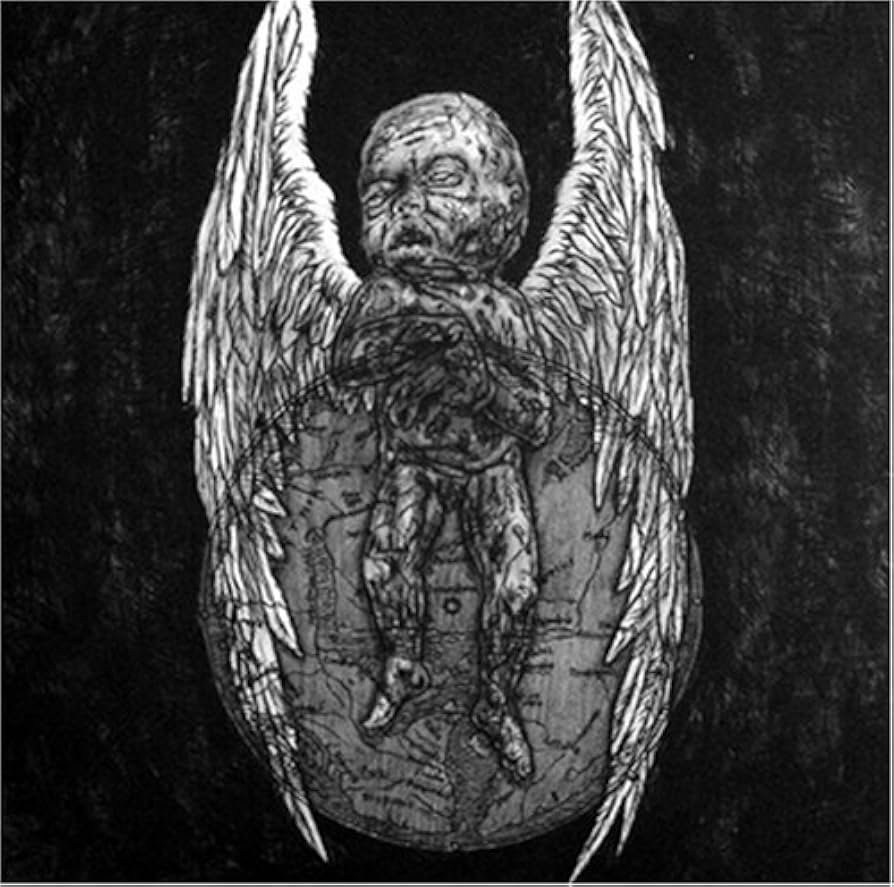
- Temática: Este disco marca el verdadero punto de inflexión en la historia de Deathspell Omega. Hasta ese momento, la banda había publicado trabajos relativamente tradicionales dentro del black metal, pero con este álbum comienza su etapa filosófica y teológica. El concepto gira alrededor de la relación entre el ser humano, Dios y la caída espiritual. Lejos del satanismo superficial habitual en el género, el grupo adopta una aproximación mucho más compleja y profundamente teológica, inspirada en textos religiosos, filosofía cristiana y reflexiones metafísicas sobre el mal. La narrativa conceptual del disco explora la idea de que el mal no es simplemente oposición a lo divino, sino una manifestación inherente a la condición humana. Esta perspectiva convierte al álbum en una especie de tratado musical sobre la corrupción espiritual.
- Sonido: Musicalmente, este trabajo supone el abandono definitivo del black metal convencional. Las estructuras se vuelven mucho más complejas y laberínticas, con riffs altamente disonantes, cambios de ritmo abruptos y una sensación constante de tensión. Las guitarras ya no buscan únicamente crear atmósfera, sino generar una sensación casi claustrofóbica de caos controlado. La batería se mueve entre ráfagas violentas de blast beats y pasajes más calculados que enfatizan el carácter ritual de la música. La producción es cruda pero sorprendentemente detallada, permitiendo que cada capa instrumental contribuya a la densidad sonora general.
- Crítica: La recepción crítica fue extraordinaria dentro del underground. Muchos medios especializados comenzaron a señalar el disco como uno de los trabajos más importantes del black metal del siglo XXI. Personalmente considero que este álbum no solo redefine el sonido de Deathspell Omega, sino que abre un nuevo camino dentro del metal extremo. Su ambición conceptual y su radicalidad musical lo convierten en una obra seminal.
«Kenose» (EP, 2005)
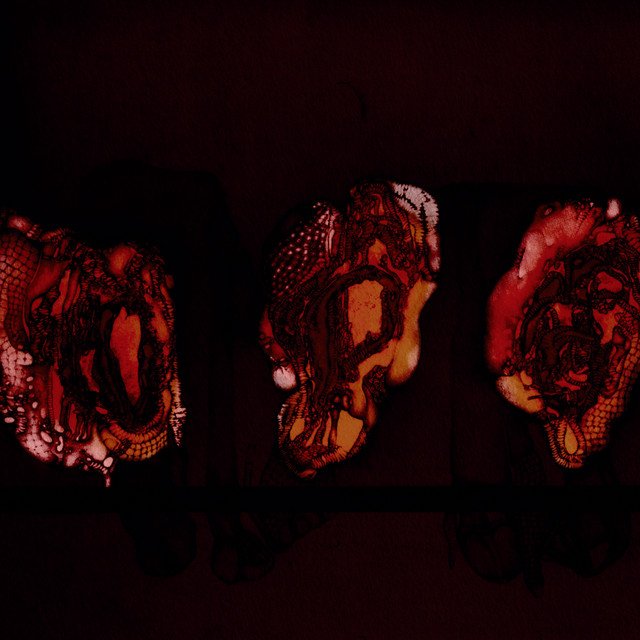
- Temática: «Kenose» es posiblemente uno de los trabajos más filosóficamente densos de la banda. El concepto gira alrededor de la idea teológica de la «kenosis», es decir, el vaciamiento de la divinidad. El EP examina la ausencia de Dios en el mundo moderno y las consecuencias espirituales de esa ausencia. En lugar de presentar una visión simplista del satanismo, Deathspell Omega plantea una reflexión sobre la crisis metafísica del universo.
- Sonido: Desde el punto de vista musical, Kenose lleva el lenguaje disonante del grupo a un nivel todavía más extremo. Las composiciones se vuelven más largas, complejas y opresivas. Los riffs parecen retorcerse constantemente, creando una sensación de desorientación auditiva. La batería alterna pasajes caóticos con momentos casi ritualísticos.
- Crítica: Para muchos críticos, Kenose representa uno de los momentos más radicales de la banda. Es un trabajo exigente y difícil, pero precisamente por eso se ha convertido en una referencia dentro del black metal experimental.
«Fas – Ite, Maledicti, in Ignem Aeternum» (2007)
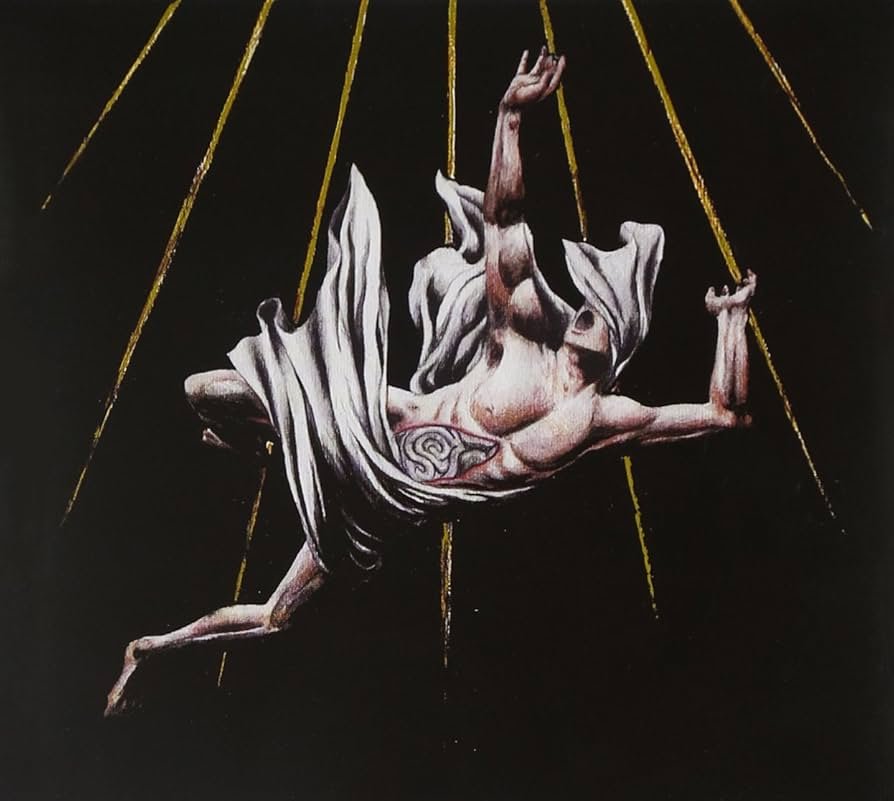
- Temática: Si el disco anterior exploraba la caída espiritual, Fas se centra en la naturaleza absoluta del mal. El álbum plantea una visión del mal como una fuerza metafísica autónoma, no simplemente como oposición a lo divino. Este enfoque filosófico se inspira en teología negativa, filosofía existencial y textos religiosos.
- Sonido: Aquí Deathspell Omega alcanza un nuevo nivel de complejidad musical. Las canciones son estructuras casi arquitectónicas, construidas a partir de capas de riffs disonantes y ritmos impredecibles. La sensación general es de caos controlado, donde cada elemento parece estar constantemente a punto de colapsar.
- Crítica: Fas es considerado por muchos como la obra maestra absoluta del grupo. Su intensidad, complejidad y ambición conceptual lo sitúan entre los discos más importantes del metal extremo moderno.
«Mass Grave Aesthetics» (EP, 2008)
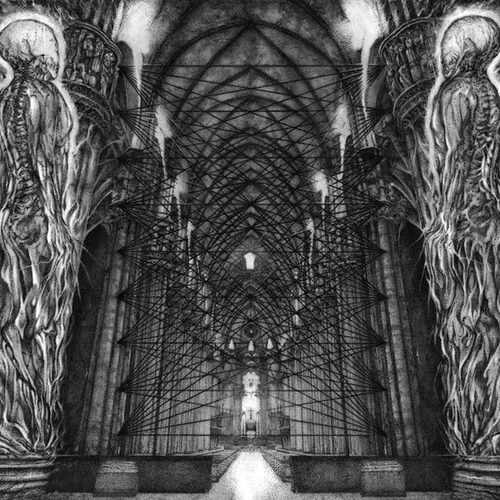
- Temática: Este EP continúa desarrollando el universo conceptual de la banda, centrándose en la relación entre destrucción espiritual y violencia humana. Las letras profundizan en temas de nihilismo religioso y decadencia moral.
- Sonido: Musicalmente mantiene la línea disonante de Fas, pero introduce algunos momentos más atmosféricos que permiten respirar dentro del caos general.
- Crítica: Aunque es un lanzamiento menor en duración, su importancia dentro de la discografía del grupo es notable, ya que sirve como puente conceptual entre Fas y «Paracletus».
«Paracletus» (2010)
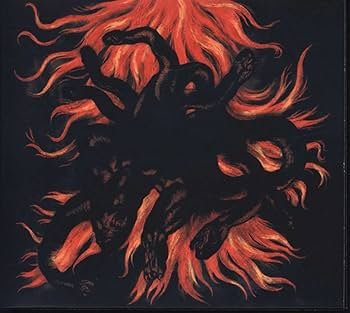
- Temática: Este álbum cierra la llamada trilogía teológica de Deathspell Omega. El concepto gira alrededor del Espíritu Santo y la idea de revelación divina. Sin embargo, la banda lo aborda desde una perspectiva profundamente ambigua y perturbadora.
- Sonido: «Paracletus» introduce más contrastes dinámicos que sus predecesores. Aunque sigue siendo extremadamente complejo, también contiene momentos relativamente más accesibles.
- Crítica: Muchos críticos consideran que este disco representa el equilibrio perfecto entre complejidad musical y coherencia conceptual.
«Drought» (EP, 2012)
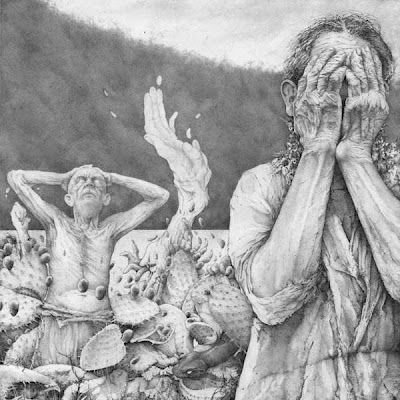
- Temática: Este EP funciona como una especie de epílogo conceptual a la trilogía teológica. Las letras exploran la desolación espiritual y la ausencia total de redención.
- Sonido: Musicalmente es uno de los trabajos más violentos y directos del grupo, con composiciones extremadamente tensas.
- Crítica: Aunque breve, «Drought» es un capítulo esencial dentro del universo conceptual de Deathspell Omega.
«The Synarchy of Molten Bones» (2016)
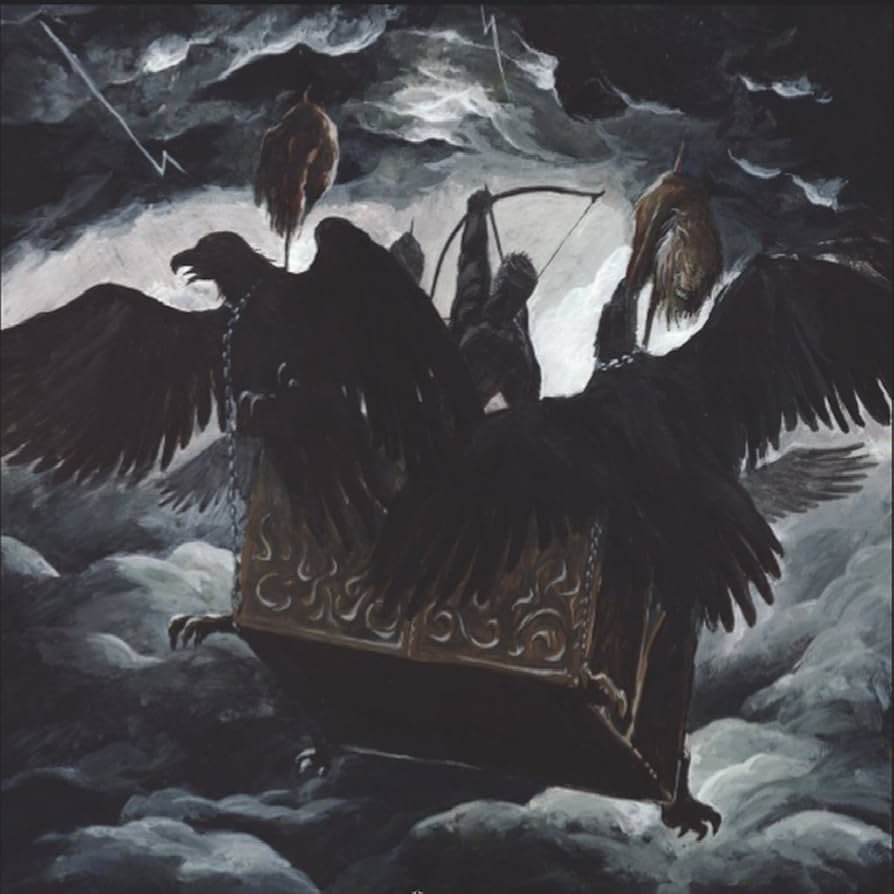
- Temática: Este disco marca una nueva etapa conceptual. Aquí el grupo se centra en la naturaleza del poder y el caos en la historia humana.
- Sonido: Es posiblemente el disco más brutal de la banda. Las canciones son extremadamente rápidas, densas y violentas.
- Crítica: La crítica lo recibió como una evolución lógica del sonido del grupo.
Contexto histórico e influencia
La importancia de Deathspell Omega dentro del metal extremo contemporáneo es difícil de exagerar. Su enfoque disonante y conceptual influyó directamente en la aparición de toda una corriente dentro del black metal moderno.
Bandas como Mgła, Blut Aus Nord, Svartidauði o incluso proyectos dentro del death metal técnico y disonante han sido comparados con la intensidad conceptual que Deathspell Omega introdujo en el género.
En particular, su aproximación a la disonancia influyó también en escenas paralelas como el death metal experimental.
Comparación con bandas actuales
Si comparamos Deathspell Omega con grupos contemporáneos, su singularidad sigue siendo evidente:
- Mgła, por ejemplo, desarrolla una estética filosófica y existencialista dentro del black metal moderno, pero con estructuras mucho más minimalistas.
- Blut Aus Nord comparte la experimentación sonora, aunque desde una perspectiva más atmosférica y futurista.
- Bandas como Ulcerate dentro del death metal han llevado la disonancia a territorios similares, pero con un enfoque rítmico diferente.
Aun así, pocas bandas han logrado combinar densidad conceptual, radicalidad musical y coherencia estética con la misma intensidad que Deathspell Omega.
Conclusión crítica
La discografía de Deathspell Omega representa una de las evoluciones más fascinantes dentro del metal extremo moderno.
A lo largo de sus álbumes y EPs esenciales, el grupo ha construido un universo conceptual complejo donde la teología, la filosofía y la música extrema convergen de manera única. Lo que realmente distingue a Deathspell Omega no es únicamente su complejidad musical, sino su ambición intelectual. En un género muchas veces dominado por la repetición de fórmulas, la banda ha demostrado que el black metal puede ser un vehículo para explorar ideas filosóficas profundas. En mi opinión, su trilogía formada por «Si Monvmentvm Reqvires Circvmspice», «Fas» y «Paracletus» constituye una de las cumbres creativas del metal del siglo XXI.
Más que una simple banda, Deathspell Omega se ha convertido en una referencia artística que continúa influyendo en nuevas generaciones de músicos dentro del metal extremo. Su legado demuestra que el black metal todavía tiene un enorme potencial para evolucionar y desafiar los límites del género.
Within contemporary extreme metal, there are few entities as influential, hermetic, and transformative as Deathspell Omega. Emerging from France in the late 1990s, the group began as a relatively orthodox project within traditional European black metal. However, over time, they evolved into one of the most radical and intellectually ambitious forces the genre has ever produced.
While many black metal bands remained anchored in the aesthetic formulas developed during the Norwegian second wave, Deathspell Omega decided to push the genre’s musical language into entirely new territories: extreme dissonance, compositional structures akin to contemporary classical music, dense philosophical concepts, and a deeply disturbing theological exploration.
Their most influential work primarily developed between 2004 and 2016, a period during which they released a series of albums and EPs that redefined the limits of black metal. This era, often described by critics as their «theological trilogy» and its surrounding works, not only transformed their own artistic identity but also influenced an entire generation of bands within dissonant black metal and experimental extreme metal.
The following is an essential discography that covers their fundamental albums and key EPs to help understand the project’s conceptual and sonic evolution.
«Si Monvmentvm Reqvires, Circvmspice» (2004)
Themes: This album marks the true turning point in Deathspell Omega’s history. Until this moment, the band had released relatively traditional black metal works, but this album begins their philosophical and theological era. The concept revolves around the relationship between the human being, God, and spiritual fall. Far from the superficial Satanism common in the genre, the group adopts a much more complex and deeply theological approach, inspired by religious texts, Christian philosophy, and metaphysical reflections on evil. The album’s narrative explores the idea that evil is not simply opposition to the divine, but an inherent manifestation of the human condition. This perspective turns the album into a sort of musical treatise on spiritual corruption.
Sound: Musically, this work represents the definitive abandonment of conventional black metal. Structures become much more complex and labyrinthine, featuring highly dissonant riffs, abrupt tempo changes, and a constant sense of tension. The guitars no longer seek solely to create atmosphere but to generate an almost claustrophobic sensation of controlled chaos. The drumming moves between violent bursts of blast beats and more calculated passages that emphasize the ritualistic character of the music. The production is raw yet surprisingly detailed, allowing each instrumental layer to contribute to the overall sonic density.
Criticism: Critical reception within the underground was extraordinary. Many specialized outlets began citing the record as one of the most important black metal works of the 21st century. Personally, I believe this album not only redefines Deathspell Omega’s sound but opens a new path within extreme metal. Its conceptual ambition and musical radicalism make it a seminal work.
«Kenose» (EP, 2005)
Themes: «Kenose» is arguably one of the band’s most philosophically dense works. The concept revolves around the theological idea of «kenosis»—the emptying of divinity. The EP examines the absence of God in the modern world and the spiritual consequences of that void. Instead of a simplistic vision of Satanism, Deathspell Omega poses a reflection on the metaphysical crisis of the universe.
Sound: Musically,«Kenose» takes the group’s dissonant language to an even more extreme level. Compositions become longer, more complex, and oppressive. The riffs seem to constantly twist, creating a sense of auditory disorientation. The percussion alternates between chaotic passages and almost ritualistic moments.
Criticism: For many critics,«Kenose» represents one of the band’s most radical moments. It is a demanding and difficult work, but precisely for that reason, it has become a benchmark in experimental black metal.
«Fas – Ite, Maledicti, in Ignem Aeternum» (2007)
Themes: If the previous album explored the spiritual fall, Fas focuses on the absolute nature of evil. The album posits evil as an autonomous metaphysical force, not merely an opposition to the divine. This philosophical approach is inspired by negative theology, existential philosophy, and religious texts.
Sound: Here, Deathspell Omega reaches a new level of musical complexity. The songs are almost architectural structures, built from layers of dissonant riffs and unpredictable rhythms. The general feeling is one of controlled chaos, where every element seems to be constantly on the verge of collapse.
Criticism: Fas is considered by many to be the group’s absolute masterpiece. Its intensity, complexity, and conceptual ambition place it among the most important records in modern extreme metal.
«Mass Grave Aesthetics» (EP, 2008)
Themes: This EP continues to develop the band’s conceptual universe, focusing on the relationship between spiritual destruction and human violence. The lyrics delve into themes of religious nihilism and moral decay.
Sound: Musically, it maintains the dissonant line of Fas, but introduces more atmospheric moments that provide a breather within the general chaos.
Criticism: Although it is a shorter release, its importance within the discography is notable, serving as a conceptual bridge between Fas and «Paracletus».
«Paracletus» (2010)
Themes: This album closes Deathspell Omega’s theological trilogy. The concept revolves around the Holy Spirit and the idea of divine revelation. However, the band approaches it from a deeply ambiguous and disturbing perspective.
Sound: «Paracletus» introduces more dynamic contrasts than its predecessors. While still extremely complex, it also contains moments that are relatively more accessible.
Criticism: Many critics believe this record represents the perfect balance between musical complexity and conceptual coherence.
«Drought» (EP, 2012)
Themes: This EP functions as a sort of conceptual epilogue to the theological trilogy. The lyrics explore spiritual desolation and the total absence of redemption.
Sound: Musically, it is one of the group’s most violent and direct works, featuring extremely tense compositions.
Criticism: Though brief, «Drought» is an essential chapter within the Deathspell Omega conceptual universe.
«The Synarchy of Molten Bones» (2016)
Themes: This album marks a new conceptual stage. Here, the group focuses on the nature of power and chaos in human history.
Sound: It is arguably the band’s most brutal record. The songs are extremely fast, dense, and violent.
Criticism: Critics received it as a logical evolution of the group’s sound.
Historical Context and Influence
The importance of Deathspell Omega within contemporary extreme metal is hard to overstate. Their dissonant and conceptual approach directly influenced the emergence of an entire movement within modern black metal. Bands like Mgła, Blut Aus Nord, Svartidauði, and even projects within technical and dissonant death metal have been compared to the conceptual intensity that Deathspell Omega introduced to the genre.
Comparison with Current Bands
If we compare Deathspell Omega with contemporary groups, their uniqueness remains evident:
Mgła, for example, develops a philosophical and existentialist aesthetic within modern black metal, but with much more minimalist structures.
Blut Aus Nord shares the sonic experimentation, though from a more atmospheric and futuristic perspective.
Bands like Ulcerate within death metal have taken dissonance to similar territories, but with a different rhythmic focus.
Even so, few bands have managed to combine conceptual density, musical radicalism, and aesthetic coherence with the same intensity as Deathspell Omega.
Critical Conclusion
The discography of Deathspell Omega represents one of the most fascinating evolutions in modern extreme metal. Throughout their essential albums and EPs, the group has constructed a complex conceptual universe where theology, philosophy, and extreme music uniquely converge. What truly distinguishes them is not just their musical complexity, but their intellectual ambition. In a genre often dominated by repetitive formulas, the band has shown that black metal can be a vehicle for exploring deep philosophical ideas.
In my opinion, the trilogy formed by «Si Monvmentvm Reqvires Circvmspice», «Fas», and «Paracletus»constitutes one of the creative peaks of 21st-century metal. More than just a band, Deathspell Omega has become an artistic reference that continues to influence new generations of musicians within extreme metal. Their legacy proves that black metal still has enormous potential to evolve and challenge the limits of the genre.