





(English Below)
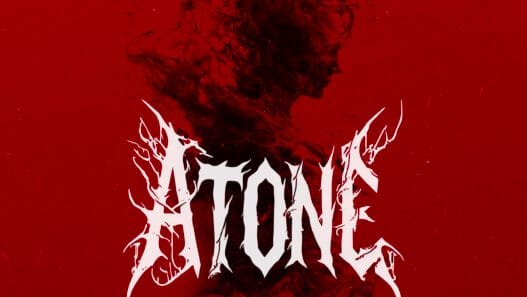
Llevo más de veinte años recorriendo los rincones más oscuros de la industria musical, desde los sótanos húmedos de las salas de conciertos en los noventa hasta los estudios de masterización más punteros de Europa, y si algo he aprendido es que el Funeral Doom no se escucha: se padece. No es un género musical; es un estado de sitio emocional. Por eso, cuando llegó a mi mesa el debut de los lisboetas Atone, titulado «Rebirth in Despair», supe que no estaba ante un disco más de metal extremo. Estaba ante un testamento sonoro.
Lisboa, con su luz blanca y su fado melancólico, ha parido en 2024 una entidad que parece alimentarse de la sombra de esa misma luz. Atone no ha venido a entretener; han venido a forzar un reconocimiento.
Ficha Técnica
Artista: Atone
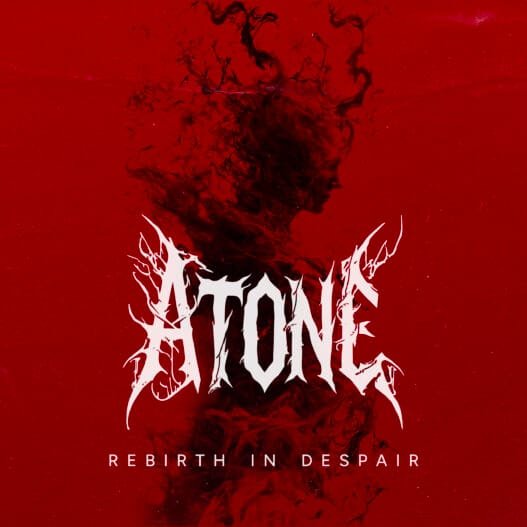
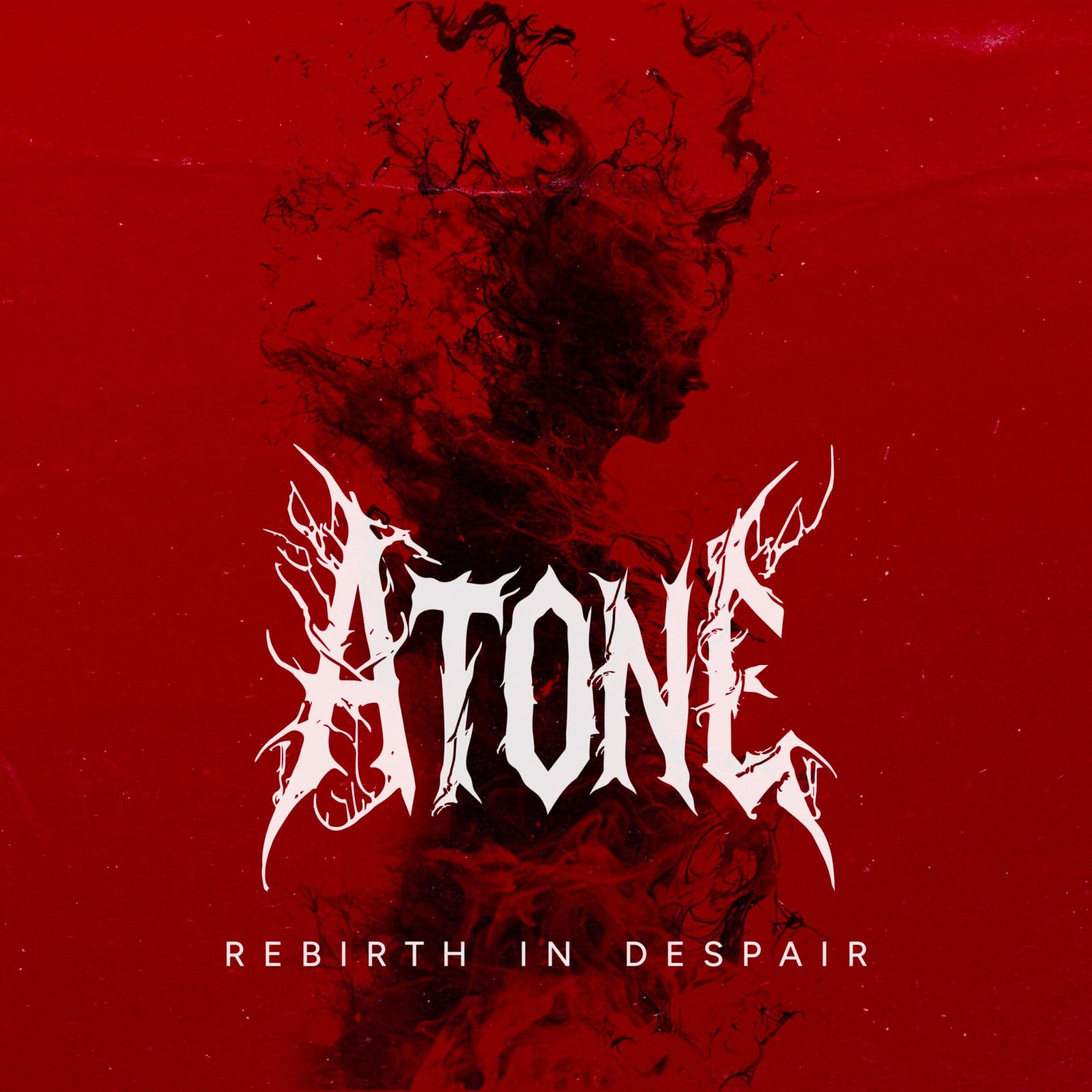
Álbum: «Rebirth in Despair»
Sello: Meuse Music Records
Fecha de lanzamiento: 2026
Género: Funeral Doom Metal
Para fans de: Esoteric, Ataraxie, Evoken, Mournful Congregation, Skepticism.
Hay una frase que me quedó grabada tras hablar con músicos de la escena underground durante años: «El dolor es heredado, la ilusión es elegida». Esta máxima parece ser el motor inmóvil de Atone, una banda formada en Lisboa que en apenas dos años de existencia ha logrado lo que a otros les cuesta décadas: construir una cosmovisión. Porque seamos claros, en «Rebirth in Despair», Atone no escribe canciones. Construye visiones. Visiones fracturadas de un colapso autoinfligido por la humanidad.
Como alguien que ha analizado las obras maestras de Esoteric o la densidad opresiva de Evoken, puedo afirmar que el debut de Atone se sitúa en esa liga de álbumes que te exigen un sacrificio. No puedes poner este disco de fondo mientras haces otra cosa. Si lo haces, el disco te ignora. Pero si le entregas tu atención, te arrastra a una metrópolis sintética donde la libertad es una mentira manufacturada.
Para que un disco de Funeral Doom funcione, la producción debe ser masiva pero legible. Atone tomó la sabia decisión de grabar y masterizar en los Pentagon Audio Manufacturers de Lisboa, bajo la atenta mirada de Fernando Matias. El resultado es una densidad sonora que se siente física, como si el aire en la habitación se volviera más pesado con cada nota. La mezcla respeta la dinámica de las guitarras de Ashen y V.S., permitiendo que las capas de teclados fluyan como una corriente subterránea de lava fría.
Lo que diferencia a Atone de otros proyectos noveles es su capacidad para integrar colaboraciones externas de forma orgánica. No son adornos; son piezas clave del puzle. La voz de Sofia Silva en el inicio del álbum establece un tono de premonición que te hiela la sangre, mientras que la intervención de Cristiana Felix en uno de los cortes centrales aporta una fragilidad que hace que la caída posterior sea mucho más dolorosa.
El álbum no se presenta como un capítulo lineal, sino como un sueño premonitorio donde el orden es irrelevante. Comienza con la pieza homónima, «Rebirth in Despair», una exposición cruda de la existencia como un bucle cerrado. Aquí, los growls abisales de Maze se entrelazan con una instrumentación que parece avanzar a la velocidad de una placa tectónica. El sufrimiento no es aquí un accidente, es estructural.
En «Living Ghosts in the Shattered Dome», la banda da un giro conceptual interesantísimo. Nos trasladan a una urbe futurista y decadente. La inclusión de las voces infantiles de Enzo Henriques es un golpe de genio; aporta una inocencia corrompida que subraya la idea de que la identidad es solo una simulación frágil en una cúpula hecha añicos. Es aquí donde el trabajo de batería de Flame destaca, manteniendo un pulso agónico que sostiene el peso de todo el edificio sonoro.
La transición hacia «Asylum for the Unmoored» nos muestra la cara más psicodélica y retorcida de Atone. El refugio se convierte en locura. Las melodías de guitarra de Ashen aquí son soberbias, dibujando líneas de una belleza marchita que recuerdan a los momentos más inspirados de Ataraxie. Es un descenso alucinatorio donde los sueños prestados reemplazan a la verdad.
El clímax conceptual llega con «Eidolon’s Remnant», una confrontación con los restos de ideales abandonados. Es una pieza puramente atmosférica en su esencia, un eco de lo que la humanidad casi llegó a ser antes de elegir su propio cautiverio. Pero es en el cierre, con «Labyrinths of Sundered Grace», donde Atone da el golpe de gracia. Aquí, el despertar llega demasiado tarde para la absolución, pero lo suficientemente temprano para la conciencia. La gracia está rota por manos humanas; nosotros somos los ingenieros de nuestra propia prisión.
He visto a muchas bandas intentar sonar «oscuras» mediante el uso de clichés. Atone no lo necesita. Su oscuridad emana de una honestidad brutal sobre la condición humana. Al leer sus letras y sumergirse en su música, uno siente que está ante un espejo que no devuelve nuestra imagen, sino nuestra sombra.
En comparación con otros lanzamientos de Meuse Music Records, Atone destaca por su ambición narrativa. Mientras que otras bandas de Funeral Doom se quedan en el lamento por la pérdida individual, Atone escala el dolor a un nivel global y civilizatorio. Es un disco ambicioso, difícil y profundamente gratificante para aquellos que no temen mirar al abismo.
Puntuación: 9.7 / 10
Atone ha entregado uno de los debuts más sólidos de la década en su estilo. No es música para las masas; es una liturgia para el fin de los tiempos.
Tracklist
«Rebirth in Despair» (feat. Sofia Silva)
«Living Ghosts in the Shattered Dome» (feat. Enzo Henriques)
«Asylum for the Unmoored» (feat. Cristiana Felix)
«Eidolon’s Remnant»
«Labyrinths of Sundered Grace»
Formación
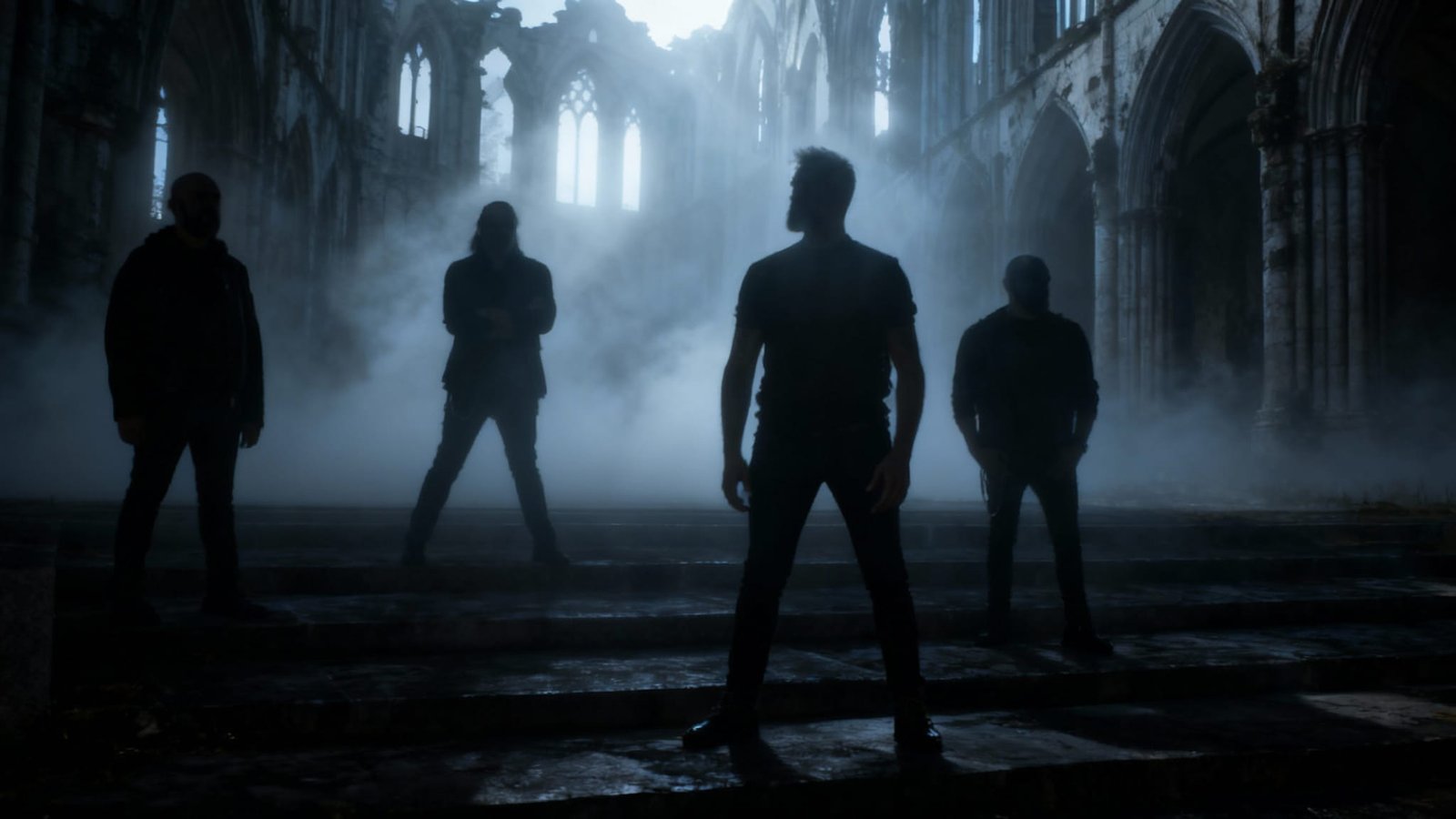
Maze: Voces
Ashen: Guitarra solista y Teclados
V.S.: Guitarra rítmica y Bajo
Flame: Batería
Multimedia
Redes Sociales
Facebook: https://www.facebook.com/atonedoom/
Instagram: https://www.instagram.com/atone_doom/
Bandcamp: https://atonefuneral.bandcamp.com/
There is a phrase that has stuck with me after years of speaking with musicians from the underground scene: «Pain is inherited, but illusion is chosen». This maxim seems to be the unmoved mover behind Atone, a band formed in Lisbon that, in just two years of existence, has achieved what takes others decades: the construction of a worldview. Because let’s be clear, in «Rebirth in Despair», Atone doesn’t just write songs. They build visions. Fractured visions of a self-inflicted collapse of humanity.
As someone who has analyzed the masterpieces of Esoteric or the oppressive density of Evoken, I can affirm that Atone’s debut sits in that league of albums that demand a sacrifice from you. You cannot put this record on in the background while doing something else. If you do, the album ignores you. But if you give it your full attention, it drags you into a synthetic metropolis where freedom is a manufactured lie.
For a Funeral Doom record to work, the production must be massive yet legible. Atone made the wise decision to record and master at Pentagon Audio Manufacturers in Lisbon, under the watchful eye of Fernando Matias. The result is a sonic density that feels physical, as if the air in the room becomes heavier with every note. The mix respects the dynamics of the guitars by Ashen and V.S., allowing layers of keyboards to flow like a subterranean current of cold lava.
What sets Atone apart from other fledgling projects is their ability to integrate external collaborations organically. They aren’t mere ornaments; they are key pieces of the puzzle. Sofia Silva’s voice at the album’s opening sets a tone of premonition that curdles the blood, while Cristiana Felix’s intervention in one of the central tracks provides a fragility that makes the subsequent fall much more painful.
The album does not present itself as a linear chapter, but as a premonitory dream where order is irrelevant. It begins with the title track, «Rebirth in Despair», a raw exposition of existence as a closed loop. Here, the abyssal growls of Maze intertwine with instrumentation that seems to move at the speed of a tectonic plate. Suffering here is not an accident; it is structural.
In «Living Ghosts in the Shattered Dome», the band takes a very interesting conceptual turn, transporting us to a futuristic and decaying urban center. The inclusion of child vocals by Enzo Henriques is a stroke of genius; it brings a corrupted innocence that underscores the idea that identity is merely a fragile simulation within a shattered dome. It is here where Flame’s drum work shines, maintaining an agonizing pulse that sustains the weight of the entire sonic edifice.
The transition toward «Asylum for the Unmoored» reveals Atone’s most psychedelic and twisted side. The refuge turns into madness. Ashen’s guitar melodies here are superb, tracing lines of withered beauty that recall the most inspired moments of Ataraxie. It is a hallucinatory descent where borrowed dreams replace the truth.
The conceptual climax arrives with «Eidolon’s Remnant», a confrontation with the remains of abandoned ideals. It is a purely atmospheric piece in essence, an echo of what humanity almost became before choosing its own captivity. But it is in the closer, «Labyrinths of Sundered Grace», where Atone delivers the final blow. Here, awakening arrives too late for absolution, but early enough for awareness. Grace is broken by human hands; we are the engineers of our own prison.
I have seen many bands try to sound «dark» by using clichés. Atone doesn’t need them. Their darkness emanates from a brutal honesty about the human condition. While reading their lyrics and immersing oneself in their music, one feels they are standing before a mirror that does not reflect our image, but our shadow.
Compared to other releases from Meuse Music Records, Atone stands out for its narrative ambition. While other Funeral Doom bands remain stuck in lamenting individual loss, Atone scales pain to a global and civilizational level. It is an ambitious, difficult, and deeply rewarding album for those who do not fear staring into the abyss.
Score: 9.7 / 10
Atone has delivered one of the most solid debuts of the decade in its style. This is not music for the masses; it is a liturgy for the end of times.