



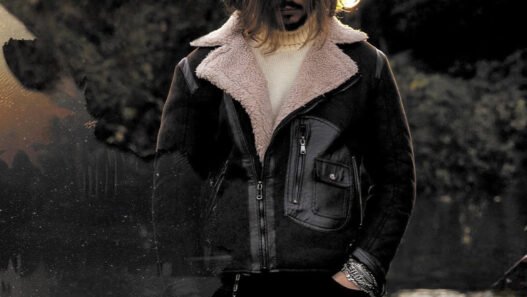
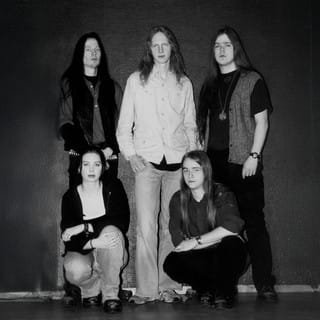
(English Below)
Descubrir a Otyg fue, para mí, un punto de inflexión. Mientras la mayoría de las bandas de la época buscaban la velocidad extrema o la grandilocuencia sinfónica, este grupo sueco decidió mirar hacia adentro, hacia las raíces del bosque y los cuentos de trolls. Liderados por la voz barítona y única de Vintersorg y complementados por el violín de Cia Hedmark, Otyg no solo hacía música; invocaba una era olvidada.
En este artículo analizo su legado, desde sus demos primigenias hasta sus álbumes definitivos, evaluando el impacto de una propuesta que, a pesar de su brevedad, sigue siendo la brújula de muchos proyectos actuales que buscan autenticidad folk dentro del metal.
I. Los cimientos del folklore (demos y formación)
«Bergtagen» (Demo, 1995)
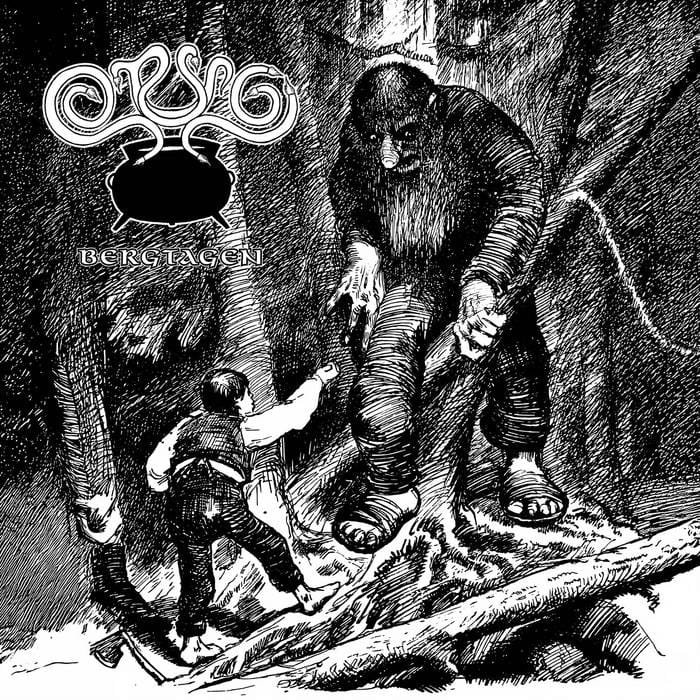
Importancia histórica: Considero este demo como el «Big Bang» del folk metal rural sueco. En un momento donde el Black Metal dominaba Escandinavia, Otyg emergió con una propuesta acústica y rústica que desconcertó a muchos.
Experimentación sonora: Aquí no hay pretensiones. Es la voz ruda de Vintersorg entrelazada con guitarras que parecen sacadas de una taberna medieval. La calidad de grabación es precaria, pero esa suciedad le otorga un aura mística.
Evolución: Es el punto de partida donde la banda definió que no usarían inglés; el sueco sería su única lengua, reforzando su identidad nacionalista cultural.
«I Trollskogens Drömmande Mörker« (Demo, 1996)
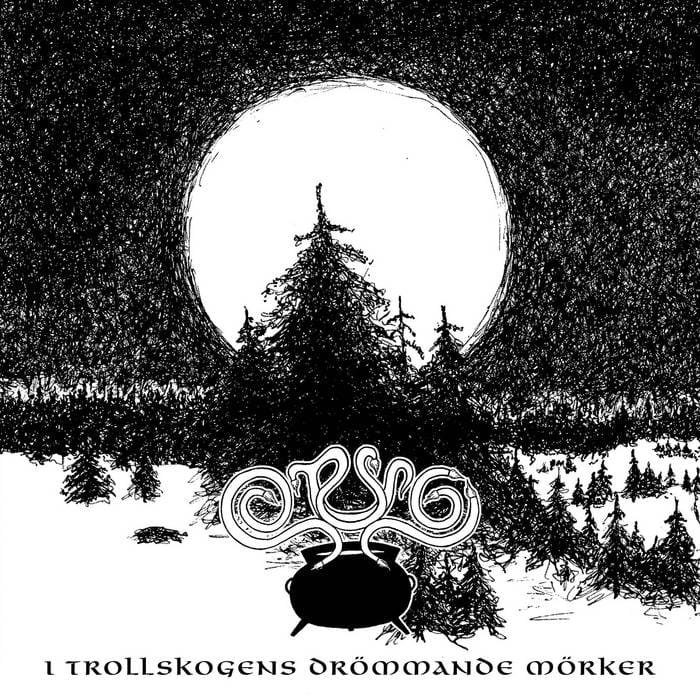
Importancia histórica: En mi opinión, este demo es superior a muchos discos de estudio de bandas contemporáneas. Aquí la banda comenzó a ganar tracción en el underground europeo.
Experimentación sonora: El violín de Cia Hedmark toma un protagonismo absoluto, transformando el sonido de una banda de metal en una verdadera orquesta de folk campesino. La estructura de las canciones se vuelve más cíclica, emulando las danzas tradicionales.
Evolución: Se nota un salto en la confianza vocal de Andreas, alejándose de los gruñidos para perfeccionar ese registro limpio y potente que lo haría famoso.
«Galdersånger» (Demo, 1997)
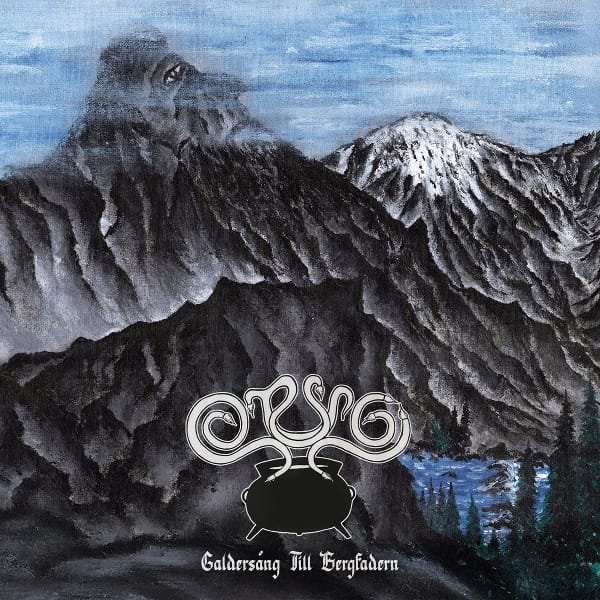
Importancia histórica: Es el lanzamiento de transición definitivo. Gracias a este demo, el prestigioso sello Napalm Records puso sus ojos en ellos.
Experimentación sonora: Noto una mayor presencia de la guitarra eléctrica, pero tratada con una distorsión orgánica, casi «lanuda», que no tapa los instrumentos tradicionales.
Evolución: Es el preludio de su debut. Las canciones aquí presentadas ya muestran la madurez compositiva necesaria para dar el salto al formato de larga duración.
II. Las obras maestras (Álbumes de estudio)
«Älvefärd» (1998)
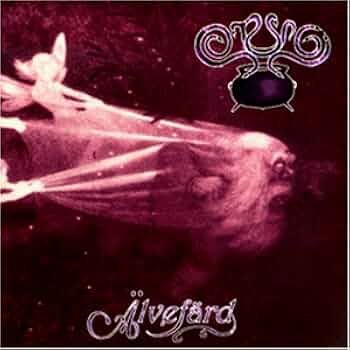
Análisis Personal: Este disco es, para mí, el corazón de Otyg. Cuando escuché por primera vez la pista de apertura, «Huldran», supe que estaba ante algo especial. «Älvefärd» no intenta ser «metal con flautas»; es música folclórica interpretada con la intensidad del metal. Las guitarras rítmicas siguen patrones de danza sueca (polska), y la interacción entre la voz de Stanne (invitado en ocasiones) y Hedmark crea una atmósfera de cuento de hadas oscuro.
Evaluación Crítica y Recepción: En 1998, la crítica fue unánime: Otyg había creado algo fresco. Revistas como Rock Hard y Metal Hammer elogiaron la autenticidad del grupo. Frente a bandas que usaban sintetizadores para imitar el folklore, Otyg fue aplaudido por su honestidad acústica. Sin embargo, los sectores más conservadores del Black Metal los tildaron de «demasiado alegres».
Datos Curiosos y Canciones Clave:
Canciones clave: «Trollslottet», «Älvefärd».
Dato curioso: El título del álbum se traduce como «El viaje de los elfos» y muchas de las letras están basadas en poemas tradicionales y leyendas rurales de la región de Skellefteå.
«Sagovindars boning» (1999)
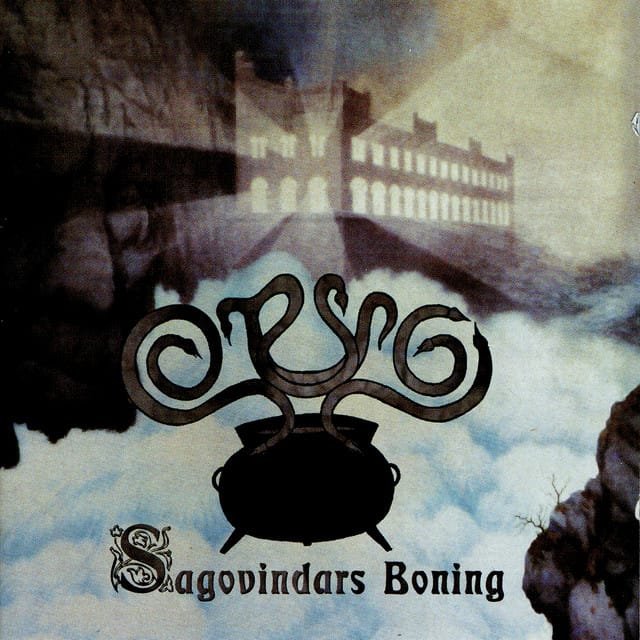
Análisis Personal: Si el debut era la celebración en el bosque, «Sagovindars boning» es la reflexión junto al fuego. Noto un sonido mucho más refinado, casi pastoral. La producción es cristalina, permitiendo que cada cuerda del violín y cada inflexión de la voz de Andreas resplandezca. Es un disco más corto, pero más denso emocionalmente. Personalmente, considero que temas como «Galdersång» representan el pináculo de la capacidad de Vintersorg para crear melodías memorables.
Evaluación Crítica y Recepción: La recepción fue excelente, aunque algunos fans echaron de menos la aspereza rústica del primer disco. La crítica valoró positivamente la incorporación de elementos de rock progresivo sutiles en las estructuras. Fue visto como el paso lógico hacia una madurez artística que, lamentablemente, se vería interrumpida poco después.
Datos Curiosos y Canciones Clave:
Canciones clave: «Hjärtans Gyllene Tårar», «När Älvorna Dansar».
Dato curioso: Fue grabado en los famosos estudios The Abyss de Peter Tägtgren, lo cual es irónico dada la naturaleza purista de la banda frente al sonido industrial/death de dicho estudio.
«Djävulen» (Material Inédito/Transición, 2002)
Importancia histórica: Tras la disolución de la banda debido al éxito masivo de los otros proyectos de Vintersorg (Borknagar y su carrera solista), quedaron varias canciones en el tintero destinadas a un tercer disco llamado «Djävulen».
Experimentación sonora: Lo poco que se ha filtrado o lanzado en recopilaciones muestra un sonido mucho más oscuro, casi volviendo a las raíces del metal extremo pero manteniendo el violín melancólico.
Evolución: Representa el fin de una era. Es el testimonio de lo que pudo ser el «Blackened Folk» definitivo antes de que el género se saturara de parodias.
III. Contexto histórico: El renacimiento del norte
Para entender a Otyg, debemos situarnos en la Suecia de mediados de los 90. Tras el incendio de iglesias y la violencia del Inner Circle noruego, la escena del metal extremo entró en una fase de introspección. En Suecia, bandas como Dissection o In Flames ya estaban consolidando sus sonidos, pero existía una corriente subterránea que buscaba recuperar el orgullo cultural sin caer en panfletos políticos.
Otyg emergió en el momento justo en que el «Sonido de Gotemburgo» se volvía comercial y el Black Metal se volvía sinfónico. Ellos ofrecieron una alternativa: el Folk Metal de raíz. En este periodo, Suecia vivía un renacimiento del folklore musical con grupos como Hedningarna o Garmarna, y Otyg fue el puente que conectó a esos músicos tradicionales con la juventud metalera. A mi juicio, su papel fue vital para desmitificar que el metal extremo solo podía hablar de Satanás o la muerte; ellos demostraron que los trolls y los bosques eran igual de oscuros y mucho más cercanos a su realidad geográfica.
IV. Comparación con bandas contemporáneas
Influencias claras: El sonido de Otyg no existiría sin la influencia de bandas de folk sueco puro como Hedningarna. También noto una deuda compositiva con el trabajo de Storm (el proyecto de Fenriz y Satyr) e incluso con los pasajes acústicos de Bathory en su etapa vikinga.
Coetáneos: En su época, compartían escena con Månegarm y Falconer. Sin embargo, mientras Månegarm se inclinaba más por el Black Metal guerrero, Otyg se mantenía en una línea más romántica y tradicionalista. En Alemania, Falkenbach exploraba territorios similares, pero con un enfoque mucho más solitario y místico.
Herederos: Hoy en día, bandas como Finntroll o Korpiklaani han llevado el folk metal a las masas, pero a menudo perdiendo esa seriedad rústica que Otyg poseía. No obstante, herederos espirituales como los suecos Grimner o incluso los primeros trabajos de Lumsk en Noruega, han sabido mantener esa elegancia melódica que Andreas Hedlund perfeccionó a finales de los 90.
V. Conclusión crítica
El balance global de la discografía de Otyg es de una brevedad desgarradora pero de una intensidad inigualable. En apenas dos álbumes y tres demos, lograron capturar la esencia de la naturaleza sueca de una forma que pocas bandas han conseguido repetir. La evolución artística de la banda, pasando de la suciedad rústica de las demos a la sofisticación de «Sagovindars boning», demuestra que el folk metal no tiene por qué ser chabacano o festivo; puede ser una expresión artística profunda y respetuosa.
Su importancia dentro del metal extremo reside en su capacidad de «extremanizar» el folklore a través de la interpretación y la voz, más que por la distorsión pura. Otyg sigue vigente porque no siguieron modas; su música es atemporal. Cada vez que un fan del metal busca una conexión real con las leyendas del norte, termina volviendo a la voz de barítono de Vintersorg y al violín de Cia. Son, y siempre serán, los guardianes del bosque sueco.
Valoración de la discografía:
9.5 / 10
Destacados de la discografía:
Disco más influyente: «Älvefärd» (1998)
Disco definitivo: «Sagovindars boning» (1999)
Disco más infravalorado: «I trollu munn» (Demo, 1996)
Discovering Otyg was, for me, a turning point. While most bands of the era chased extreme speed or symphonic grandiosity, this Swedish group chose to look inward, toward the roots of the forest and tales of trolls. Led by the unique baritone voice of Vintersorg and complemented by Cia Hedmark’s violin, Otyg didn’t just make music; they invoked a forgotten era.
In this article, I analyze their legacy, from their primal demos to their definitive albums, evaluating the impact of a project that, despite its brevity, remains a compass for many current projects seeking folk authenticity within metal.
I. The foundations of folklore (Demos and formation)
«Bergtagen» (Demo, 1995)
Historical Importance: I consider this demo the «Big Bang» of Swedish rural folk metal. At a time when Black Metal dominated Scandinavia, Otyg emerged with an acoustic and rustic proposal that baffled many.
Sonic Experimentation: There are no pretenses here. It is Vintersorg‘s rugged voice intertwined with guitars that sound like they were pulled from a medieval tavern. The recording quality is precarious, but that filth grants it a mystical aura.
Evolution: This is the starting point where the band decided they would not use English; Swedish would be their only language, reinforcing their cultural nationalist identity.
«I Trollskogens Drömmande Mörker» (Demo, 1996)
Historical Importance: In my opinion, this demo is superior to many studio albums by contemporary bands. Here, the band began to gain traction in the European underground.
Sonic Experimentation: Cia Hedmark’s violin takes absolute center stage, transforming the sound of a metal band into a true peasant folk orchestra. The song structures become more cyclic, emulating traditional dances.
Evolution: A leap in Andreas’s vocal confidence is evident, moving away from growls to perfect the powerful clean register that would make him famous.
«Galdersånger» (Demo, 1997)
Historical Importance: This is the definitive transition release. Thanks to this demo, the prestigious label Napalm Records set their sights on them.
Sonic Experimentation: I notice a greater presence of the electric guitar, but treated with an organic, almost «woolly» distortion that does not drown out the traditional instruments.
Evolution: The prelude to their debut. The songs presented here already show the compositional maturity necessary to make the jump to the full-length format.
II. The masterpieces (Studio albums)
«Älvefärd» (1998)
Personal Analysis: This album is, for me, the heart of Otyg. When I first heard the opening track, «Huldran», I knew I was witnessing something special. «Älvefärd» doesn’t try to be «metal with flutes»; it is folk music performed with the intensity of metal. The rhythmic guitars follow Swedish dance patterns (polska), and the interaction between the vocals creates a dark fairy-tale atmosphere.
Critical Evaluation and Reception: In 1998, the critics were unanimous: Otyg had created something fresh. Magazines like Rock Hard and Metal Hammer praised the group’s authenticity. Compared to bands using synthesizers to mimic folklore, Otyg was applauded for its acoustic honesty. However, the more conservative sectors of Black Metal branded them «too happy.»
Key Songs: «Trollslottet», «Älvefärd».
Fact: The album title translates to «The Journey of the Elves,» and many lyrics are based on traditional poems and rural legends from the Skellefteå region.
«Sagovindars boning» (1999)
Personal Analysis: If the debut was a celebration in the woods, «Sagovindars boning» is a reflection by the fire. I notice a much more refined, almost pastoral sound. The production is crystal clear, allowing every violin string and every inflection of Andreas’s voice to shine. It is a shorter album but emotionally denser. Personally, I believe tracks like «Galdersång» represent the pinnacle of Vintersorg‘s ability to create memorable melodies.
Critical Evaluation and Reception: The reception was excellent, although some fans missed the rustic roughness of the first record. Critics valued the incorporation of subtle progressive rock elements. It was seen as the logical step toward an artistic maturity that, unfortunately, would be cut short shortly after.
Key Songs: «Hjärtans Gyllene Tårar», «När Älvorna Dansar».
Fact: It was recorded at Peter Tägtgren‘s famous The Abyss studios, which is ironic given the band’s purist nature compared to the industrial/death sound of that studio.
«Djävulen» (Unreleased Material/Transition, 2002)
Historical Importance: After the band dissolved due to the massive success of Vintersorg‘s other projects (Borknagar and his solo career), several songs intended for a third album called «Djävulen» remained in the pipeline.
Sonic Experimentation: The little that has leaked or been released in compilations shows a much darker sound, almost returning to extreme metal roots while maintaining the melancholic violin.
Evolution: It represents the end of an era—the testimony of what could have been the definitive «Blackened Folk» before the genre became saturated with parodies.
III. Historical context: The northern renaissance
To understand Otyg, we must place ourselves in mid-90s Sweden. Following the church burnings and violence of the Norwegian Inner Circle, the extreme metal scene entered a phase of introspection. In Sweden, bands like Dissection or In Flames were already consolidating their sounds, but there was an underground current seeking to reclaim cultural pride without falling into political pamphlets.
Otyg emerged just as the «Gothenburg Sound» was becoming commercial and Black Metal was turning symphonic. They offered an alternative: root Folk Metal. During this period, Sweden was experiencing a folk music revival with groups like Hedningarna or Garmarna, and Otyg was the bridge connecting those traditional musicians to metal youth. In my view, their role was vital in debunking the myth that extreme metal could only speak of Satan or death; they proved that trolls and forests were just as dark and much closer to their geographical reality.
IV. Comparison with contemporary bands
Clear Influences: Otyg‘s sound would not exist without the influence of pure Swedish folk bands like Hedningarna. I also notice a compositional debt to the work of Storm (the Fenriz and Satyr project) and even to the acoustic passages of Bathory in their Viking stage.
Contemporaries: In their time, they shared the scene with Månegarm and Falconer. However, while Månegarm leaned more toward warrior Black Metal, Otyg remained in a more romantic and traditionalist vein. In Germany, Falkenbach explored similar territories but with a much more solitary and mystical approach.
Heirs: Today, bands like Finntroll or Korpiklaani have brought folk metal to the masses, but often losing that rustic seriousness that Otyg possessed. Nonetheless, spiritual heirs like Sweden’s Grimner or even the early works of Lumsk in Norway have managed to maintain that melodic elegance that Andreas Hedlund perfected in the late 90s.
V. Critical conclusion
The overall balance of Otyg‘s discography is one of heartbreaking brevity but unmatched intensity. In just two albums and three demos, they managed to capture the essence of Swedish nature in a way few bands have repeated. The band’s artistic evolution, moving from the rustic grime of the demos to the sophistication of «Sagovindars boning», proves that folk metal doesn’t have to be tacky or festive; it can be a deep and respectful artistic expression.
Their importance within extreme metal lies in their ability to «extremize» folklore through performance and vocals rather than pure distortion. Otyg remains relevant because they didn’t follow trends; their music is timeless. Whenever a metal fan seeks a real connection with Northern legends, they end up returning to Vintersorg’s baritone and Cia’s violin. They are, and always will be, the guardians of the Swedish forest.
Discography Rating: 9.5 / 10
Discography Highlights:
Most Influential Album: Älvefärd (1998)
Definitive Album: Sagovindars boning (1999)
Most Underrated Release: I trollu munn (Demo, 1996)