





(English Below)
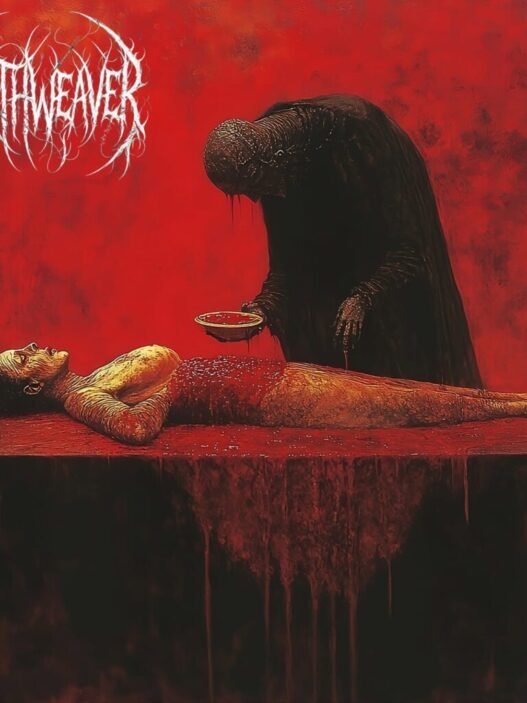
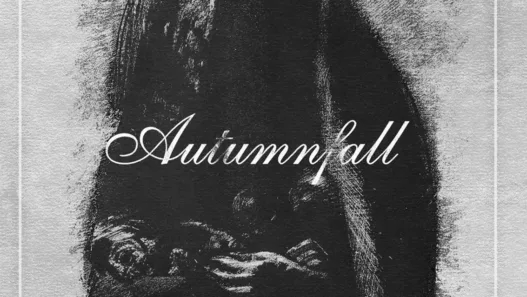
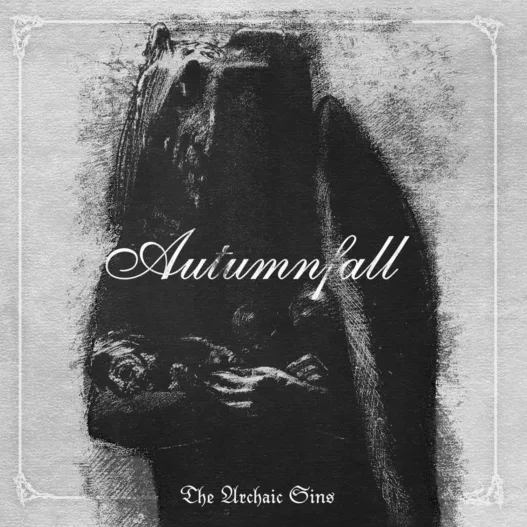
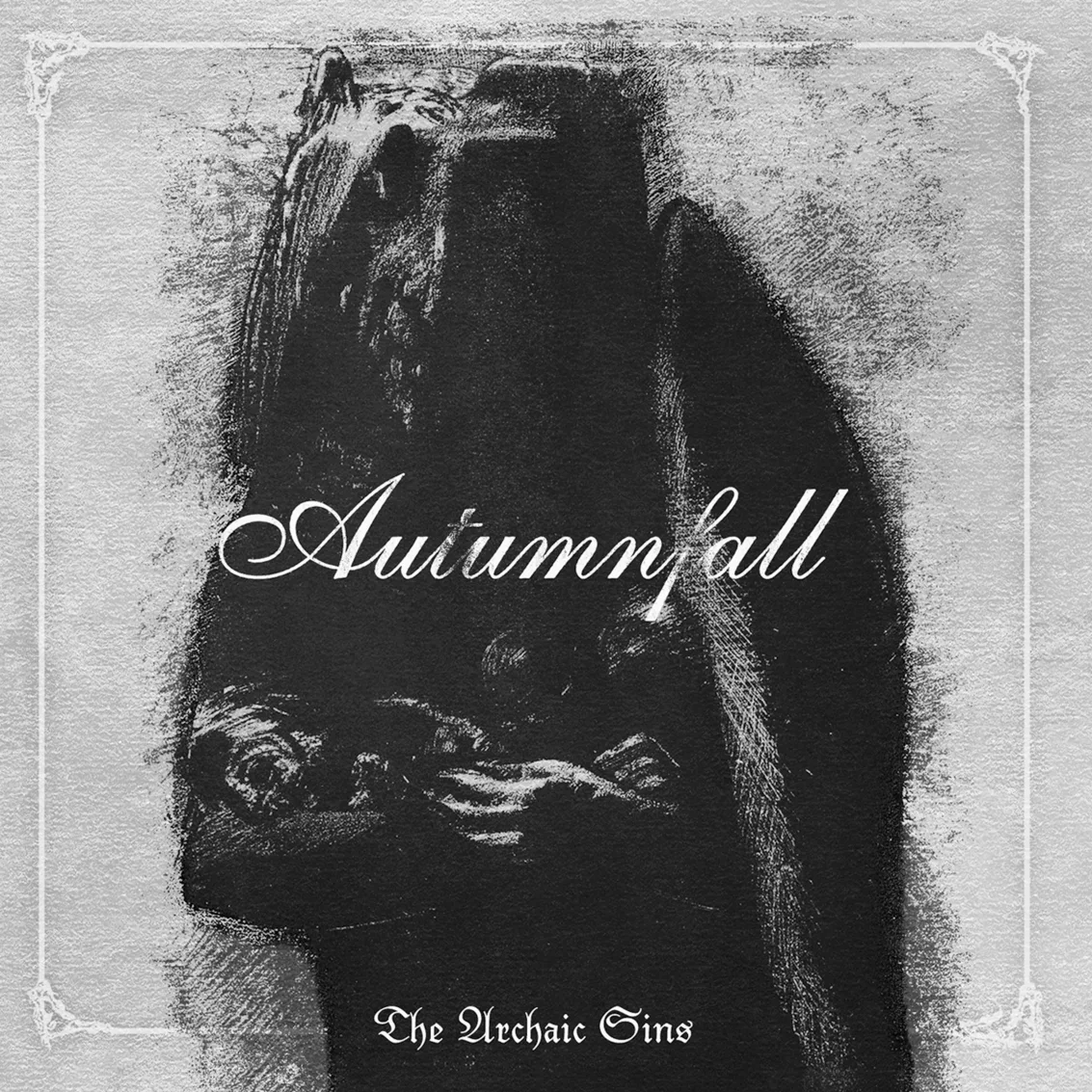
Hay un abismo ontológico entre la arqueología y la taxidermia. Mientras que la segunda se limita a disecar un cadáver para exhibirlo con ojos de cristal bajo la luz halógena de la nostalgia, la primera excava en el sedimento temporal para comprender qué arquitectura sostenía una civilización perdida. Cuando un músico decide abrir sus archivos de finales de los años noventa, el riesgo de caer en el embalsamamiento sonoro es altísimo. Sin embargo, al sumergirme en los surcos digitales de «The Archaic Sins», cuarto larga duración de los finlandeses Autumnfall, la sensación no es la de contemplar una pieza de museo, sino la de observar cómo unas semillas hibernadas bajo el permafrost escandinavo germinan veinticinco años después con una fisiología inesperadamente vigorosa.
Ficha Técnica
Artista: Autumnfall
Álbum: «The Archaic Sins»
Sello: Ardua Music
Fecha de lanzamiento: 25 de septiembre de 2026
Género: Melodic Black Metal / Dark Metal
Para fans de: Fall of the Leafe, Throes of Dawn, Rapture, Sacramentum
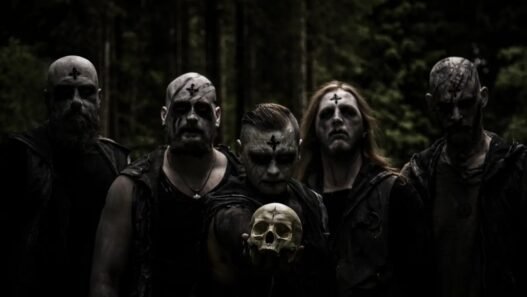
Para entender la genética de este disco es indispensable mirar hacia Uusikaupunki y recordar el papel de Jussi Hänninen como arquitecto compositivo de Fall of the Leafe entre 1996 y 2007. Aquella formación encarnó como pocas esa mutación tan propia de la escena finlandesa de cambio de siglo: bandas que partían de la hostilidad del black y el death metal melódico para mutar hacia un dark metal crepuscular, elegante y profundamente melancólico. Tras fundar Autumnfall en 2019 junto al vocalista Tero Ruohonen y entregar una trilogía inicial compuesta por «Ghosts of Light» (2021), «Bleak» (2022) y «The Archaic Shadows» (2024), Hänninen radicaliza aquí su premisa de rescate histórico. De los ocho cortes que conforman el álbum, siete fueron concebidos originalmente entre 1998 y 2001, quedando únicamente una composición de cuño reciente.
La prensa especializada que ha cubierto los adelantos y la escucha exclusiva del disco ha tendido a celebrar esta decisión bajo el prisma romántico del «retorno a la edad dorada del sonido finlandés». Es una lectura cómoda, casi automática, pero insuficiente. Si nos quedamos en el aplauso nostálgico pasamos por alto la verdadera tensión dialéctica que atraviesa la obra: la fricción entre una escritura adolescente o veinteañera -impulsiva, cargada de contrapuntos barrocos y cambios de ritmo abruptos- y la ejecución de un músico maduro que ya no necesita saturar el espectro de frecuencias para demostrar destreza.
Desde los primeros compases de «Halo In Utopia», queda patente que Hänninen ha renunciado a la pared de sonido hermética que domina el metal extremo contemporáneo. La mezcla respira. Las guitarras no buscan el impacto subsónico ni el recorte quirúrgico en los medios-graves que caracteriza al metal moderno; por el contrario, presentan una ganancia controlada, casi granulada, donde el grano de la distorsión permite discernir cada intervalo de tercera y sexta menor. Este tratamiento tímbrico es crucial para que el entramado contrapuntístico funcione. En «Lightless Depths», las dos líneas de guitarra dialogan mediante un movimiento contrario continuo; mientras una traza un arpegio descendente en registro agudo, la otra sostiene la armonía con un tremolo picking.
Esa contención en los agudos evita la fatiga auditiva y otorga al conjunto una pátina otoñal, más cercana a la calidez analógica de los estudios Tico-Tico de finales de los noventa que a la frialdad digital actual. La masterización de Jasse Kesti en Kesthouse Studio juega un papel determinante en esta micro-dinámica: el rango dinámico no ha sido aplastado contra el techo del limitador. Cuando la batería entra tras un pasaje acústico o cuando el bajo reclama protagonismo en el tercio medio de «Dark Goddess», se percibe un desplazamiento físico real del aire, un golpe de caja con cola natural y un bombo definido por su pegada.
Resulta fascinante observar cómo la estructura interna de estas canciones desafía la ortodoxia del songwriting actual. En el metal melódico contemporáneo suele imperar la dictadura del estribillo y la simetría modular. Las composiciones de 1998-2001 que Hänninen desentierra en «Mists of Eternity» obedecen a una lógica más rapsódica, casi narrativa. Los riffs no se repiten por inercia estructural, sino que mutan orgánicamente, encadenándose mediante puentes rítmicos donde la síncopa y los acentos desplazados rompen la linealidad del blast beat o el galope tradicional. No hay grandes gestos teatrales ni clímax artificiales diseñados para el algoritmo; hay flujo constante.
En el plano vocal, Tero Ruohonen ejerce de contrapeso áspero frente a la exuberancia melódica de las seis cuerdas. Su registro se sitúa en un shriek rasgado de rango medio, sin caer en los excesos guturales del death metal ni en el histrionismo agudo del black metal noruego ortodoxo. Su colocación en la mezcla es ligeramente retraída, integrada como un instrumento más dentro del tejido armónico en lugar de imponerse como protagonista absoluto. En «Crystal Skies», la cadencia de su fraseo sigue el contorno rítmico de las guitarras rítmicas, reforzando la sensación de urgencia contenida y dotando a los textos de una gravitas declamatoria que encaja con la estética lírica de melancolía pagana y desarraigo existencial propia de la casa.
Sin embargo, el rigor crítico obliga a señalar las grietas de este planteamiento arqueológico. El propio concepto del disco -rescatar material de una horquilla temporal tan concreta- impone un techo estilístico que por momentos bordea la endogamia. Al llegar al ecuador con «Pulse», la fórmula basada en la superposición incesante de melodías entrelazadas empieza a mostrar cierta previsibilidad dinámica. La ausencia de pasajes verdaderamente abrasivos o de rupturas tonales radicales hace que la transición hacia «The Blind Brother» se sienta excesivamente homogénea. Si bien la destreza en los arreglos evita el tedio, el álbum se beneficia de una paleta emocional acotada: oscila entre la nostalgia luminosa y la amargura estoica, pero rara vez se atreve a descender al abismo de la disonancia pura o la hostilidad cruda que el etiqueta «black metal» sugiere sobre el papel.
Asimismo, el hecho de que solo exista una composición completamente nueva en todo el minutaje plantea una incógnita legítima sobre el futuro creativo del proyecto. Frente a «The Archaic Shadows», donde ya se percibía este ejercicio de mirada retrospectiva, «The Archaic Sins» suena más cohesionado a nivel de producción y más refinado en sus transiciones,pero también confirma que Autumnfall opera hoy más como un laboratorio de restauración de lujo que como una entidad proyectada hacia vanguardias desconocidas. Cuando la pieza final, «The Timeless Kin», cierra el telón con esa cadencia majestuosa y elegíaca que sintetiza todo el ideario de Hänninen, la sensación es de plena satisfacción estética, pero también de haber asistido a la culminación de un ciclo que difícilmente admitirá una tercera entrega bajo idéntica premisa sin riesgo de agotamiento.
Puntuación: 8.2 / 10
En definitiva, «The Archaic Sins» es una lección de oficio, gusto armonioso y respeto por una estirpe sonora que definió una época irrepetible en Finlandia. No pretende revolucionar el metal extremo ni falta que le hace; su virtud reside en demostrar que una buena arquitectura melódica, liberada de las modas de producción transitorias, posee una vigencia imperturbable. Un trabajo honesto, texturizado y elegante al que solo le falta una dosis mayor de riesgo y ruptura en su tramo central para alcanzar la excelencia absoluta.
Tracklist
«Halo In Utopia»
«Lightless Depths»
«Dark Goddess»
«Mists of Eternity»
«Crystal Skies»
«Pulse»
«The Blind Brother»
«The Timeless Kin»
Formación
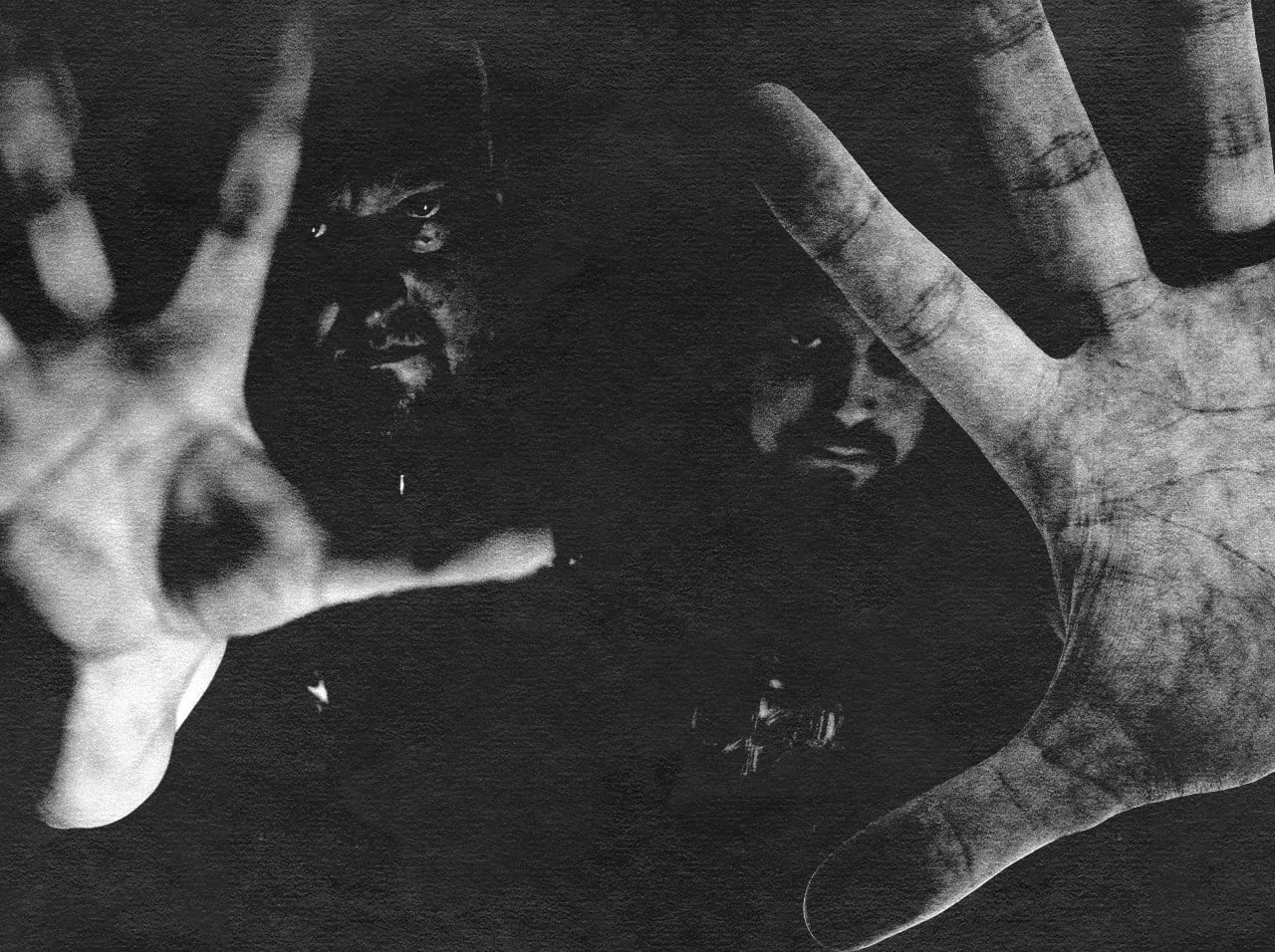
Jussi Hänninen: Guitarras, bajo, teclados y programación / composición integral
Tero Ruohonen: Voces y letras
Multimedia
https://youtu.be/utWEWN_OUP0?si=fupFjFSN872YAHUO
Redes sociales
Bandcamp: https://autumnfall19.bandcamp.com/
Facebook: https://www.facebook.com/autumnfallband/
There is an ontological abyss between archaeology and taxidermy. While the latter is limited to dissecting a corpse to exhibit it with glass eyes under the halogen light of nostalgia, the former excavates into the temporal sediment to understand what architecture sustained a lost civilization. When a musician decides to open their archives from the late nineties, the risk of falling into sonic embalming is extremely high. However, as I immerse myself in the digital grooves of «The Archaic Sins», the fourth full-length album by Finland’s Autumnfall, the sensation is not that of contemplating a museum piece, but rather of watching seeds hibernating beneath the Scandinavian permafrost germinate twenty-five years later with unexpectedly vigorous physiology.
To understand the genetics of this record, it is essential to look toward Uusikaupunki and remember Jussi Hänninen‘s role as the compositional architect of Fall of the Leafe between 1996 and 2007. That formation embodied, like few others, that mutation so characteristic of the turn-of-the-century Finnish scene: bands that started from the hostility of black and melodic death metal to mutate toward a crepuscular, elegant, and deeply melancholic dark metal. After founding Autumnfall in 2019 alongside vocalist Tero Ruohonen and delivering an initial trilogy composed of «Ghosts of Light» (2021), «Bleak» (2022), and «The Archaic Shadows» (2024), Hänninen radicalizes his premise of historical rescue here. Of the eight tracks that make up the album, seven were originally conceived between 1998 and 2001, leaving only a single recently minted composition.
The specialized press that has covered the advance tracks and the exclusive listening sessions of the album has tended to celebrate this decision under the romantic prism of a «return to the golden age of the Finnish sound.» It is a comfortable, almost automatic reading, but insufficient. If we stay within the nostalgic applause, we miss the true dialectical tension that runs through the work: the friction between teenage or twenties writing -impulsive, laden with baroque counterpoints and abrupt rhythm changes- and the execution of a mature musician who no longer needs to saturate the frequency spectrum to demonstrate prowess.
From the opening bars of «Halo In Utopia», it becomes evident that Hänninen has renounced the hermetic wall of sound that dominates contemporary extreme metal. The mix breathes. The guitars do not seek subsonic impact nor the surgical cutting in the low-mids that characterizes modern metal; on the contrary, they feature a controlled, almost granular gain, where the grain of the distortion allows every minor third and sixth interval to be discerned. This timbral treatment is crucial for the counterpoint framework to function. In «Lightless Depths», the two guitar lines converse through continuous contrary motion; while one traces a descending arpeggio in the high register, the other sustains the harmony with tremolo picking.
This restraint in the highs avoids auditory fatigue and grants the whole an autumnal patina, closer to the analog warmth of Tico-Tico studios in the late nineties than to current digital coldness. Jasse Kesti’s mastering at Kesthouse Studio plays a decisive role in this micro-dynamics: the dynamic range has not been crushed against the ceiling of the limiter. When the drums enter after an acoustic passage or when the bass claims prominence in the middle third of «Dark Goddess», a real physical displacement of the air is perceived, a snare hit with a natural tail and a kick drum defined by its punch.
It is fascinating to observe how the internal structure of these songs defies the orthodoxy of current songwriting. In contemporary melodic metal, the dictatorship of the chorus and modular symmetry usually reigns. The 1998–2001 compositions that Hänninen unearths in «Mists of Eternity» obey a more rhapsodic, almost narrative logic. The riffs are not repeated out of structural inertia, but mutate organically, chaining together through rhythmic bridges where syncopation and displaced accents break the linearity of the blast beat or the traditional gallop. There are no grand theatrical gestures or artificial climaxes designed for the algorithm; there is a constant flow.
On the vocal front, Tero Ruohonen acts as a harsh counterweight to the melodic exuberance of the six strings. His register is situated in a raspy mid-range shriek, avoiding the guttural excesses of death metal and the high-pitched histrionics of orthodox Norwegian black metal. His placement in the mix is slightly recessed, integrated as just another instrument within the harmonic fabric rather than imposing himself as the absolute protagonist. In «Crystal Skies», the cadence of his phrasing follows the rhythmic contour of the rhythm guitars, reinforcing the sense of contained urgency and endowing the lyrics with a declamatory gravitas that fits with the house’s lyrical aesthetic of pagan melancholy and existential rootlessness.
However, critical rigor compels us to point out the cracks in this archaeological approach. The very concept of the album -rescuing material from such a specific temporal window- imposes a stylistic ceiling that at times borders on endogamy. Reaching the midpoint with «Pulse», the formula based on the incessant superposition of interwoven melodies begins to show a certain dynamic predictability. The absence of truly abrasive passages or radical tonal ruptures makes the transition to «The Blind Brother» feel excessively homogeneous. While the dexterity in the arrangements avoids tedium, the album benefits from a constrained emotional palette: it oscillates between luminous nostalgia and stoic bitterness, but rarely dares to descend into the abyss of pure dissonance or raw hostility that the «black metal» label suggests on paper.
Likewise, the fact that there is only one completely new composition across the entire running time raises a legitimate question about the creative future of the project. Compared to «The Archaic Shadows», where this exercise in retrospective gazing was already perceptible, «The Archaic Sins» sounds more cohesive at the production level and more refined in its transitions, but it also confirms that Autumnfall operates today more as a luxury restoration laboratory than as an entity projected toward unknown avant-gardes. When the final piece, «The Timeless Kin», lowers the curtain with that majestic and elegiac cadence that synthesizes all of Hänninen‘s ideology, the sensation is one of full aesthetic satisfaction, but also of having witnessed the culmination of a cycle that will hardly admit a third installment under the exact same premise without the risk of exhaustion.
Rating: 8.2 / 10
Ultimately, «The Archaic Sins» is a masterclass in craftsmanship, harmonious taste, and respect for a sonic lineage that defined an unrepeatable era in Finland. It does not pretend to revolutionize extreme metal, nor does it need to; its virtue lies in demonstrating that good melodic architecture, liberated from transitory production fads, possesses an undisturbed relevance. An honest, textured, and elegant work that only lacks a greater dose of risk and rupture in its central section to achieve absolute excellence.