







(English Below)
Hay discos que nacen como autopsia de un derrumbe y otros que se escriben cuando ya estás respirando el polvo de la reconstrucción, sin saber muy bien si el aire sirve para algo. «Famine» miraba hacia atrás, a esa fractura vital de principios de década donde el ajuste de cuentas era más urgente que la perspectiva; «Upheaval», en cambio, clava el bisturí en el presente. Stefan Nordström plantea aquí una pregunta incómoda, desprovista de épica de cartón piedra: qué queda de conexión humana, de risa o de sentido cuando el entorno exige representar un papel que nadie pidió interpretar. Ese desplazamiento -sentirse extranjero dentro de la propia rutina y de un mundo cada vez más áspero- atraviesa el álbum como una tensión constante entre el peso de la gravedad y un destello obstinado de supervivencia.
Ficha Técnica
- Artista: Soliloquium
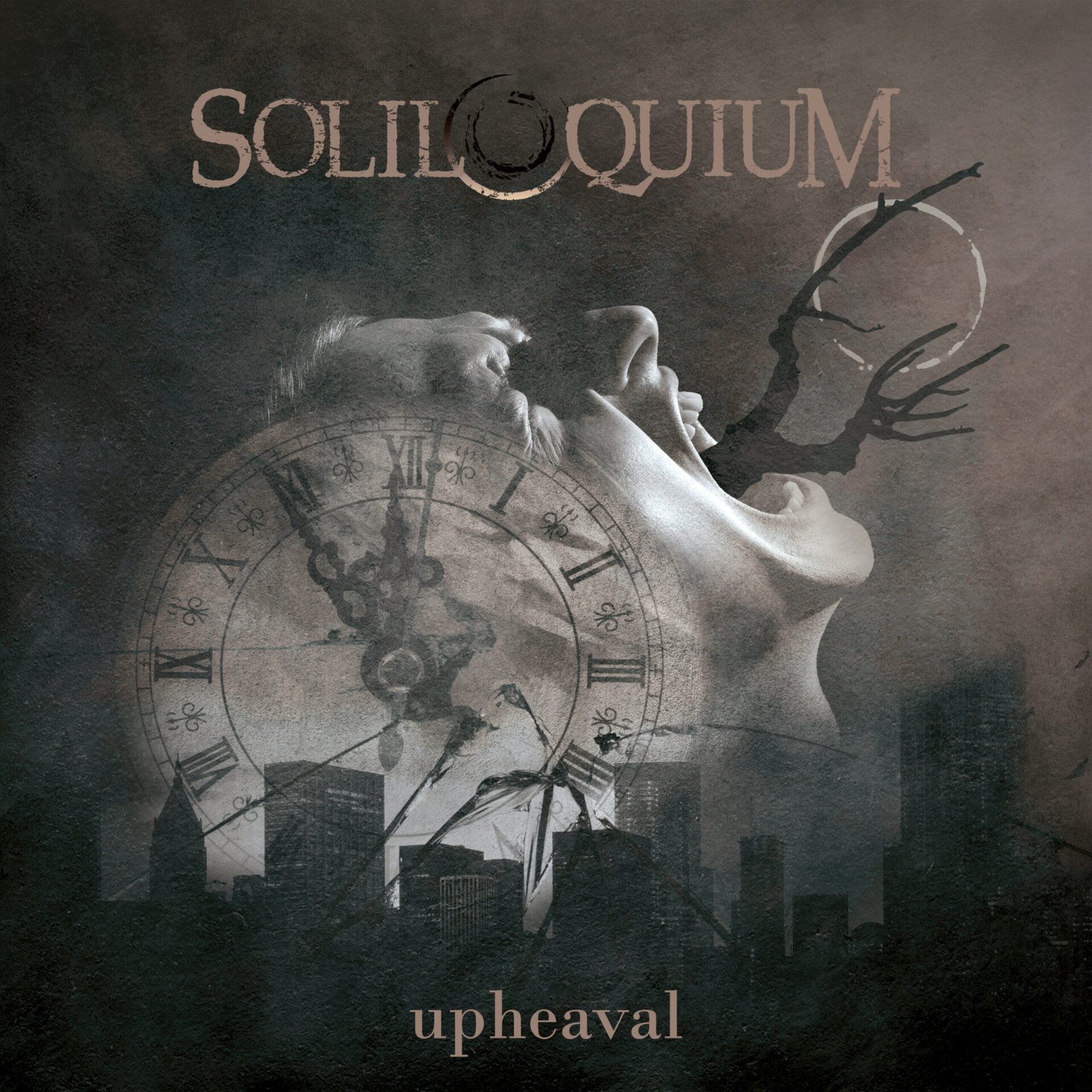
- Álbum: «Upheaval»
- Sello: Meuse Music Records (MMR084)
- Fecha de lanzamiento: 23 de octubre de 2026
- Género: Progressive Death/Doom Metal
- Para fans de: Katatonia, Daylight Dies, Slumber, Decembre Noir
En lo sonoro, el proyecto sueco vuelve a apoyarse en la mezcla y masterización de Jari Lindholm, un arquitecto de sonido que conoce al milímetro cómo dar cuerpo a las frecuencias graves sin ahogar los matices armónicos. La ecualización privilegia una zona media-baja densa y porosa, donde las guitarras rítmicas de Nordström no suenan como un muro digital estéril, sino como madera húmeda o piedra fría bajo presión. El bajo de Henrik Ekholm actúa como ancla estructural y, a la vez, como contrapunto melódico en los tramos más desnudos, mientras la batería de Xines evita la pirotecnia gratuita para administrar el tempo con un pulso contenido, casi respirado, que permite que los silencios y las caídas dinámicas tengan peso físico.
La apertura con «Tightrope» ya marca el pulso de esa cuerda floja entre el golpe seco y el repliegue introspectivo. La presencia vocal de Toni Hatakka en ese arranque aporta un filo adicional a la garganta de Nordström, alternando registros rasgados y graves cavernosos con pasajes más contenidos que abren grietas emocionales sin caer en el dramatismo impostado. A partir de ahí, «Contrarians» endurece el paso con un planteamiento más obstinado y coral -reforzado en el plano vocal por Frédéric Simon, Oliver Palmqvist y el propio Lindholm, además de los coros de Ekholm-, jugando con contrastes de textura que evitan que la pesadez se vuelva monocorde.
Si «Upheaval» funciona como eje conceptual y emocional del repertorio, es precisamente porque no busca resolver la angustia mediante un estallido triunfal. La guitarra solista y los coros de Alessandro Sforza en el tema homónimo amplían el espectro armónico hacia un terreno más melancólico y expansivo, dejando que las melodías respiren antes de que el golpe rítmico vuelva a apretar clavijas. Es en esa dialéctica entre la aspereza del death/doom y la claridad melódica donde el disco muestra su oficio: Nordström sabe cuándo tensar el riff hasta el límite de la fricción y cuándo dejar que una línea limpia o un acorde suspendido sostenga la melancolía.
En la segunda mitad, el álbum se adentra en territorios donde el riesgo reside en perder la inercia. «Livsöden» -con el nombre en sueco subrayando ese vínculo íntimo con el destino vital y la experiencia cotidiana- sostiene el carácter reflexivo con una escritura más contenida, mientras «Family Ties» introduce un giro tímbrico decisivo gracias al clarinete de Vittorio Sabelli. Ese timbre de viento-madera, ligeramente frágil y fuera de lo habitual en el metal extremo, aporta una vulnerabilidad casi camerística que encaja con la idea de desnudar el mundo interior sin recurrir a la conversación literal.«Time Stands Still», elegido como adelanto, apuesta por un pulso más directo y un gancho melódico más inmediato que el promedio del disco, antes de que «Centralia» cierre el recorrido estirando las dinámicas y el aliento compositivo hasta su tramo más extenso.
Tampoco es un trabajo que busque reinventar los cimientos del death/doom progresivo ni sorprender con giros radicales.Lo que ofrece es honestidad de oficio, una producción orgánica que respeta la dinámica natural de los instrumentos y una escritura lírica que prefiere la herida abierta al eslogan consolador. A veces se agradece que un compositor no finja tener todas las respuestas en 2026; otras veces se echa en falta un punto más de filo o de riesgo estructural para que el conjunto alcance cotas memorables de principio a fin.
Un trabajo sólido, honesto y bien articulado en su atmósfera, penalizado por ciertos tramos de contención excesiva y una sensación de continuidad prudente que impide que el conjunto supere el notable bajo.
Tracklist
«Tightrope»
«Contrarians»
«Upheaval»
«Livsöden»
«Family Ties»
«Time Stands Still»
«Centralia»
Formación
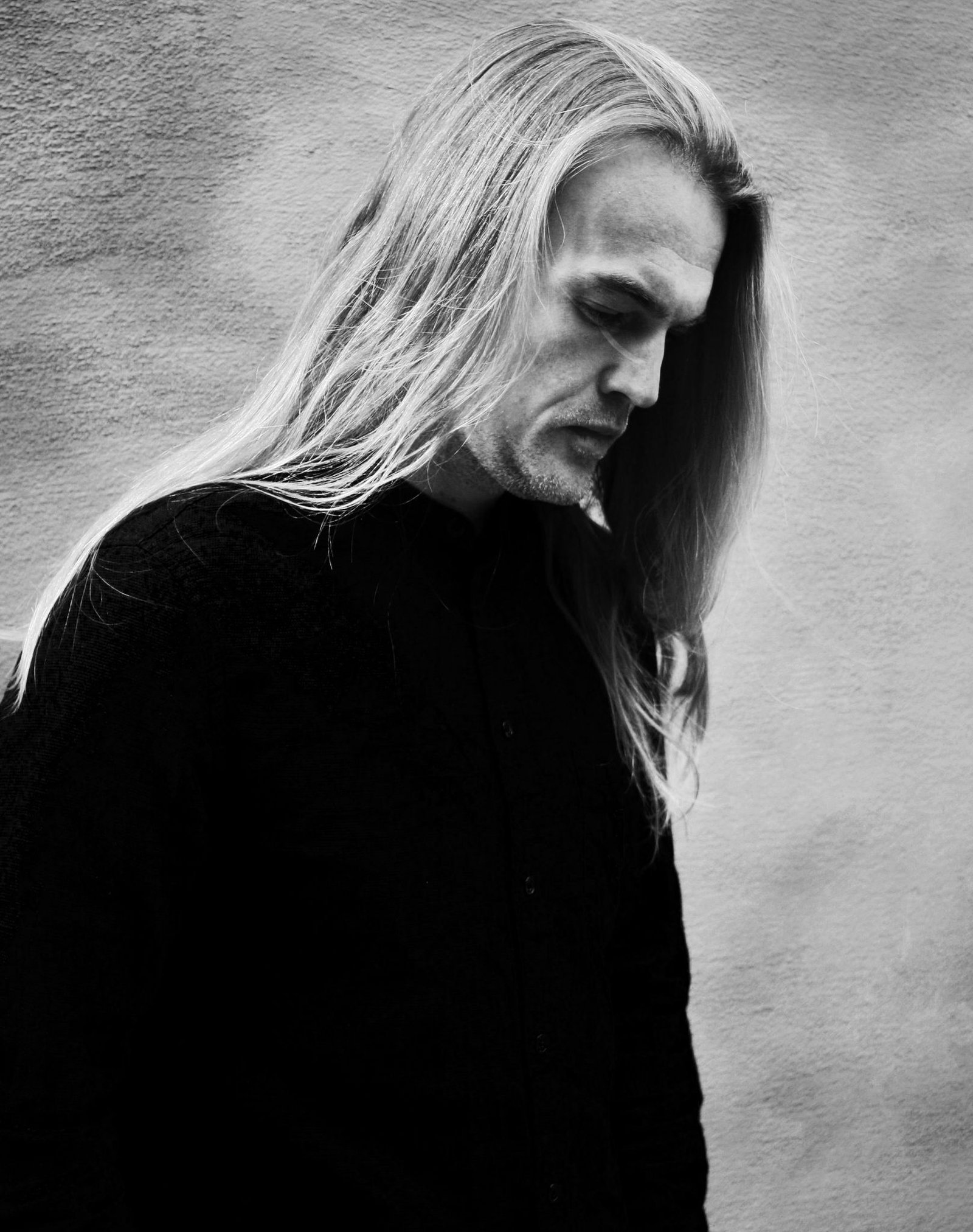
Stefan Nordström: voz, guitarras, composición
Henrik Ekholm: bajo, coros (pistas 2, 4 y 6)
Xines: batería
Colaboraciones e invitados:
Toni Hatakka: voz (pista 1)
Frédéric Simon: coros (pista 2)
Oliver Palmqvist: coros (pista 2), portada del álbum y diseño del libreto
Jari Lindholm: coros (pista 2), mezcla y masterización
Alessandro Sforza: guitarra solista y coros (pista 3)
Vittorio Sabelli: clarinete (pista 5)
Multimedia
Redes sociales
Web oficial / proyecto de Stefan Nordström: https://deathdoom.com/
Bandcamp oficial: https://soliloquium.bandcamp.com/
YouTube (Meuse Music Records – Full Album Stream): https://www.youtube.com/watch?v=gRTCzYQmuLM
Some records are born as an autopsy of a collapse, while others are written when you are already breathing the dust of reconstruction, not quite knowing if the air is good for anything. «Famine» looked backward at that life-altering fracture from the beginning of the decade, where settling scores was more urgent than gaining perspective; «Upheaval», by contrast, sinks the scalpel into the present. Here, Stefan Nordström poses an uncomfortable question, stripped of cardboard-cutout epic grandeur: what remains of human connection, laughter, or meaning when your surroundings demand you play a part no one asked to perform. That displacement -feeling like a stranger inside your own routine and an increasingly harsh world- runs through the album as a constant tension between the weight of gravity and a stubborn flash of survival.
Sonically, the Swedish project once again leans on mixing and mastering by Jari Lindholm, a sound architect who knows down to the millimeter how to give body to low frequencies without drowning out harmonic nuances. The EQ favors a dense, porous lower-midrange where Nordström‘s rhythm guitars don’t sound like a sterile digital wall, but rather like damp wood or cold stone under pressure. Henrik Ekholm‘s bass acts as a structural anchor and, at the same time, a melodic counterpoint in the barer passages, while Xines on drums avoids gratuitous pyrotechnics to meter out the tempo with a restrained, almost breathed pulse that lets silences and dynamic drops carry physical weight.
Opening with «Tightrope» already sets the pulse of that high wire between a dry blow and an introverted pull-back. Toni Hatakka‘s vocal presence at the start adds an extra edge to Nordström‘s throat, alternating raspy deliveries and cavernous lows with more restrained passages that open emotional cracks without falling into put-on theatrics. From there, «Contrarians» hardens the stride with a more stubborn, choral approach -vocally reinforced by Frédéric Simon, Oliver Palmqvist, and Lindholm himself, alongside backing vocals from Ekholm– playing with textural contrasts that keep heaviness from turning monotonous.
If «Upheaval» works as the conceptual and emotional axis of the tracklist, it is precisely because it doesn’t try to resolve anguish through a triumphant explosion. Alessandro Sforza‘s lead guitar and backing vocals on the title track widen the harmonic spectrum into more melancholic, expansive territory, letting melodies breathe before the rhythmic strike tightens the screws again. It is in that dialectic between the roughness of death/doom and melodic clarity that the record shows its craft: Nordström knows when to tension a riff to the edge of friction and when to let a clean line or suspended chord sustain the melancholy.
In the second half, the album steps into territory where the risk lies in losing momentum. «Livsöden»-with its Swedish title underscoring that intimate bond with life’s destiny and everyday experience- sustains the reflective character with more restrained writing, while «Family Ties» introduces a decisive timbral turn thanks to Vittorio Sabelli‘s clarinet. That woodwind timbre, slightly fragile and uncommon in extreme metal, brings an almost chamber-like vulnerability that fits the idea of baring the inner world without resorting to literal conversation. «Time Stands Still», chosen as an advance single, goes for a more direct pulse and a more immediate melodic hook than the record’s average, before «Centralia» closes the journey by stretching dynamics and compositional breath to their longest stretch.
Now, it is worth viewing the record against the light of what has been said in other specialized outlets. Certain reviews have celebrated Upheaval as an exercise in autumnal coherence and incorruptible authenticity for fans of melodic death/doom, while others have pointed out that, given how close it came after Famine, the album tends to fall back on recognizable formulas and more moderate or predictable stretches. Both diagnoses touch real nerves, yet they fall short if you don’t look at what happens when the record lowers its revs: «Upheaval»‘s problem isn’t its fidelity to a language of its own or its rejection of empty bombast, but rather that in a couple of middle passages excessive restraint dilutes rhythmic urgency and stretches certain developments further than the material calls for. When the band tightens the tourniquet or brings in a real contrasting element—like the clarinet on «Family Ties» or the vocal shifts on «Tightrope»—the record takes on a magnetic tension; when it merely manages its usual melancholy without altering the pulse, listening borders at times on comfortable resignation.
Nor is it a work trying to reinvent the foundations of progressive death/doom or surprise with radical twists. What it offers is honesty of craft, an organic production that respects the natural dynamics of the instruments, and lyric writing that prefers an open wound over a comforting slogan. Sometimes it’s appreciated that a songwriter doesn’t pretend to have all the answers in 2026; other times you miss a bit more edge or structural risk for the whole thing to reach truly memorable heights from start to finish.
Score: 6.8 / 10.
A solid, honest work with a well-articulated atmosphere, penalized by certain stretches of excessive restraint and a sense of cautious continuity that keeps the record from rising above a modest high mark.


