





(English Below)
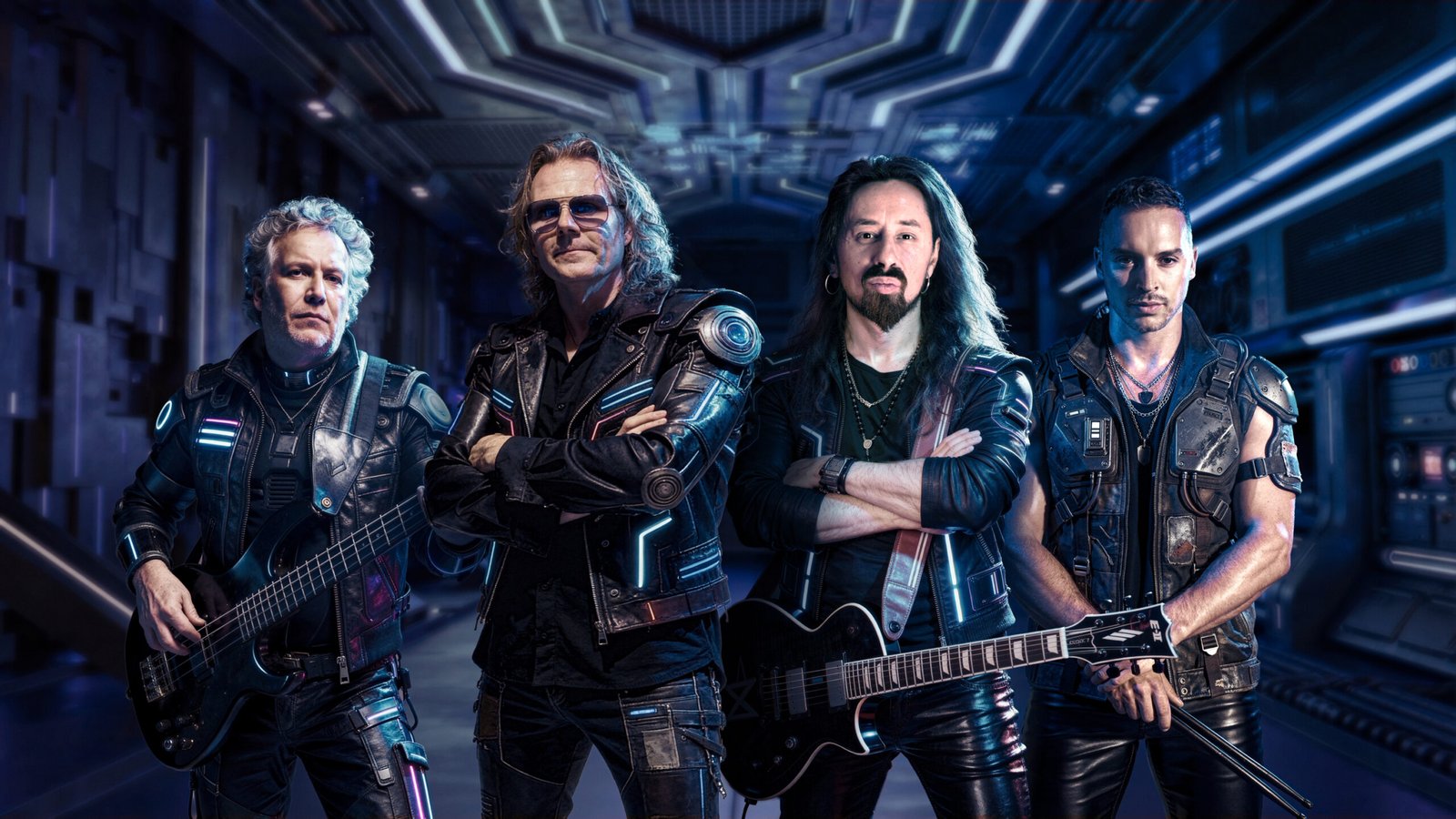
El eje italo-sueco que da forma a Echoid reúne nombres con suficiente recorrido en el circuito europeo como para levantar expectativas antes de que suene el primer compás. A la cabeza de la escritura y el armazón conceptual figura Alberto Rigoni, secundado por Francesco Mattei a las guitarras y a los mandos de la mezcla y masterización, Andrea Zen en la batería y Jonas Erixon al frente de las líneas vocales, con la colaboración puntual de Natalia Sarsgård. Sobre el papel, el cruce entre la escuela melódica nórdica y la tradición de heavy y power metal europeo -con guiños evidentes al linaje de Helloween, Unisonic o Avantasia– apunta hacia un territorio luminoso, expansivo y de estribillos de largo aliento.
Ficha Técnica
Artista: Echoid
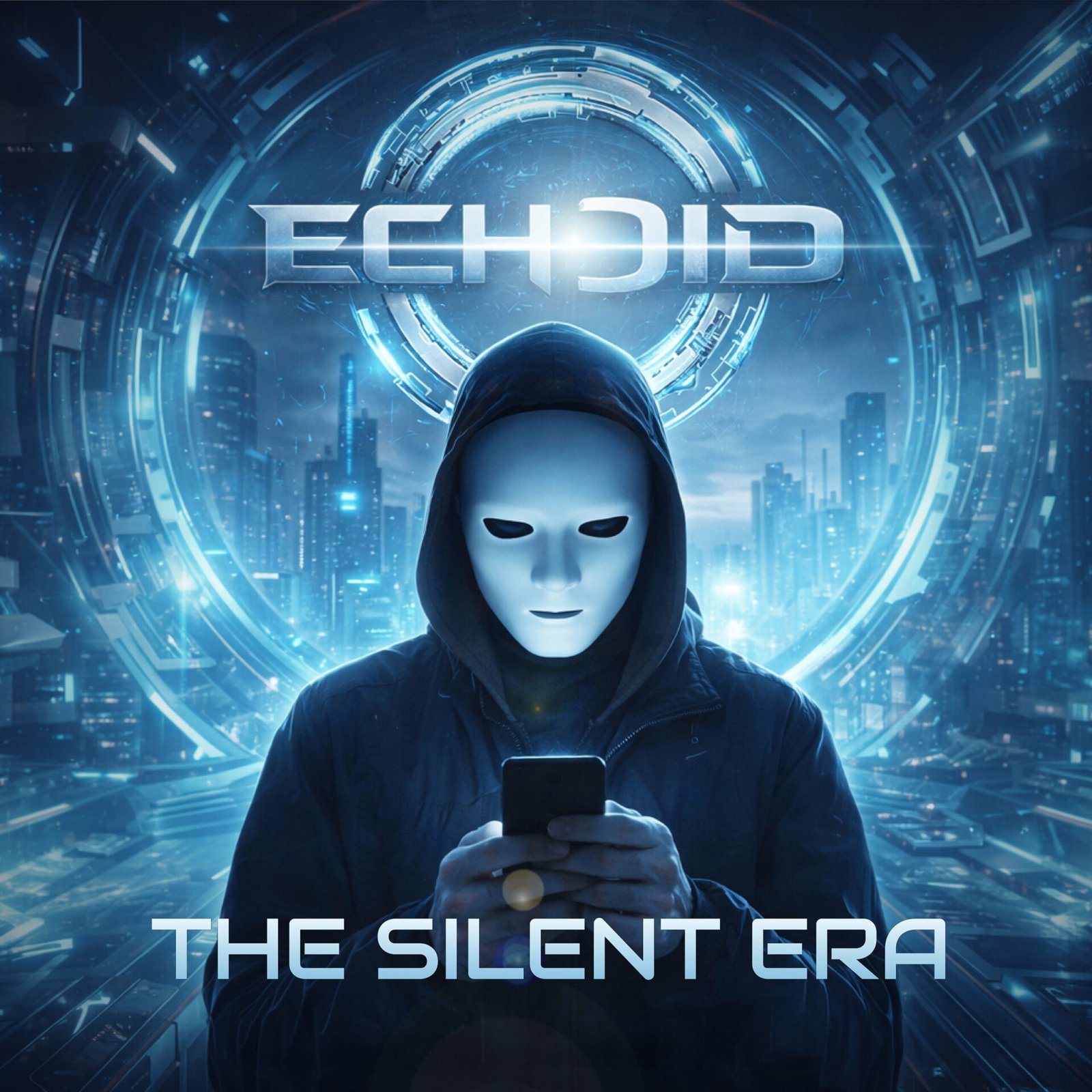
Álbum: «The Silent Era»
Sello: Pitch Black Records
Fecha de lanzamiento: 6 de noviembre de 2026
Género: Melodic Heavy / Power Metal
Para fans de: Helloween, Unisonic, Iron Savior, Avantasia
Cuando se entra de lleno en «The Silent Era», sin embargo, surge una tensión curiosa entre el discurso temático y el código estilístico elegido. El disco plantea una crítica a la hiperconectividad, la fatiga algorítmica, la impostura en los entornos digitales y el vaciamiento de la intimidad real. Es un diagnóstico contemporáneo certero, aunque no especialmente inédito. Lo verdaderamente revelador está en cómo se resuelve ese choque entre una temática fría, fragmentada y saturada de estímulos –«The Noise», «Fake Faces», «Offline», «Ghost in the Feed»– y una arquitectura musical que bebe de patrones clásicos del heavy/power melódico, más inclinados a la épica frontal y al arrebato armónico que a la sequedad industrial o a la disonancia áspera.
En ese contraste radica parte del interés del álbum y también su principal límite. En la prensa europea han circulado lecturas amables que celebran el oficio melódico del conjunto y su solvencia como debut, destacando la fluidez de los ganchos y el buen hacer de sus músicos. Coincido en que el oficio está fuera de duda: el fraseo de Erixon posee un timbre cálido, con un registro medio-alto bien proyectado que sostiene las líneas líricas sin estridencias artificiales, y la base rítmica de Rigoni y Zen mantiene un pulso firme que evita que los pasajes más veloces se desmoronen. Ahora bien, esa misma corrección estilística acarrea un riesgo: la previsibilidad. Varias transiciones, cadencias armónicas y resoluciones de estribillo avanzan por carriles conocidos, donde la comodidad del manual melódico pesa más que el riesgo formal.
Desde el punto de vista sonoro, el trabajo de Francesco Mattei en la producción y masterización busca un equilibrio limpio y articulado. Las guitarras presentan un grano definido, con una distorsión controlada que permite distinguir las armonías dobles y los arpegios sin empastar la gama media-baja. El bajo de Rigoni no queda relegado a un mero colchón grave; en momentos clave busca contrapuntos y desplazamientos que aportan relieve, mientras la batería suena comprimida con criterio moderno, manteniendo el ataque de bombo y caja nítido sin sacrificar la dinámica general. El resultado es un sonido pulcro, equilibrado y de lectura clara, aunque en ciertos tramos una mayor rugosidad o una compresión algo más elástica habría acentuado la sensación de fricción que sugiere el título del disco.
El arranque con «Future Tense» funciona como obertura instrumental de corte luminoso y expansivo, preparando el terreno armónico antes de que «The Noise» acelere el paso y exponga el contraste entre la saturación mediática y la melodía expansiva. A partir de ahí, «Fake Faces» apuesta por un pulso rítmico más marcado y una carga melódica directa,mientras «Between the Lines» -con el aporte vocal de Natalia Sarsgård– introduce un matiz de contrapunto y amplitud tímbrica que oxigena el tramo inicial del repertorio.
En el corazón del disco, «Offline» rebaja la temperatura y se adentra en un terreno más introspectivo y melancólico, apoyándose en la expresividad vocal de Erixon para subrayar el aislamiento detrás de la pantalla. Le siguen «Break the Circuit» y «Static Crown», dos cortes donde el grupo endurece el golpe y busca un pulso combativo, apoyado en riffs de corte metálico clásico y desarrollos solistas que priorizan la limpieza de ejecución y el sentido melódico por encima del vértigo pirotécnico.
Más adelante, «Ghost in the Feed» vuelve sobre esa sombra reflexiva con un solo de guitarra que combina precisión técnica y contención expresiva, antes de que «Still Human» asuma el papel de pieza afirmativa y central del mensaje del álbum, articulada sobre un motivo de guitarra ágil y un estribillo de vocación expansiva. El cierre corresponde a «After the Silence», otro pasaje instrumental que opta por la síntesis atmosférica y el repliegue gradual para bajar el telón sin recurrir a la palabra.
Puntuación: 6,5 / 10
El problema de «The Silent Era» no es la falta de pericia ni de voluntad conceptual, sino el desajuste ocasional entre la gravedad crítica de su argumento y una resolución musical que tiende a refugiarse en lugares seguros. Cuando el disco se atreve a tensar la melodía con una sombra más densa o a jugar con el contraste rítmico gana enteros; cuando recurre a fórmulas canónicas del heavy/power melódico, el impacto se vuelve más previsible de lo que promete su premisa. Un debut sólido, bien tocado y coherente en su ejecución técnica, pero condicionado por un margen de atrevimiento contenido.
Tracklist
«Future Tense»
«The Noise»
«Fake Faces»
«Between the Lines»
«Offline»
«Break the Circuit»
«Ghost in the Feed»
«Static Crown»
«Still Human»
«After the Silence»
Formación
Jonas Erixon – Voz
Francesco Mattei – Guitarra (y mezcla/masterización)
Alberto Rigoni – Bajo (composición y letras)
Andrea Zen – Batería
Colaboración destacada: Natalia Sarsgård – Voz invitada en «Between the Lines»
Multimedia
Redes sociales
Instagram: https://www.instagram.com/echoidmetal
YouTube: https://www.youtube.com/@echoidmetal
The Italian-Swedish axis shaping Echoid brings together names with enough mileage on the European circuit to raise expectations before the first bar even plays. Heading up the songwriting and conceptual framework is Alberto Rigoni, backed by Francesco Mattei on guitars and at the helm of mixing and mastering, Andrea Zen on drums, and Jonas Erixon leading the vocal lines, with a guest appearance by Natalia Sarsgård. On paper, the intersection between the Nordic melodic school and the European heavy and power metal tradition -with clear nods to the lineage of Helloween, Unisonic, or Avantasia-points toward luminous, expansive territory built on sweeping choruses.
When diving fully into «The Silent Era», however, a curious tension emerges between the thematic discourse and the chosen stylistic code. The album critiques hyperconnectivity, algorithmic fatigue, imposture in digital environments, and the hollowing out of real intimacy. It is an accurate contemporary diagnosis, though not a particularly novel one. What is truly revealing is how this clash is resolved between a cold, fragmented, overstimulated theme –«The Noise,» «Fake Faces,» «Offline,» «Ghost in the Feed»– and a musical architecture that draws from classic melodic heavy/power patterns, leaning more toward straightforward epicness and harmonic fervor than industrial dryness or harsh dissonance.
In that contrast lies part of the album’s appeal, as well as its main limitation. Warm reviews have circulated in the European press celebrating the ensemble’s melodic craft and solidity as a debut, highlighting the fluidity of the hooks and the musicians’ skill. I agree that the craft is beyond doubt: Erixon’s phrasing possesses a warm timbre, with a well-projected upper-mid register that sustains the vocal lines without artificial shrillness, and the rhythm section of Rigoni and Zen maintains a steady pulse that keeps the faster passages from falling apart. Yet that very stylistic correctness carries a risk: predictability. Several transitions, harmonic cadences, and chorus resolutions move along familiar tracks, where the comfort of the melodic playbook outweighs formal risk-taking.
From a sonic standpoint, Francesco Mattei‘s production and mastering seek a clean, articulate balance. The guitars feature a defined grain with controlled distortion, allowing dual harmonies and arpeggios to stand out without muddying the lower mids. Rigoni‘s bass isn’t relegated to a mere low-end cushion; at key moments, it seeks counterpoints and shifts that add relief, while the drums sound compressed with modern sensibilities, keeping the kick and snare attack crisp without sacrificing overall dynamics. The result is a neat, balanced, and clearly legible sound, though in certain stretches a bit more grit or slightly more elastic compression would have accentuated the sense of friction suggested by the album’s title.
The opener, «Future Tense», functions as a bright, expansive instrumental overture, setting the harmonic stage before «The Noise» picks up the pace and exposes the contrast between media saturation and sweeping melody. From there, «Fake Faces» opts for a more pronounced rhythmic pulse and a direct melodic punch, while «Between the Lines»-featuring vocal contributions from Natalia Sarsgård– introduces a shade of counterpoint and timbral breadth that airs out the opening stretch of the tracklist.
At the heart of the record, «Offline» lowers the temperature and ventures into more introspective, melancholic terrain, leaning on Erixon’s vocal expressiveness to underscore the isolation behind the screen. Next come «Break the Circuit» and «Static Crown», two cuts where the band hardens its punch and seeks a combative pulse, supported by classic metal riffs and solo runs that prioritize clean execution and melodic sense over pyrotechnic flash.
Further on, «Ghost in the Feed» returns to that reflective shadow with a guitar solo that combines technical precision and expressive restraint, before «Still Human» takes on the role of the album’s affirmative, central statement, built around an agile guitar motif and an expansive chorus. Closing duties fall to «After the Silence», another instrumental passage that opts for atmospheric synthesis and a gradual pullback to bring down the curtain without resorting to words.
Score: 6.5 / 10
The issue with «The Silent Era» is neither a lack of skill nor conceptual intent, but rather the occasional mismatch between the critical gravity of its premise and a musical resolution that tends to take refuge in safe territory. When the record dares to strain its melodies with a denser shadow or play with rhythmic contrast, it gains real stature; when it falls back on canonical melodic heavy/power formulas, the impact becomes more predictable than its premise promises. A solid debut, well-played and cohesive in its technical execution, yet held back by a restrained margin of daring.