





(English Below)
La melancolía, cuando se cultiva con la paciencia de un maestro artesano, deja de ser una emoción para convertirse en una arquitectura. En el mundo del metal extremo, donde la norma suele ser la inmediatez de la violencia, existen bandas que prefieren esculpir el vacío, transformando el dolor en algo tan sólido como una catedral gótica. Los franceses Angellore han sido, desde su génesis en Avignon, los arquitectos definitivos de este sentimiento.
Llevan casi dos décadas moviéndose entre las sombras, destilando una esencia que bebe del folklore, el drama teatral y la pesadez del doom más desolador. Tras el éxito rotundo de «Rien Ne Devait Mourir», muchos nos preguntábamos si podrían elevar aún más el listón. «Nocturnes», un álbum que ha necesitado diez años de gestación en la oscuridad, no solo responde a esa pregunta: la hace irrelevante. Es, sin lugar a dudas, su obra más madura, profunda y devastadora hasta la fecha.
Ficha Técnica
Artista: Angellore
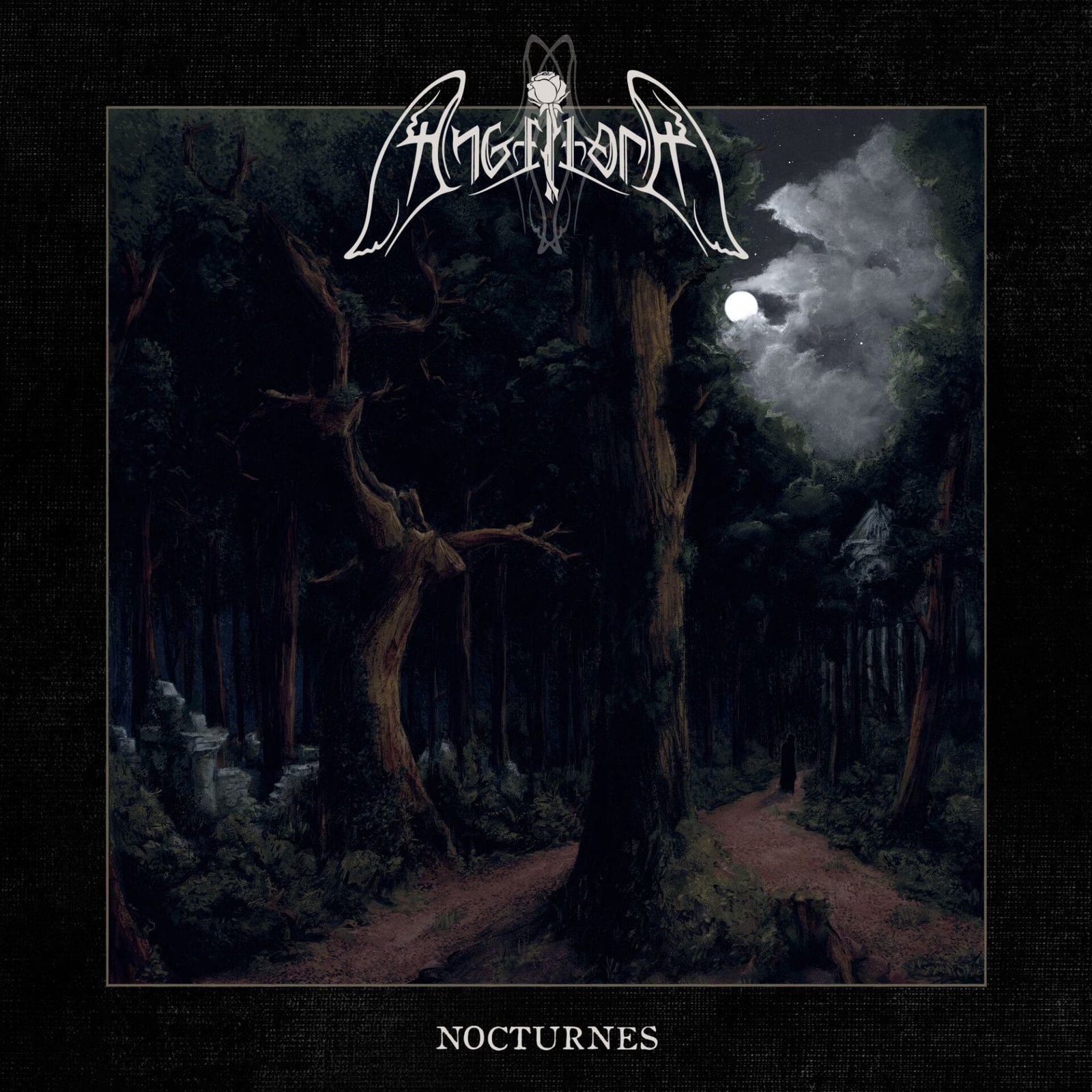
Álbum: «Nocturnes»
Sello: Ardua Music
Fecha de lanzamiento: 24 de abril de 2026
Género: Atmospheric Gothic Doom Metal
Para fans de: Draconian, Empyrium, Tristania, Saturnus, Theatre of Tragedy.
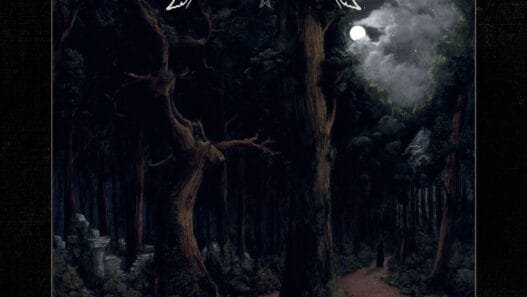
Hay discos que uno simplemente escucha, y luego están aquellos en los que uno se refugia como si fueran un viejo caserón abandonado en medio de un páramo. «Nocturnes» es un álbum de atmósfera envolvente, una pieza que no busca convencerte de nada, sino simplemente existir, como un fantasma que se niega a abandonar su hogar.
El viaje comienza con «Falling Birds», una danza dolorosa que despliega acordes poderosos bajo una melodía que parece extraída de una balada medieval olvidada. Aquí, la pureza angelical de las voces se funde con líneas de guitarra que gotean tristeza. Lo que hace a Angellore especial no es solo su pesadez, sino el uso magistral de instrumentos tradicionales -oboe, clarinete bajo, flauta- que dotan a la composición de una riqueza tímbrica que la mayoría de sus contemporáneos solo pueden soñar con alcanzar.
La travesía continúa hacia «Black Sun River», una canción que te atrapa en una especie de «baile de fantasmas». Es un corte que trasciende el tiempo; suena a un amor que ha sobrevivido siglos de olvido. La versatilidad vocal de Rosarius y Walran, alternando entre pasajes de una fragilidad extrema y rugidos de una honestidad brutal, crea un contraste que hace que la piel se erice.
Mención aparte merece «Forsaken Fairytale». Es, en muchos aspectos, el alma narrativa del álbum. Aquí, la banda juega con una paleta de sonidos casi ilimitada, integrando piano y violonchelo de una manera tan orgánica que parecen brotar de la misma tierra donde se entierra la historia. Es una canción de personajes, de luces y sombras, donde la flauta nos guía hacia un final inevitable, recordándonos que el destino es un cuento de hadas que casi siempre termina en cenizas.
Si hay un momento en este disco que se siente como un umbral hacia otro mundo, es «Martyrium». Los coros catedralicios actúan como un portal hacia páramos azotados por el viento bajo una luna gélida. Es el tipo de canción que, cuando la escuchas a medianoche, hace que el aire de la habitación se vuelva denso. Angellore logra aquí lo que pocos: que el oyente sienta que amar, en este contexto, es un acto de locura necesaria.
El cierre, «A Dormant Stream», es un tapiz de emociones complejas. Con una sencillez táctil, la banda nos guía en una procesión fúnebre de una grandeza sobrecogedora. Los arreglos de vientos y cuerdas aquí no se sienten como acompañamiento, sino como los pilares que sostienen el cielo del álbum. La producción de Déhà y la masterización de Markus Skroch han logrado capturar el sonido de una banda que respira al unísono, entregando una profundidad sónica que es a la vez inmensa e íntima.
Puntuación: 9.6 / 10
«Nocturnes» es una obra maestra de la paciencia. Diez años pueden parecer una eternidad para un lanzamiento, pero tras escuchar este álbum, cada minuto de espera se siente justificado. Es una experiencia inmersiva, una pieza de arte gótico que no solo escuchas, sino que habitas. Es un recordatorio de que, incluso en la oscuridad más absoluta, la música puede ser una luz, aunque sea una luz tenue, fría y profundamente triste.
Tracklist
«Falling Birds»
«Black Sun River»
«Forsaken Fairytale»
«Martyrium»
«A Dormant Stream»
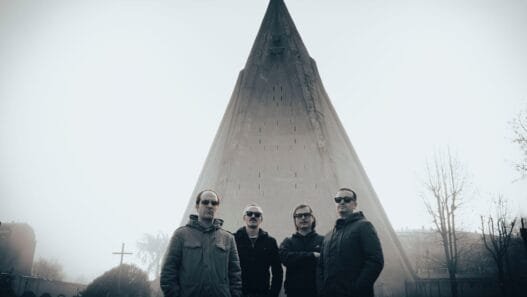
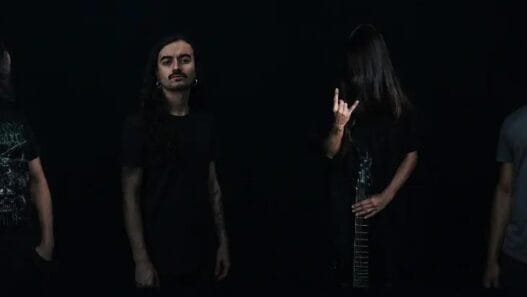
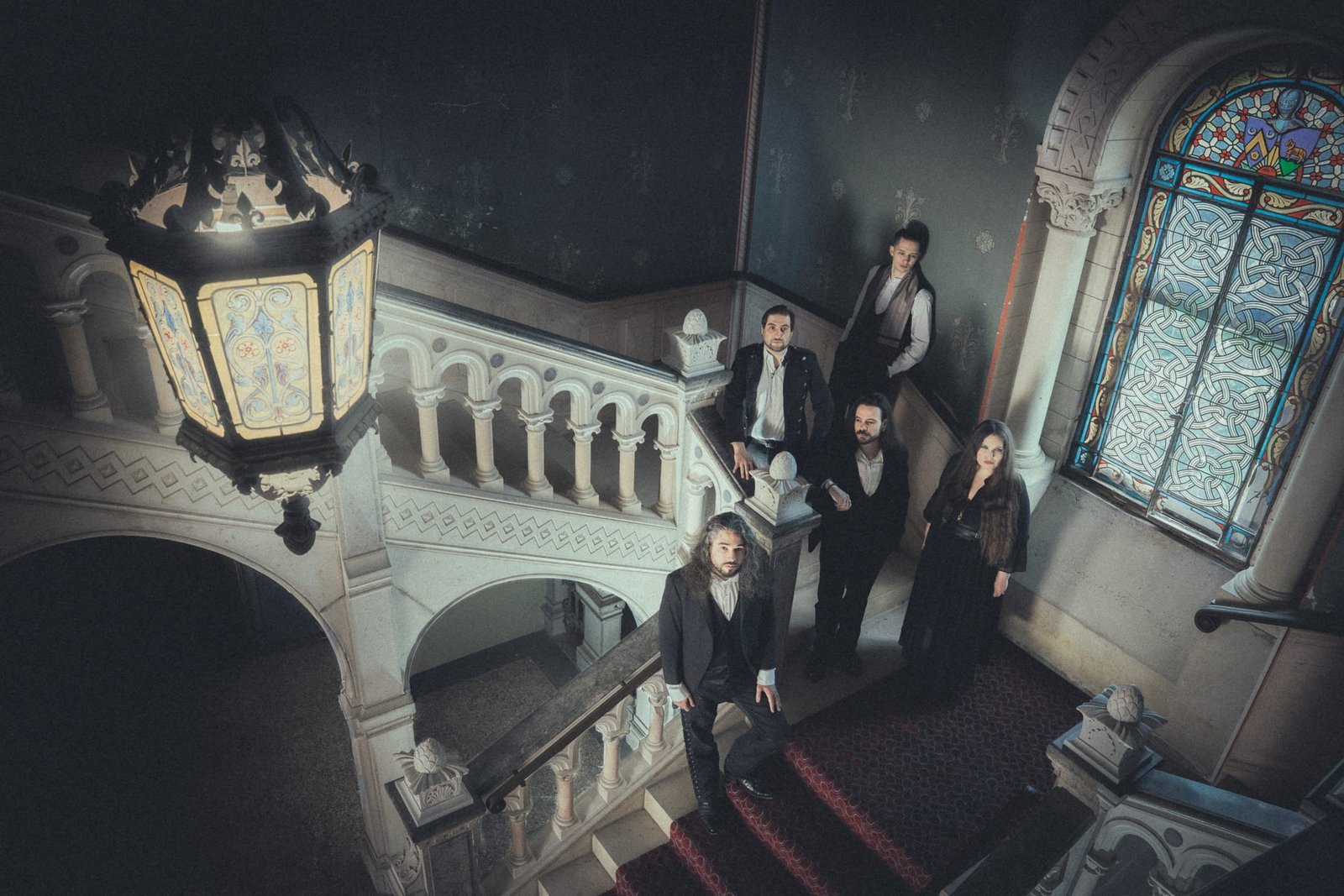
Formación
Lucia: Voz.
Rosarius: Voces (limpias/guturales), guitarras, sintetizadores, piano de cola.
Walran: Voces (guturales/limpias), sintetizadores, piano de cola.
Celin: Bajo, guitarras adicionales, EBow, voces extremas (coros).
Ronnie: Batería y percusión.
(Con la colaboración destacada de Ségolène Perraud a la flauta, Dirk Goossens al clarinete bajo, Raphaël Verguin al violonchelo y Gunnar Ben al oboe).
Multimedia
Redes Sociales
Facebook Oficial: https://www.facebook.com/AngelloreDoom
Melancholy, when cultivated with the patience of a master craftsman, ceases to be an emotion and becomes an architecture. In the world of extreme metal, where the norm is usually the immediacy of violence, there are bands that prefer to sculpt the void, transforming pain into something as solid as a Gothic cathedral. The French outfit Angellore has been, since its genesis in Avignon, the definitive architects of this feeling.
They have spent nearly two decades moving through the shadows, distilling an essence that draws from folklore, theatrical drama, and the heaviness of the most bleak doom. Following the resounding success of «Rien Ne Devait Mourir», many of us wondered if they could raise the bar even higher. «Nocturnes», an album that required ten years of gestation in the dark, does not just answer that question: it makes it irrelevant. It is, without a doubt, their most mature, profound, and devastating work to date.
There are records that one simply listens to, and then there are those in which one takes refuge as if they were an old, abandoned manor in the middle of a moor. «Nocturnes» is an album of immersive atmosphere—a piece that does not seek to convince you of anything, but simply to exist, like a ghost refusing to leave its home.
The voyage begins with «Falling Birds», a painful dance that deploys powerful chords beneath a melody that seems extracted from a forgotten medieval ballad. Here, the angelic purity of the vocals merges with guitar lines that drip with sadness. What makes Angellore special is not just their heaviness, but their masterful use of traditional instruments—oboe, bass clarinet, flute—which endow the composition with a timbral richness most of their contemporaries can only dream of achieving.
The journey continues toward «Black Sun River», a song that traps you in a sort of «ghost dance.» It is a track that transcends time; it sounds like a love that has survived centuries of oblivion. The vocal versatility of Rosarius and Walran, alternating between passages of extreme fragility and roars of brutal honesty, creates a contrast that makes your skin crawl.
A special mention must go to «Forsaken Fairytale». It is, in many aspects, the narrative soul of the album. Here, the band plays with an almost limitless palette of sounds, integrating piano and cello in such an organic way that they seem to sprout from the very earth where the story is buried. It is a song of characters, of lights and shadows, where the flute guides us toward an inevitable end, reminding us that destiny is a fairytale that almost always ends in ashes.
If there is a moment on this record that feels like a threshold into another world, it is «Martyrium». The cathedral-like choirs act as a portal to windswept moors beneath an icy moon. It is the type of song that, when listened to at midnight, makes the air in the room grow dense. Angellore achieves here what few can: making the listener feel that to love, in this context, is an act of necessary madness.
The closer, «A Dormant Stream», is a tapestry of complex emotions. With tactile simplicity, the band guides us through a funeral procession of breathtaking grandeur. The wind and string arrangements here do not feel like an accompaniment, but rather like the pillars holding up the album’s sky. The production by Déhà and mastering by Markus Skroch have successfully captured the sound of a band breathing in unison, delivering a sonic depth that is simultaneously immense and intimate.
«Nocturnes» is a masterpiece of patience. Ten years may seem like an eternity for a release, but after listening to this album, every single minute of the wait feels justified. It is an immersive experience, a piece of Gothic art that you do not just listen to, but inhabit. It is a reminder that even in the most absolute darkness, music can be a light—even if it is a dim, cold, and deeply sad light.