




(English Below)
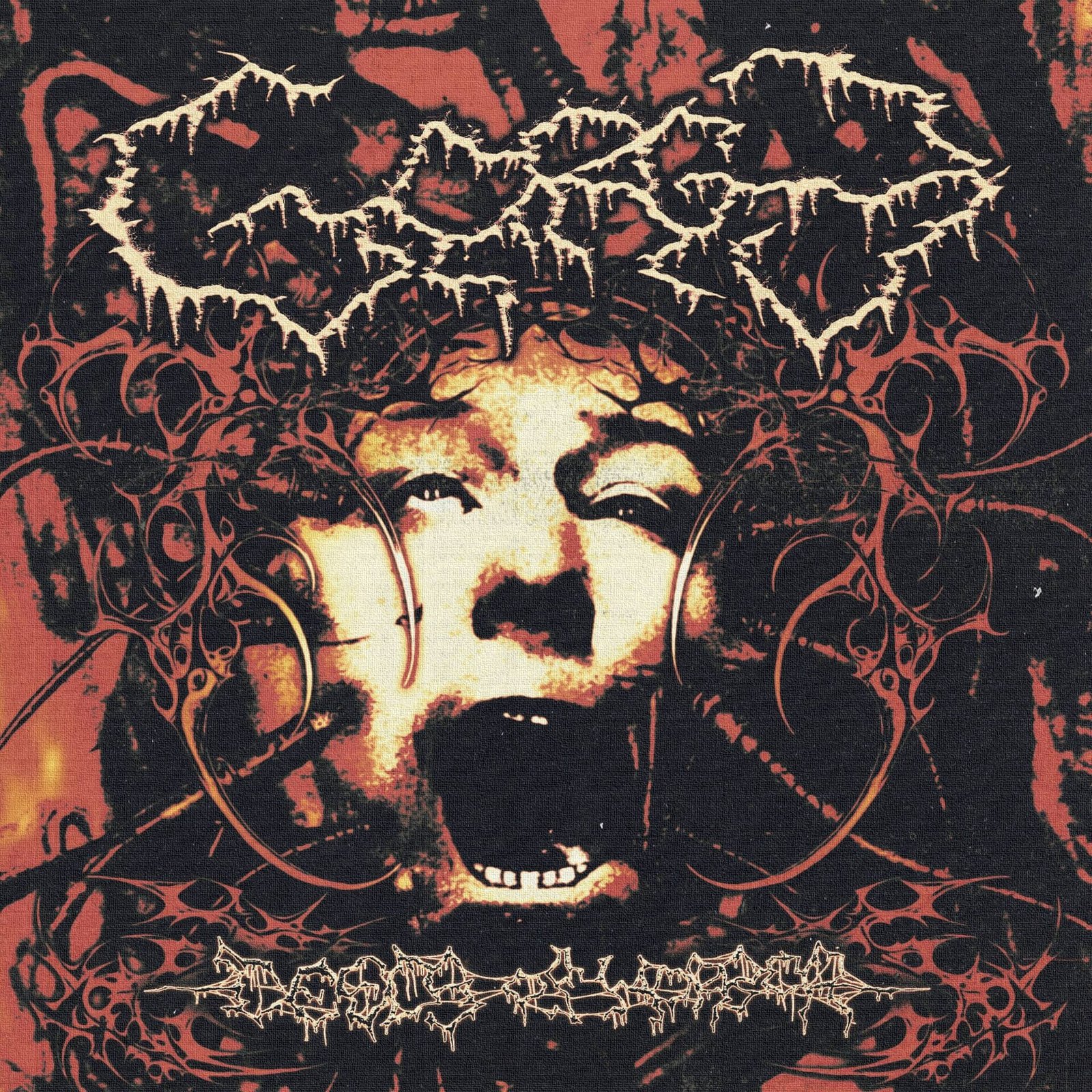
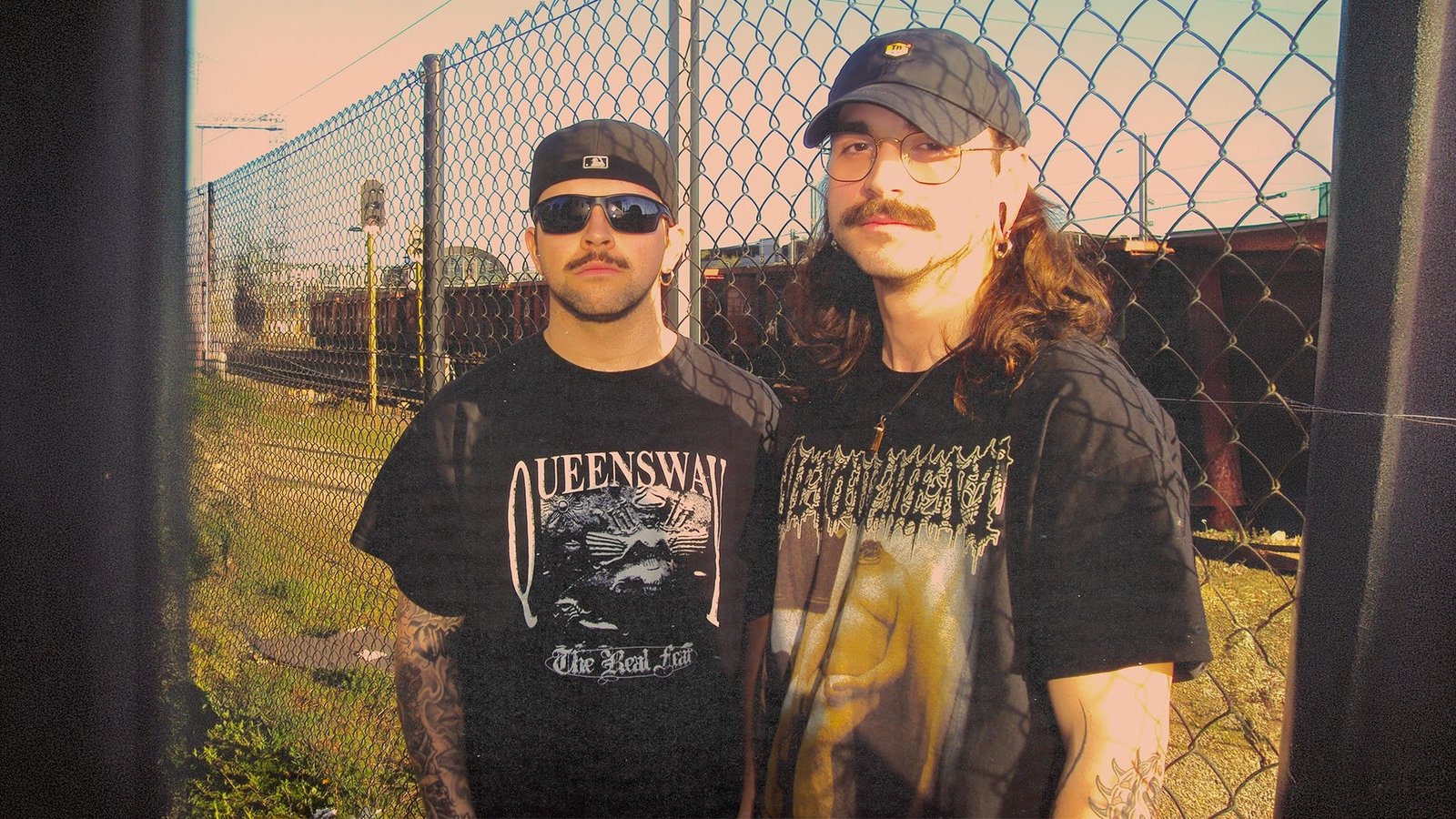
Hay una tentación perniciosa en el metal extremo contemporáneo: la de pulir las aristas hasta que el dolor se convierte en un producto aséptico. En los estudios modernos, los ingenieros de sonido a menudo operan como cirujanos plásticos digitales, eliminando la sangre, el sudor y la asimetría de los instrumentos hasta que todo suena a una línea de montaje industrial. Pero hay trincheras donde la podredumbre se defiende con uñas y dientes. Cuando Edoardo Nicoloso y Roberto Sava decidieron dar forma a Gorge en 2025, no lo hicieron con la pretensión de buscar etiquetas vanguardistas que contentaran a la crítica de salón. Lo hicieron desde una urgencia visceral, invocando el espíritu de formaciones bicéfalas tan esenciales como Retch, Mortician o Christ Denied, y canalizando la pegada implacable de los tótems de los noventa. Con este debut discográfico titulado «Deeds of Horror», editado bajo el estandarte de Time To Kill Records, el dúo italiano no solo cumple con las expectativas generadas por su demo previa; demuele los cimientos de lo que entendemos por brutalidad moderna a base de puro músculo analógico y una honestidad desarmante.
Ficha Técnica
- Artista: Gorge
- Álbum: «Deeds of Horror»
- Sello: Time To Kill Records
- Fecha de lanzamiento: 27 de agosto de 2026
- Género: Brutal Death Metal / Slam
- Para fans de: Early Suffocation, Dying Fetus, Gorgasm, Malevolent Creation, Internal Bleeding
Para comprender el peso específico de este lanzamiento, es imperativo analizar la arquitectura de su sonido y las decisiones de producción tomadas en el MK2 Recording Studio de Ivrea bajo la batuta de Davide Billia. Lejos de ceder a la tentación de programar baterías hipercomprimidas que suenan a metralla de plástico, la labor detrás de los parches -ideada por Nicoloso– mantiene una fisicidad inquebrantable. Cada golpe de caja tiene densidad; el doble bombo no es un zumbido continuo y plano, sino un martilleo mecánico que empuja las estructuras con la precisión de un pistón hidráulico. Las guitarras, repartidas con inteligencia entre ambos artífices (mientras Nicoloso cimenta la rítmica y el bajo, Sava aporta la tensión en las cuerdas principales y los solos punzantes), destilan un grano arenoso. No buscan la saturación digital; buscan el crujido orgánico de los amplificadores forzados al límite, un homenaje directo a la escuela neoyorquina de los primeros Suffocation y a la densidad viscosa de los primeros trabajos de Dying Fetus.
El concepto lírico y atmosférico del disco no se esconde tras metáforas abstractas o barroquismos literarios. «Deeds of Horror» bebe de visiones apocalípticas y de los umbrales más oscuros del post-mortem, convirtiendo cada pista en un ejercicio de asfixia controlada. Ya desde el arranque con la inaugural «Sacred Misconception», el álbum impone un ritmo marcial que rehúye del relleno ambiental. La canción se despliega como una apisonadora, donde los cambios de ritmo no obedecen a un capricho técnico, sino a una necesidad narrativa de tensión y liberación. Las voces, alternando guturales cavernosos con agudos desgarrados de corte clásico, se acoplan con una naturalidad pasmosa a una mezcla donde el bajo mantiene un protagonismo físico insólito, rellenando los espacios con una presencia sísmica.
La progresión se torna aún más densa al adentrarnos en «Visions Before Dying», un corte que demuestra que el dúo entiende a la perfección la diferencia entre la velocidad ciega y el peso dinámico. Aquí las guitarras dibujan patrones angulares que evocan la escuela técnica pero desprovista de artificios pretenciosos. El riff sigue siendo el rey absoluto, el hilo conductor que guía al oyente por un laberinto de crueldad sónica. Este dominio de la tensión alcanza un primer cénit en el tema homónimo, «Mortal Decimation (Deeds Of Horror)», donde la estructura rítmica se contrae para dar paso a un groove asfixiante que recuerda por qué el death metal de los noventa poseía una capacidad innata para hacer tambalear las cervicales sin recurrir a los abusos del slam más previsible y comercial.
El viaje a través de las entrañas de «Deeds of Horror» no cede ni un ápice de su ferocidad conforme nos adentramos en su ecuador. Si la primera mitad del álbum establece el pulso mecánico y la asfixia analógica, la segunda mitad se encarga de desatar las consecuencias de esa presión acumulada. Tras el respiro claustrofóbico que supone el cuarto corte, titulado simplemente «Interlude» -un pasaje de tensión ambiental que actúa como la calma antes de la carnicería-, la maquinaria vuelve a ponerse en marcha con una violencia inusitada en «Unhinged Punishment».
Este tema cuenta con la participación estelar de Angel Ochoa, una colaboración que no responde a un mero capricho de cartel, sino a una necesidad orgánica de elevar la apuesta vocal. La interacción entre los rugidos cavernosos de Nicoloso y Sava con la inconfundible y sanguinolenta entrega de Ochoa dota al corte de una dimensión casi cinematográfica, evocando las horas más oscuras del brutal death metal de escuela norteamericana. Las guitarras aquí cortan como cuchillas oxidadas, mientras la programación de batería mantiene un rigor marcial que impide que el caos se desborde hacia el territorio del descontrol insulso; cada golpe está medido para maximizar el daño cervical.
La travesía continúa con «Without Inheritance», el sencillo que funcionó como avanzadilla y declaración de intenciones del dúo italiano. Desde los primeros compases, el tema demuestra esa capacidad única para fusionar la agresión del death metal clásico con la pegada cinética del hardcore más visceral. Líricamente, la canción aborda una reflexión sumamente amarga: el terror tardío de descubrir que, tras pasar toda una vida persiguiendo el éxito material, el trabajo o el estatus, uno se encuentra completamente solo, desprovisto de afectos genuinos y sin haber dejado nada de valor real para quienes siempre estuvieron al lado. Es esta madurez temática, alejada de los tópicos gore más absurdos y pueriles, la que eleva el discurso de Gorge por encima de la media del género.
Avanzando hacia el final del abismo nos topamos con «Fear Of Losing Another Vital Limb», una pieza que conecta directamente con los cimientos de su demo previa pero reinterpretada bajo un prisma de mayor densidad sonora. Aquí, los cambios de ritmo son milimétricos; la banda no necesita correr para infundir pavor. El peso específico del bajo y la rítmica de las cuerdas construyen un muro de contención sónico que presiona el pecho del oyente. El cierre de este monumental asalto llega de la mano de «Repetition Of The Kill», un epitafio perfecto que sella la tumba con la contundencia de una losa de cemento húmedo. No hay falsas esperanzas ni redención final en este disco; solo la aceptación estoica de la podredumbre y la constatación de que el dolor, bien canalizado, puede convertirse en arte puro.
Si tuviera que buscar algún punto débil, podría señalarse que la propuesta es tan intransigente y directa que apenas deja espacio para la tregua, exigiendo una atención absoluta por parte de quien seatrévase a cruzar sus puertas. Sin embargo, esa misma falta de concesiones es su mayor virtud. «Deeds of Horror» es un debut sobresaliente, un recordatorio doloroso y necesario de que la verdadera brutalidad reside en la honestidad de la ejecución y en la solidez del riff.
Puntuación: 8.9 / 10
A lo largo de estas ocho pistas, Gorge ha demostrado que el brutal death metal no necesita corromperse con la sobreproducción digital ni con la esterilidad de los estudios modernos para ser relevante en la escena actual. La labor de Davide Billia tras la mezcla y masterización en el MK2 Recording Studio ha sido crucial para respetar la mugre orgánica, el grano arenoso de los amplificadores y la pegada física de cada instrumento. Es un disco que huele a ensayo sudoroso, a amplificadores forzados al límite y a la mejor tradición de los noventa, pero ejecutado con una precisión quirúrgica propia de músicos que llevan años curtiéndose en las trincheras del underground (como lo demuestran sus otros proyectos paralelos).
Tracklist
- «Sacred Misconception»
- «Visions Before Dying»
- «Mortal Decimation (Deeds Of Horror)»
- «Interlude»
- «Unhinged Punishment» (ft. Angel Ochoa)
- «Without Inheritance»
- «Fear Of Losing Another Vital Limb»
- «Repetition Of The Kill»
Formación
- Edoardo Nicoloso: Guitarra, voz, programación de batería y bajo
- Roberto Sava: Guitarra y voz principal/secundaria
- Músico invitado: Angel Ochoa (Voz en «Unhinged Punishment»)
Multimedia
Redes sociales
- Bandcamp: https://gorgepv.bandcamp.com/album/deeds-of-horror
- Instagram: https://www.instagram.com/gorgebrutality
There is a pernicious temptation in contemporary extreme metal: that of polishing away the rough edges until pain is turned into an aseptic product. In modern studios, sound engineers often operate like digital plastic surgeons, eliminating blood, sweat, and instrumental asymmetry until everything sounds like an industrial assembly line. But there are trenches where the rot is defended tooth and nail. When Edoardo Nicoloso and Roberto Sava decided to form Gorge in 2025, they did not do so with the pretension of chasing avant-garde labels to appease armchair critics. They did it out of a visceral urgency, invoking the spirit of essential two-piece entities such as Retch, Mortician, or Christ Denied, and channeling the unrelenting punch of nineties titans. With this full-length debut titled «Deeds of Horror», released under the banner of Time To Kill Records, the Italian duo not only meets the expectations generated by their previous demo they demolish the very foundations of what we understand as modern brutality through sheer analog muscle and disarming honesty.
To understand the specific weight of this release, it is imperative to analyze the architecture of its sound and the production choices made at MK2 Recording Studio in Ivrea under the direction of Davide Billia. Far from yielding to the temptation of programming hyper-compressed drums that sound like plastic shrapnel, the work behind the kit -crafted by Nicoloso- maintains an unshakable physicality. Every snare hit carries weight; the double bass is not a flat, continuous hum, but a mechanical hammering that propels structures with the precision of a hydraulic piston. The guitars, intelligently split between both masterminds (Nicoloso cementing the rhythm section and bass, while Sava provides the tension across the main strings and piercing solos), exude a gritty, sandy texture. They do not seek digital saturation; they chase the organic crunch of amplifiers pushed to their absolute limits a direct homage to the New York school of early Suffocation and the viscous density of early Dying Fetus.
The album’s lyrical and atmospheric concept does not hide behind abstract metaphors or literary baroqueness. «Deeds of Horror» draws from apocalyptic visions and the darkest thresholds of the post-mortem, turning each track into an exercise in controlled asphyxiation. Right from the start with the opener “Sacred Misconception”, the record imposes a martial pace that shuns ambient filler. The track unfolds like a steamroller, where rhythm shifts do not obey a technical whim, but rather a narrative need for tension and release. The vocals, alternating cavernous growls with classic-style torn shrieks, fit with astonishing naturalness into a mix where the bass holds an unusually physical prominence, filling every space with seismic presence.
The progression becomes even denser as we venture into “Visions Before Dying”, a track proving that the duo perfectly understands the difference between blind speed and dynamic weight. Here, the guitars trace angular patterns that evoke the technical school yet remain stripped of pretentious gimmicks. The riff remains undisputed king the narrative thread guiding the listener through a labyrinth of sonic cruelty. This mastery of tension reaches an initial climax in the title track, “Mortal Decimation (Deeds Of Horror)”, where the rhythmic structure contracts to yield to a suffocating groove, reminding us why nineties death metal possessed an innate ability to shatter necks without resorting to the overused tropes of predictable, commercial slam.
The journey through the bowels of «Deeds of Horror» does not yield a single inch of ferocity as it approaches its midpoint. If the first half of the album establishes a mechanical pulse and analog asphyxiation, the second half unleashes the consequences of that built-up pressure. Following the claustrophobic breather provided by the fourth track, simply titled “Interlude” –an ambient tension passage acting as the calm before the butchery- the machinery cranks back up with uncommon violence on “Unhinged Punishment”.
This track features a stellar guest appearance by Angel Ochoa, a collaboration that responds not to a mere marquee gimmick, but to an organic necessity to raise the vocal stakes. The interplay between the cavernous roars of Nicoloso and Sava with Ochoa’s unmistakable, blood-soaked delivery endows the track with a nearly cinematic dimension, evoking the darkest hours of North American brutal death metal. The guitars here slice like rusty blades, while the drum programming maintains a martial rigor that prevents the chaos from spilling over into mindless noise; every hit is calibrated to inflict maximum cervical damage.
The passage continues with “Without Inheritance”, the advance single that served as the Italian duo’s opening statement of intent. From its opening bars, the track displays a unique ability to merge the aggression of classic death metal with the kinetic punch of visceral hardcore. Lyrically, the song tackles a bitter reflection: the late-stage terror of discovering that, after a lifetime spent pursuing material success, work, or status, one ends up utterly alone devoid of genuine affection and leaving behind nothing of real value for those who were always there. It is this thematic maturity, far removed from absurd, childish gore clichés, that elevates Gorge’s narrative above the genre average.
Moving toward the edge of the abyss, we encounter “Fear Of Losing Another Vital Limb”, a piece directly connected to the foundations of their previous demo, yet reinterpreted through a lens of far greater sonic density. Here, the tempo changes are razor-sharp; the band doesn’t need to rush to instill dread. The sheer mass of the bass and rhythm guitars constructs a sonic retaining wall that crushes the listener’s chest. The conclusion to this monumental assault arrives via “Repetition Of The Kill”, a perfect epitaph sealing the tomb with the finality of a wet concrete slab. There are no false hopes or final redemptions on this record; only the stoic acceptance of decay and the realization that pain, when properly channeled, can become pure art.
If one were to look for any weakness, it could be argued that the material is so uncompromising and direct that it barely leaves room for respite, demanding complete attention from anyone daring to cross its threshold. Yet that very lack of concessions is its greatest virtue. «Deeds of Horror» is an outstanding debut a painful, necessary reminder that true brutality resides in the honesty of execution and the power of the riff.
Rating: 8.9 / 10
Across these eight tracks, Gorge has proven that brutal death metal does not need to corrupt itself with digital overproduction or the sterility of modern studios to remain relevant in today’s scene. Davide Billia’s work behind the mix and master at MK2 Recording Studio has been crucial in preserving the organic grime, the sandy grain of cranked amplifiers, and the physical impact of every instrument. This is an album that smells like a sweaty rehearsal room, overloaded amps pushed to their limit, and the finest nineties tradition—executed with the surgical precision of musicians who have spent years honing their craft in the underground trenches.