




(English Below)
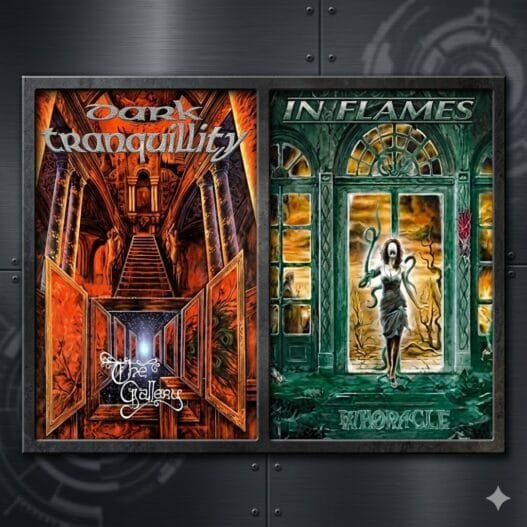
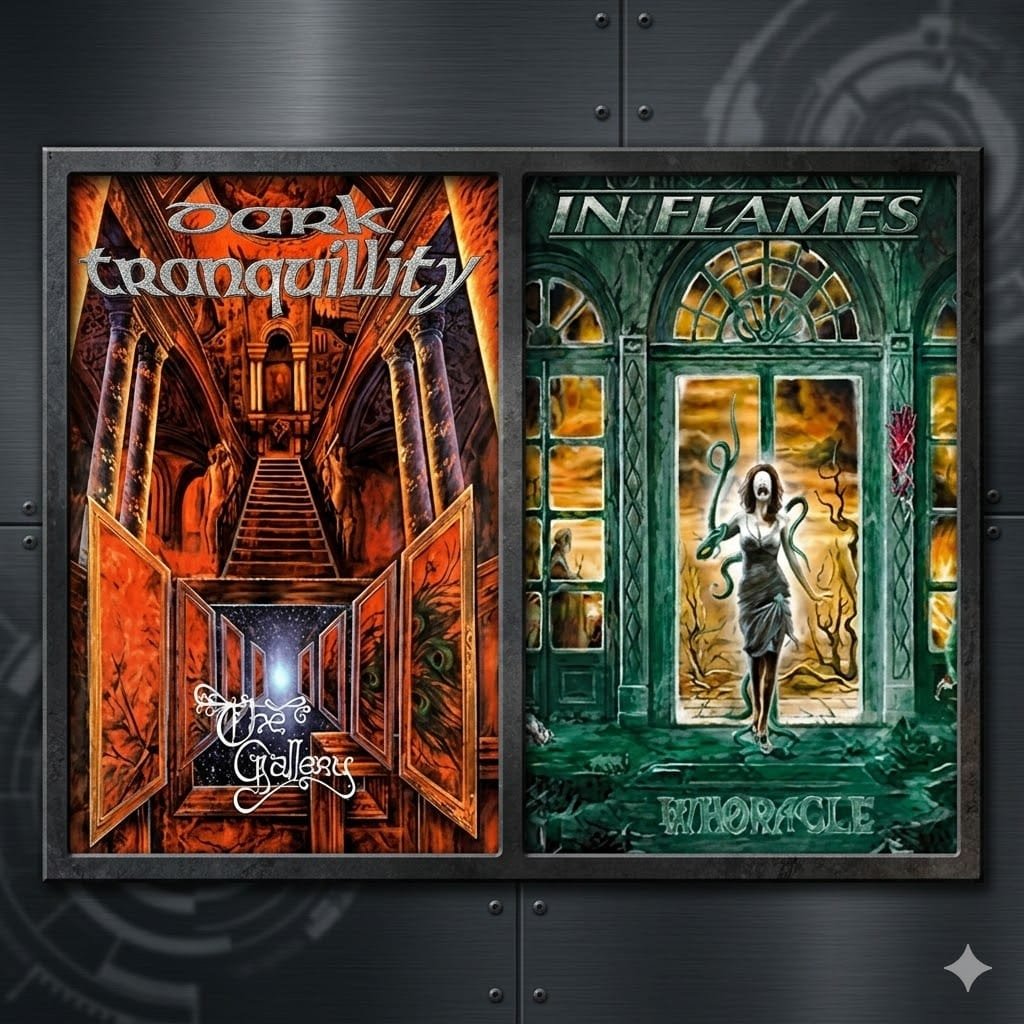
El Death Metal Melódico no es solo un subgénero; es un movimiento que salvó al metal extremo de la monotonía a mediados de los 90. En el epicentro de esta revolución se encuentran Dark Tranquillity e In Flames. Al analizar «The Gallery» y «Whoracle», no solo reseñamos dos álbumes, sino que diseccionamos el ADN de una era.
I. Dark Tranquillity: «The Gallery» (1995) – La Capilla Sixtina del Metal Extremo
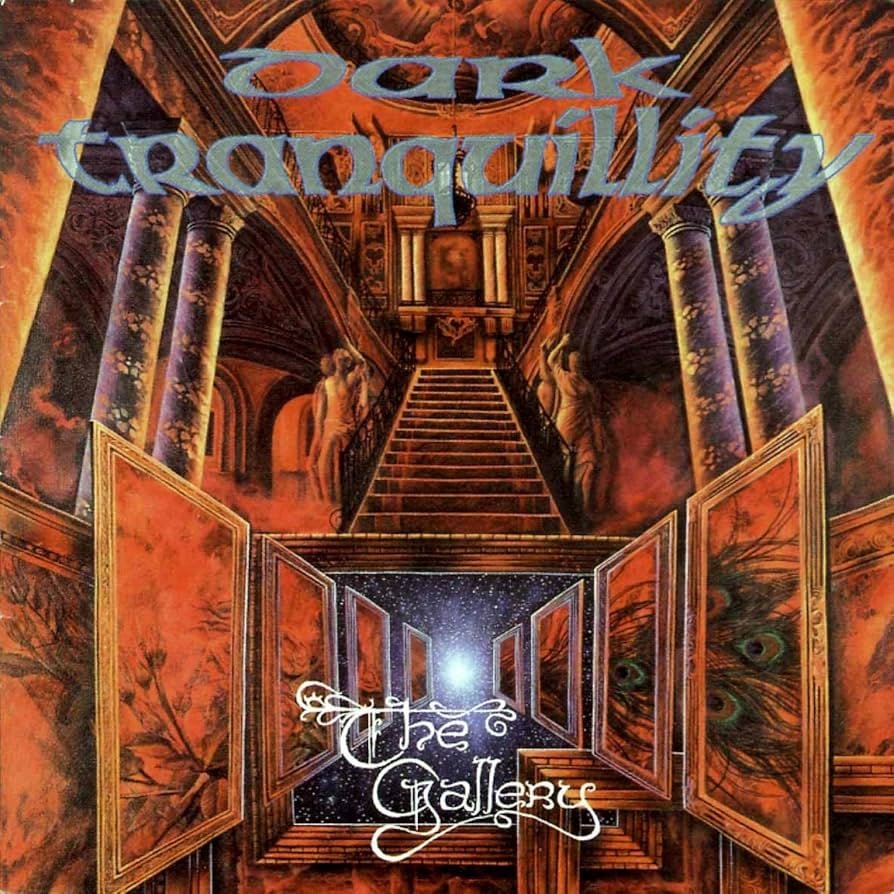
Si el Death Metal tradicional era un muro de ruido, «The Gallery» fue un vitral gótico. Tras la salida de Anders Fridén y la asunción de Mikael Stanne como vocalista, la banda se vio obligada a reinventarse. El resultado fue una obra que priorizaba la técnica y la atmósfera por encima de la fuerza bruta.
El disco abre con «Punish My Heaven», una declaración de intenciones. La velocidad es vertiginosa, pero las guitarras de Niklas Sundin y Mikael Niklasson no tocan power chords simples; tejen contrapuntos que recuerdan a la música barroca.
La Experimentación: Temas como «The Gallery» y «Lethe» introdujeron algo inaudito: pasajes de una tristeza abrumadora con voces femeninas y bajos prominentes que daban una sensación de tridimensionalidad.
La Lírica: Stanne se alejó de los clichés de muerte y gore para explorar la alienación, el arte y la filosofía existencial.
La crítica de 1995 quedó estupefacta. Revistas como Terrorizer señalaron que Dark Tranquillity había logrado lo imposible: que el metal extremo fuera elegante. «The Gallery» es considerado hoy el «músico de los músicos». Es un disco complejo, difícil de digerir a la primera escucha, pero infinito en sus detalles.
II. In Flames: «Whoracle» (1997) – La industrialización del gancho
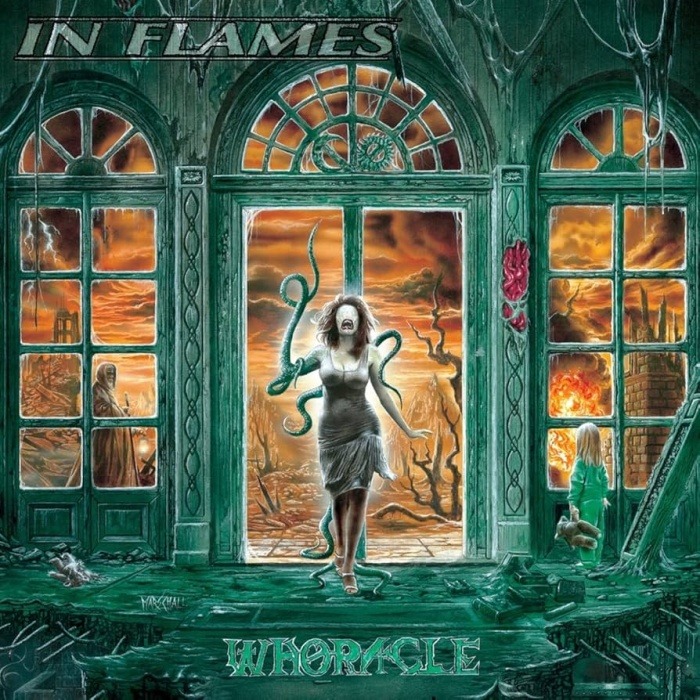
Dos años después, In Flames respondió no con complejidad, sino con impacto. Si «The Gallery» era una pintura al óleo, «Whoracle» era una película de ciencia ficción de alto presupuesto. Es el último disco de la era clásica antes de que la banda comenzara a mutar hacia sonidos más modernos.
«Whoracle» es un álbum conceptual sobre el pasado, presente y un futuro distópico de la humanidad. Musicalmente, es un tanque.
El Riff como Protagonista: «Jotun» y «Episode 666» presentan una estructura de composición mucho más cercana al Heavy Metal tradicional. Los ganchos son masivos. Jesper Strömblad demostró ser un genio de la melodía pegadiza; sus frases de guitarra se quedan grabadas tras una sola escucha.
Producción: Grabado en Studio Fredman, el sonido es notablemente más denso y pesado que el de «The Gallery». Hay una urgencia mecánica en la batería de Björn Gelotte que impulsa el disco hacia adelante.
«Whoracle» fue el disco que rompió el techo de cristal. Mientras Dark Tranquillity mantenía el respeto del underground, In Flames comenzó a llenar salas medianas en todo el mundo. La crítica alabó su capacidad para hacer el metal extremo «disfrutable» para el fan promedio de Iron Maiden o Metallica.
III. El combate comparativo: Técnica vs. Estructura
1. Las guitarras: El duelo de las armonías
En «The Gallery», las guitarras son exploratorias. Buscan escalas inusuales y cambios de tiempo constantes. Es un trabajo de filigrana.
En «Whoracle», las guitarras son arquitectónicas. Construyen muros de sonido sólidos y armonías de terceras perfectas que definieron lo que años más tarde sería el Metalcore americano.
2. La voz: El poeta vs. el guerrero
Mikael Stanne ofrece en «The Gallery» una interpretación llena de matices, casi teatral, sufriendo cada palabra.
Anders Fridén en «Whoracle» es más percusivo. Su voz no busca la belleza, sino la potencia rítmica, encajando perfectamente en la producción más industrial del álbum.
3. El Impacto Histórico
Sin The Gallery», el género carecería de profundidad intelectual. Le dio permiso a las bandas de metal extremo para ser vulnerables y artísticas.
Sin «Whoracle», el género se habría quedado estancado en un nicho europeo. Fue el puente que conectó el Death Metal con el éxito comercial del nuevo milenio.
IV. Conclusión: ¿Cuál es el disco definitivo?
Esta es la pregunta que ha dividido a los fans durante décadas.
Vota por «The Gallery» si valoras la innovación, la atmósfera y la complejidad técnica. Es un disco que se siente como una experiencia espiritual, una obra maestra de la creatividad pura.
Vota por «Whoracle» si valoras la energía, la composición de himnos y la producción impecable. Es el disco perfecto para entender por qué Gotemburgo conquistó el mundo.
Veredicto Final: «The Gallery» es el mejor logro artístico, pero «Whoracle» es el mejor álbum de metal. Dark Tranquillity creó el mapa, pero In Flames construyó la autopista. Ambos son necesarios para entender por qué, treinta años después, seguimos hablando de un pequeño grupo de amigos en Suecia que decidieron que la muerte también podía tener melodía.
Melodic Death Metal is not just a subgenre; it is the movement that saved extreme metal from monotony in the mid-90s. At the epicenter of this revolution stand Dark Tranquillity and In Flames. By analyzing «The Gallery» and «Whoracle», we aren’t just reviewing two albums—we are dissecting the DNA of an era.
I. Dark Tranquillity: «The Gallery» (1995) – The Sistine Chapel of Extreme Metal
If traditional Death Metal was a wall of noise, «The Gallery» was a stained-glass window. Following the departure of Anders Fridén and Mikael Stanne’s transition to lead vocals, the band was forced to reinvent itself. The result was a masterpiece that prioritized technique and atmosphere over brute force.
The record opens with «Punish My Heaven», a true statement of intent. The speed is blistering, but the guitars of Niklas Sundin and Mikael Niklasson don’t settle for simple power chords; they weave counterpoints reminiscent of Baroque music.
Experimentation: Tracks like «The Gallery» and «Lethe» introduced something unheard of: passages of overwhelming sadness featuring female vocals and prominent bass lines that provided a sense of three-dimensionality.
Lyrics: Stanne moved away from death and gore clichés to explore alienation, art, and existential philosophy.
Critics in 1995 were stunned. Magazines like Terrorizer noted that Dark Tranquillity had achieved the impossible: making extreme metal elegant. Today, «The Gallery» is considered a «musician’s musician» record. It is complex and difficult to digest on the first listen, but infinite in its details.
II. In Flames: «Whoracle» (1997) – The industrialization of the hook
Two years later, In Flames responded not with complexity, but with impact. If «The Gallery» was an oil painting, «Whoracle» was a high-budget sci-fi film. This was the final album of the classic era before the band began mutating toward more modern sounds.
«Whoracle» is a conceptual album about the past, present, and a dystopian future for humanity. Musically, it is a tank.
The Riff as Protagonist: «Jotun» and «Episode 666» feature a songwriting structure much closer to traditional Heavy Metal. The hooks are massive. Jesper Strömblad proved to be a genius of catchy melody; his guitar phrases stick in your mind after a single listen.
Production: Recorded at Studio Fredman, the sound is significantly denser and heavier than that of «The Gallery». There is a mechanical urgency in Björn Gelotte’s drumming that drives the record forward.
«Whoracle» was the album that shattered the glass ceiling. While Dark Tranquillity maintained the respect of the underground, In Flames began filling mid-sized venues worldwide. Critics praised their ability to make extreme metal «enjoyable» for the average Iron Maiden or Metallica fan.
III. Comparative combat: Technique vs. Structure
1. The guitars: The duel of harmonies
In «The Gallery», the guitars are exploratory. They seek out unusual scales and constant time changes. It is a work of filigree.
In «Whoracle», the guitars are architectural. They build solid walls of sound and perfect-third harmonies that would define what years later became American Metalcore.
2. The vocals: The poet vs. The warrior
Mikael Stanne offers a nuanced, almost theatrical performance in «The Gallery», suffering through every word.
Anders Fridén in «Whoracle» is more percussive. His voice doesn’t seek beauty but rather rhythmic power, fitting perfectly into the album’s more industrial production.
3. Historical Impact
Without «The Gallery», the genre would lack intellectual depth. It gave extreme metal bands permission to be vulnerable and artistic.
Without «Whoracle», the genre would have remained stuck in a European niche. It was the bridge that connected Death Metal to the commercial success of the new millennium.
IV. Conclusion: Which is the definitive album?
This is the question that has divided fans for decades.
Vote for «The Gallery» if you value innovation, atmosphere, and technical complexity. It is an album that feels like a spiritual experience—a masterpiece of pure creativity.
Vote for «Whoracle» if you value energy, anthem-style songwriting, and impeccable production. It is the perfect record to understand why Gothenburg conquered the world.
Final Verdict: «The Gallery» is the greater artistic achievement, but «Whoracle» is the superior metal album. Dark Tranquillity created the map, but In Flames built the highway. Both are essential to understand why, thirty years later, we are still talking about a small group of friends in Sweden who decided that death could also have a melody.