






(English Below)
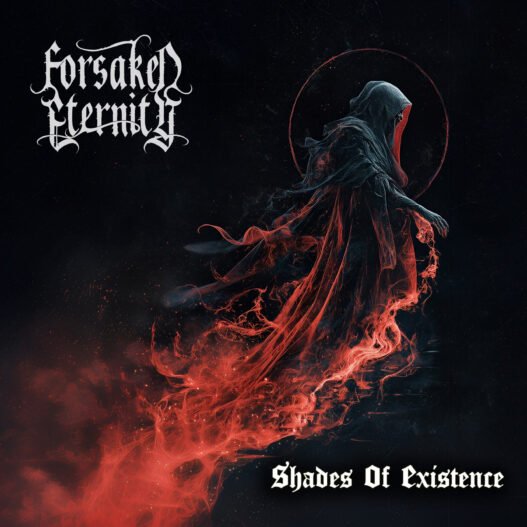
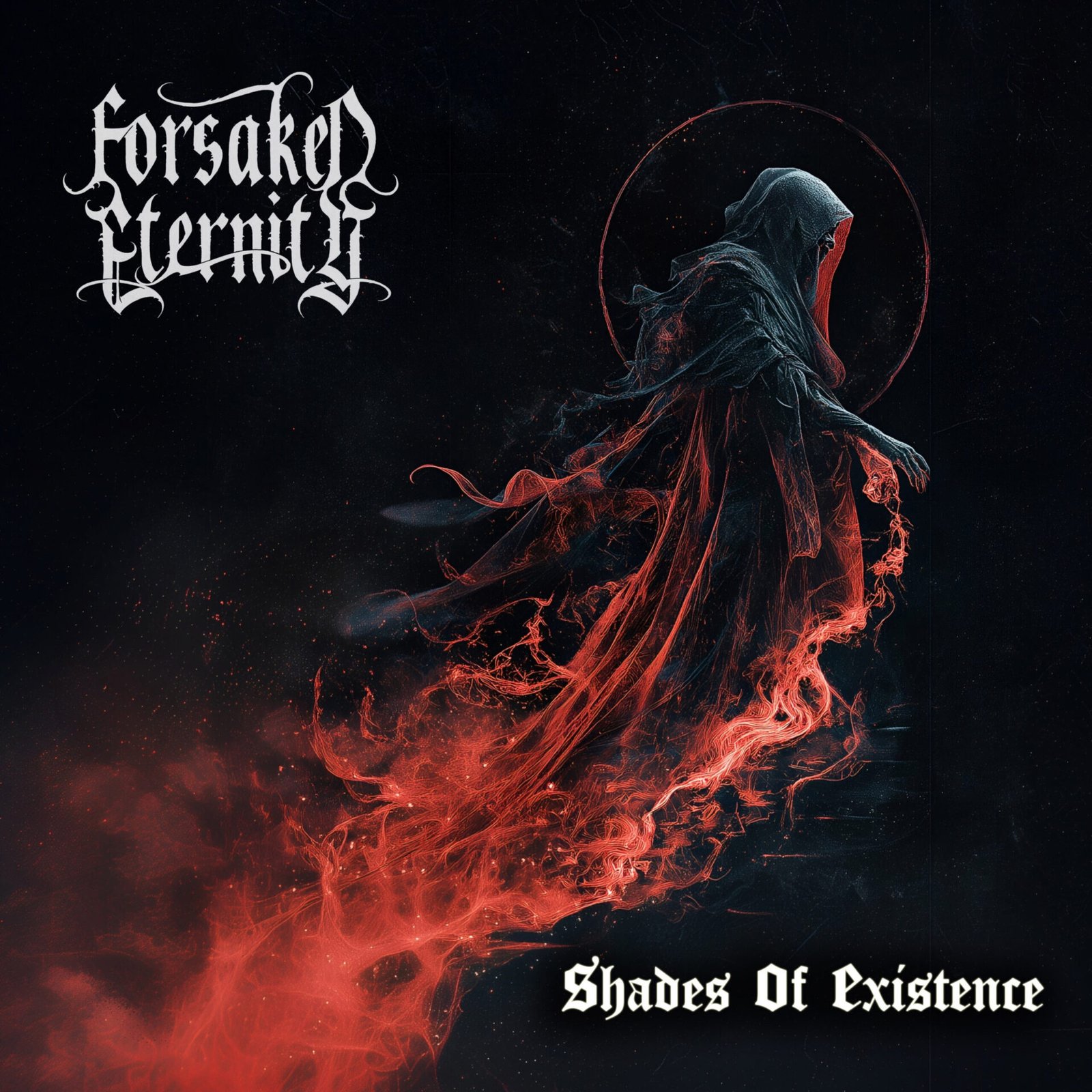
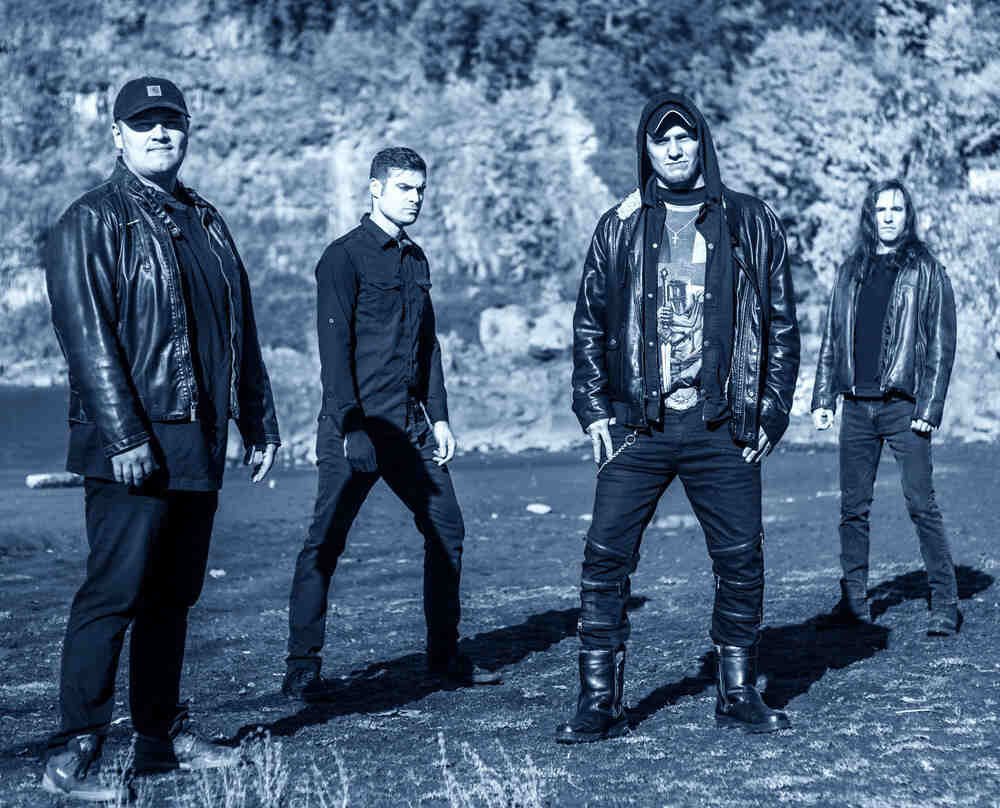
Cuatro años han discurrido desde que aquel monolito gélido titulado «A Kingdom Of Ice» cimentara las coordenadas geográficas y sonoras de Forsaken Eternity. En la cartografía del metal extremo contemporáneo, el paso de la ópera prima al segundo álbum suele deparar o bien la repetición mimética o bien una devaluación precipitada de la fórmula inicial. Sin embargo, el núcleo creativo radicado en Portland -compuesto por el multiinstrumentista Vladislav Gayko y el letrista y vocalista Nathan Mote– ha optado por un camino de fricción y expansión controlado. Auxiliados en esta ocasión por la arquitectura percusiva de Pierce Williams y la sutil agudeza ornamental de Brian Rush (ambos procedentes de las esquirlas técnicas de Skeletal Remains), «Shades Of Existence» no reescribe el canon que los vio nacer, pero sí recalibra las tensiones internas de su propuesta de death metal melódico con influjos sinfónicos y oscuridades de raigambre black metal.
Ficha Técnica
Artista: Forsaken Eternity
Álbum: «Shades Of Existence»
Sello: Rottweiler Records
Fecha de lanzamiento: 25 de septiembre de 2026
Género: Symphonic Melodic Black/Death Metal
Para fans de: Wintersun, Children Of Bodom, Vesperian Sorrow, Skyfire
Desde el primer segundo, la obra rechaza cualquier cortesía introductoria. El corte inaugural, “Adrift In A Twisted Ethereal”, actúa como un frente frío polar que colisiona de frente contra el oyente. La mezcla prescinde de la hiper-compresión digital estéril tan en boga en el circuito actual; por el contrario, los transitorios de la batería conservan una respiración orgánica donde la madera de la caja y el ataque de los bombos cortan la mezcla con precisión quirúrgica, sin devorar el contrapunto armónico. Las guitarras de Gayko despliegan una geometría de trémolos y arpegios que recuerda a las escuelas finesas de los noventa, pero con una densidad textural más propia del death metal técnico moderno. Sobre esa ventisca de frecuencias agudas y trémolos acelerados, la voz de Mote emerge no como un rugido visceral gratuito, sino como un elemento abrasivo, un latigazo gutural que escupe frases cargadas de una desesperación glacial.
La transición hacia “Whispers From The Moon” revela la verdadera columna vertebral compositiva del álbum: el contrapunto dinámico entre la agresividad rítmica y la arquitectura sinfónica. Aquí, el trabajo de Brian Rush a las teclas no busca el aplauso fácil del colchón orquestal prefabricado, sino que dialoga de tú a tú con el diapasón. Se produce un duelo explícito entre las frases neoclásicas del teclado y el filo cortante de los solos de guitarra, una dualidad que evita el empalago melódico gracias a una base rítmica implacable. La producción consigue que cada instrumento conserve su propio espacio en el plano estéreo: el bajo se desliza con una distorsión sutil pero perceptible que otorga cuerpo al sustrato armónico, impidiendo que el muro de sonido pierda definición en los pasajes de mayor acumulación polifónica.
Avanzando en el itinerario, la atmósfera se densifica con la llegada de “Celestial Witch”. Este tercer movimiento opera como el núcleo conceptual y oscuro del plástico. Las texturas se vuelven más opacas, los tempos oscilan con una tensión dramática que favorece el lucimiento de Pierce Williams tras los parches (quien asume la ejecución de la batería en este tramo con una solvencia técnica impecable, alternando blashbeats asfixiantes con quiebres rítmicos de naturaleza progresiva). La composición respira a través de pasajes donde los sintetizadores abandonan el fulgor barroco para adoptar timbres más densos y nebulosos, evocando páramos desolados donde la melodía se repliega sobre sí misma en busca de refugio.
El cierre llega de la mano del tema homónimo, “Shades Of Existence”. Lejos de apostar por el colapso orquestal previsible, la banda opta por una resolución de amplias miras atmosféricas, donde las capas de sonido se disuelven gradualmente como neblina sobre la tundra. Es en este cierre donde se aprecia la madurez del proyecto: Forsaken Eternity ha entendido que la grandilocuencia sinfónica solo adquiere peso real cuando se sustenta en una escritura de riffs honesta y en una paleta tímbrica coherente.
Si hubiera que poner el foco crítico sobre las costuras de la obra, cabría señalar que la fórmula, pese a su brillante ejecución técnica y su pulida factura formal, camina sobre un sendero estilístico fuertemente codificado por referentes históricos del norte de Europa. No hay aquí una ruptura de paradigmas estéticos, sino un perfeccionamiento milimétrico de los moldes clásicos. Sin embargo, la honestidad con la que se manejan los códigos, eludiendo la saturación comercial y manteniendo un pulso compositivo de primer orden, sitúa a este trabajo varios escalones por encima de la media de su categoría.
Puntuacion: 8.9 / 10
«Shades Of Existence» es una muestra de resistencia creativa y arquitectura extrema bien entendida; un ejercicio donde la melodía y el rigor técnico conviven sin lastrarse mutuamente.
Tracklist
“Adrift In A Twisted Ethereal”
“Whispers From The Moon”
“Celestial Witch”
“Shades Of Existence”
Formación
Vladislav Gayko – Toda la música, guitarras, bajo y arreglos instrumentales.
Nathan Mote – Letras y voz principal.
Pierce Williams – Batería (en “Shades Of Existence” y ejecución general de sesión).
Brian Rush – Solos de teclado (en “Whispers From The Moon” y “Celestial Witch”).
Multimedia
https://youtu.be/XGfw1b-py3s?si=8YWKmYyjY4jcYyL7
Redes sociales
- Facebook: https://www.facebook.com/forsakeneternityband
- Instagram: https://www.instagram.com/forsakeneternitymetal
- Bandcamp: https://forsakeneternityrr.bandcamp.com/
Four years have passed since that glacial monolith titled «A Kingdom Of Ice» cemented the geographical and sonic coordinates of Forsaken Eternity. In the cartography of contemporary extreme metal, the transition from a debut album to a sophomore effort typically yields either a mimetic repetition or a precipitous devaluation of the initial formula. However, the creative core based in Portland -comprising multi-instrumentalist Vladislav Gayko and lyricist and vocalist Nathan Mote– has opted for a path of controlled friction and expansion. Aided this time by the percussive architecture of Pierce Williams and the subtle ornamental acuity of Brian Rush (both hailing from the technical shards of Skeletal Remains), «Shades Of Existence» does not rewrite the canon that gave them birth, but it does recalibrate the internal tensions of their melodic death metal proposal with symphonic influences and black metal-rooted darkness.
From the very first second, the work rejects any introductory courtesy. The opening track, “Adrift In A Twisted Ethereal”, acts as a polar cold front colliding head-on with the listener. The mix dispenses with the sterile digital hyper-compression so en vogue in today’s circuit; instead, the drum transients retain an organic breath where the snare’s wood and the kick drums’ attack cut through the mix with surgical precision, without devouring the harmonic counterpoint. Gayko‘s guitars deploy a geometry of tremolos and arpeggios reminiscent of nineties Finnish schools, but with a textural density more typical of modern technical death metal. Over that blizzard of high frequencies and accelerated tremolos, Mote‘s voice emerges not as a gratuitous visceral roar, but as an abrasive element, a guttural lash spitting out phrases laden with glacial desperation.
The transition toward “Whispers From The Moon” reveals the true compositional backbone of the album: the dynamic counterpoint between rhythmic aggressiveness and symphonic architecture. Here, Brian Rush‘s work on the keys does not seek the easy applause of a prefabricated orchestral pad, but engages in a peer-to-peer dialogue with the fretboard. An explicit duel takes place between the neoclassical keyboard phrases and the sharp edge of the guitar solos, a duality that avoids melodic cloying thanks to an implacable rhythm section. The production ensures that each instrument retains its own space in the stereo field: the bass glides with a subtle yet perceptible distortion that gives body to the harmonic substrate, preventing the wall of sound from losing definition in passages of greater polyphonic accumulation.
Advancing along the itinerary, the atmosphere thickens with the arrival of “Celestial Witch”. This third movement operates as the conceptual and dark core of the record. The textures become more opaque, the tempos oscillate with a dramatic tension that favors Pierce Williams‘s performance behind the kit (handling the drum execution in this section with flawless technical solvency, alternating suffocating blast beats with progressive-natured rhythmic breaks). The composition breathes through passages where the synthesizers abandon baroque brilliance to adopt denser, more nebulous timbres, evoking desolate moors where the melody folds back upon itself in search of refuge.
The closing arrives via the self-titled track, “Shades Of Existence”. Far from opting for predictable orchestral collapse, the band chooses a resolution of broad atmospheric scope, where layers of sound gradually dissolve like mist over the tundra. It is in this conclusion that the project’s maturity is appreciated: Forsaken Eternity has understood that symphonic grandiloquence only acquires real weight when it is supported by honest riff-writing and a coherent timbral palette.
If one were to focus a critical lens on the work’s seams, it could be noted that the formula, despite its brilliant technical execution and polished formal craftsmanship, walks along a stylistic path heavily codified by historical references from Northern Europe. There is no rupture of aesthetic paradigms here, but rather a millimeter-precise refinement of classical molds. Nevertheless, the honesty with which the codes are handled -eschewing commercial saturation and maintaining top-tier compositional momentum- places this work several notches above the genre’s average.
Rating: 8.9 / 10
«Shades Of Existence» is a display of creative resistance and well-understood extreme architecture; an exercise where melody and technical rigor coexist without dragging each other down.