





(English Below)
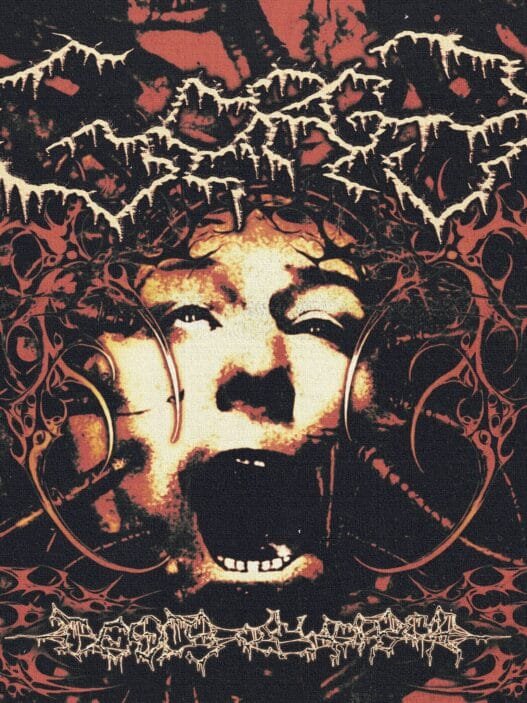
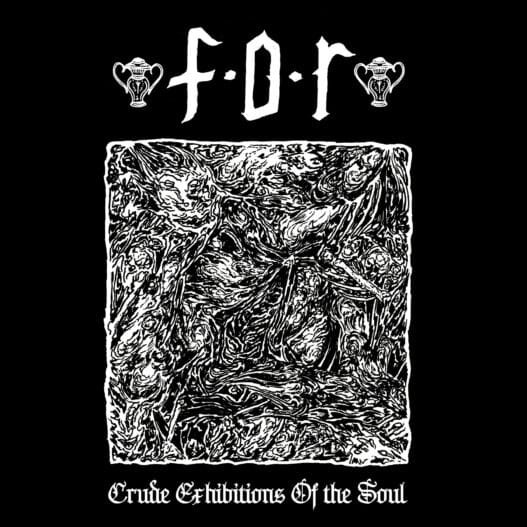
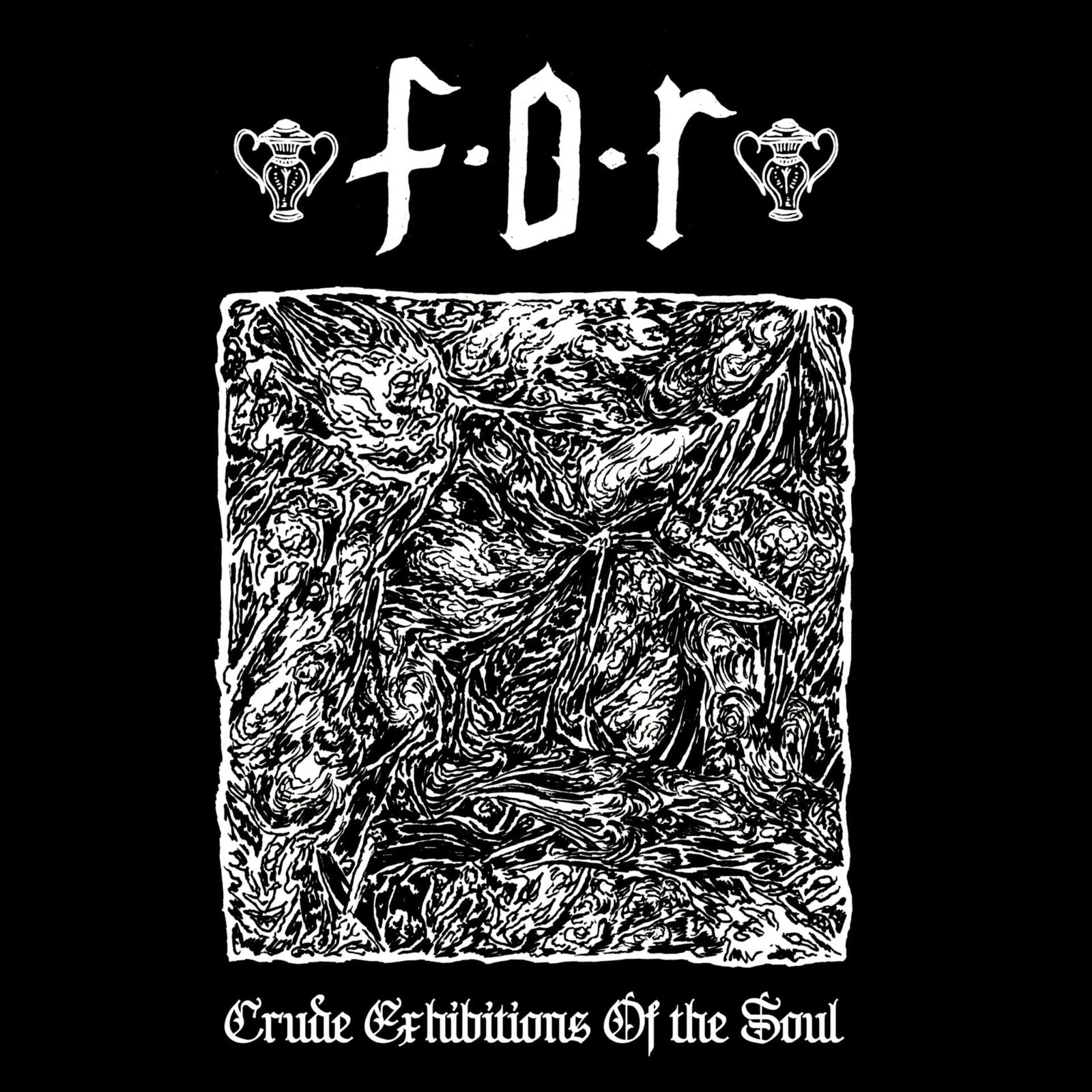
El metal extremo, en sus facetas más lúcidas y menos complacientes, rara vez busca el aplauso masivo; busca, en cambio, esa resonancia nerviosa que ocurre cuando el sonido deja de ser una frecuencia y se convierte en una confesión. Cuando escuché por primera vez «Crude Exhibitions Of The Soul», la sensación no fue la de descubrir una banda nueva, sino la de toparme con una herida abierta. Ahora que Flowers of Rust da el salto a una distribución internacional bajo la mano de Apocalyptic Witchcraft, mi juicio permanece inalterable: no estamos ante un disco más de black metal atmosférico, sino ante una disección emocional tan cruda y honesta que roza lo insoportable.
Ficha Técnica
Artista: Flowers of Rust
Álbum: «Crude Exhibitions Of The Soul»
Sello: Apocalyptic Witchcraft
Fecha de lanzamiento: 7 de agosto de 2026
Género: Depressive Atmospheric Black Metal / Post-Black Metal
Para fans de: Leviathan, Altar of Plagues, Bethlehem, Axis of Perdition
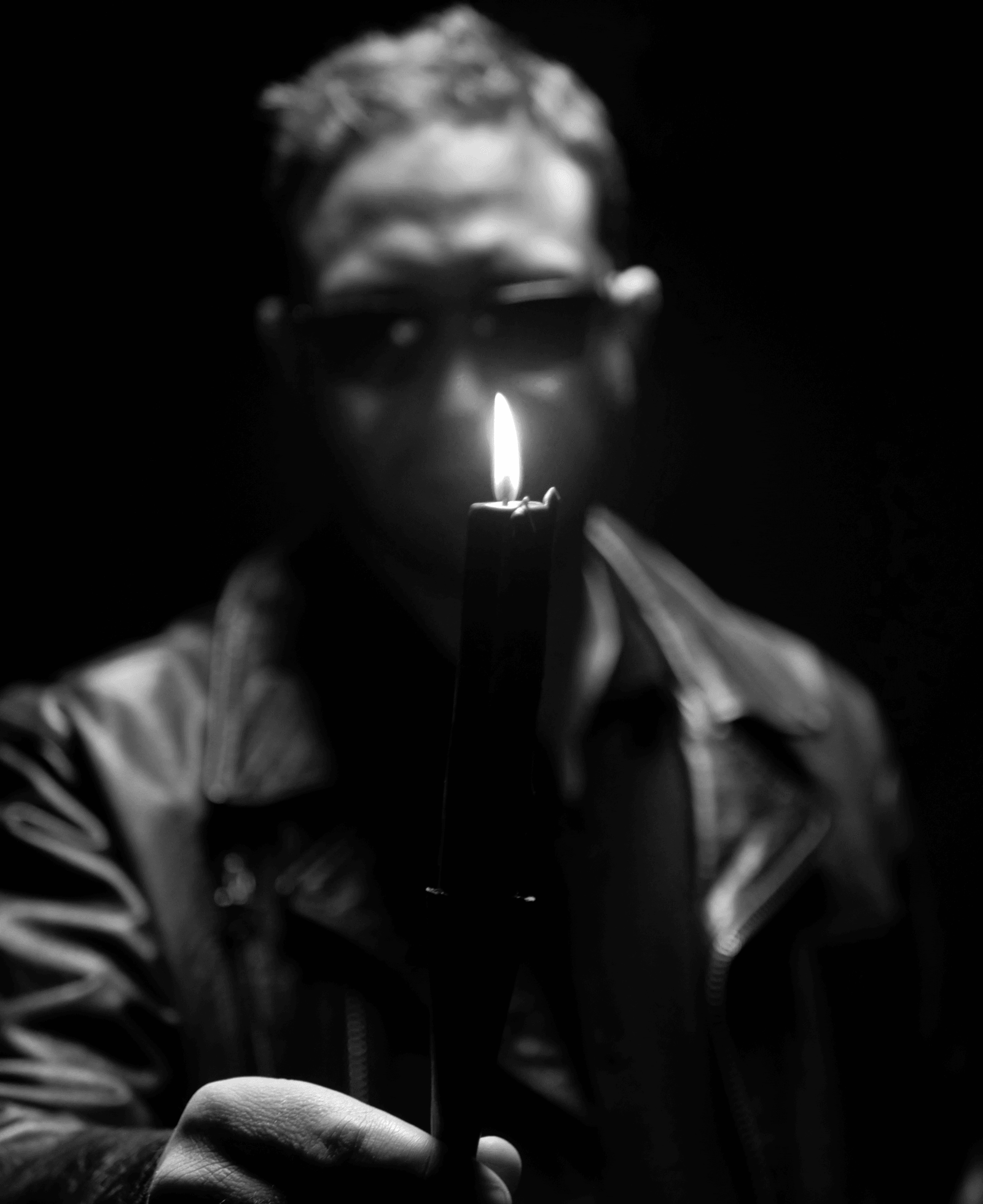
La propuesta de Jake O’Brien es, ante todo, una lección de vulnerabilidad extrema. En un terreno donde muchos se esconden tras la teatralidad del corpse paint o la parafernalia ritual, Flowers of Rust se despoja de todo artificio. No hay aquí una búsqueda de «ocultismo» barato o de estetización del mal. Lo que hay es el sonido de un sistema nervioso colapsando a las cuatro de la mañana, un eco de aislamiento que, desde Cleveland, logra proyectar una soledad universal, casi insoportable.
La producción de Thom Tadsen es el aliado perfecto para este desmoronamiento. Es un sonido «sucio» pero dotado de una claridad orgánica que permite que cada rasgueo de cuerda, cada quiebro vocal y cada golpe de batería se sientan como astillas de vidrio bajo la piel. El disco no busca la perfección técnica, pero la encuentra en su capacidad para articular el caos.
Comencemos por el principio: «Eigengrau». Es un error tildarlo de mera introducción. Es un preludio de vacío. Ese término alemán -la oscuridad percibida por el ojo humano en ausencia total de luz- define a la perfección lo que sigue. Es el umbral. Cuando la distorsión rompe con «Crude Exhibitions Of The Soul», el tema que da título a la obra, el oyente es arrojado a un torbellino de desolación. Las guitarras no se limitan a seguir un riff tradicional; respiran. Hay un fraseo en las cuerdas que imita el ritmo cardíaco de un animal acorralado, oscilando entre la ansiedad frenética de las partes rápidas y la desidia absoluta de los pasajes lentos. La voz de O’Brien aquí no es la de un vocalista al uso, sino la de alguien que está dejando de creer en la salvación. Es un desahogo visceral, carente de barniz.
«Sour Mercy» me golpeó con una severidad particular. Aquí, las influencias del post-black se vuelven evidentes pero nunca eclipsan la oscuridad central. La estructura es un descenso controlado. Hay momentos donde la melodía se vuelve casi hipnótica, una suerte de consuelo somnambulista que es rápidamente interrumpido por una disonancia violenta, un recordatorio de que la paz, en el universo de Flowers of Rust, es solo una ilusión temporal antes del siguiente embate.
Al llegar a «Brave New Corpse», el disco alcanza una densidad tectónica. Aquí, Jake O’Brien parece haber canalizado toda la herencia de bandas como Axis Of Perdition, pero dotándola de una modernidad gélida. Es un tema que no busca la inmediatez; se toma su tiempo para construir una arquitectura de pesadilla. Los acordes son colosales, un peso que se siente literalmente en el pecho, pero es en los motivos de guitarra -esos pasajes que se enroscan como una cuchilla de afeitar sobre la piel- donde el tema cobra su verdadera dimensión. Hay una cualidad cinematográfica en cómo la canción explota hacia esa «exhilaración sombría»; es el sonido de alguien que, al fin, acepta su propia destrucción y encuentra en ella una extraña, casi violenta, forma de libertad.
Luego nos sumergimos en «Bright Violence». Aquí, la disonancia no es un adorno, es el lenguaje principal. La canción articula una suerte de «dread» o pavor señorial. Hay una perturbación latente que corre por debajo de la superficie, un nivel de ansiedad que, si bien es sutil, se vuelve insoportable conforme el tema avanza. Es la representación sonora de una agitación interna que no puede ser expresada con palabras, solo mediante la estridencia. Es, posiblemente, el momento donde la producción de Thom Tadsen brilla con mayor fuerza: la separación de los planos sonoros es tan nítida que la cacofonía se siente ordenada, quirúrgica, casi deliberadamente dolorosa.
Pero si hay un epicentro, un punto donde todo lo que Flowers of Rust representa colapsa y renace, ese es «Mother Atrophy». Es, sin lugar a dudas, la cumbre emocional de «Crude Exhibitions Of The Soul». Durante más de siete minutos, la banda nos arrastra hacia sus profundidades ensombrecidas. La batería de J V Green aquí es fundamental: su capacidad para pasar de un ritmo cuasi marcial a un torrente incontrolable de blast beats sin perder el sentido de la «atmósfera» es lo que separa a este disco de las propuestas más genéricas del género. Es una canción que te deja abandonado en una orilla remota, aullando bajo un cielo que no tiene la menor intención de responderte. El título, «Madre Atrofia», resume la temática central del álbum: la decadencia no como un evento repentino, sino como un proceso lento, inevitable y, a menudo, materno; algo que nos ha nutrido hasta consumirnos por completo.
Finalmente, «Driftwood» llega como la estocada final. Es un cierre breve, un fragmento de escombro emocional que funciona como el epílogo perfecto para un libro que preferirías no haber leído, pero que no puedes olvidar. Es la música de un náufrago que ya no espera ser rescatado, sino que se deja llevar por la corriente, desintegrándose en el mar de su propia miseria. No hay lecciones, no hay redención, solo la constatación de la fragilidad.
Al observar el panorama del depressive atmospheric black metal actual, es común encontrar bandas que intentan replicar el sonido de las leyendas -esos ecos de Bethlehem o Leviathan– sin entender la angustia que los motivó. Flowers of Rust evita la trampa del mimetismo. Lo que hace que este álbum sea especial es su honestidad brutal. Jake O’Brien no está «actuando» de triste; está traduciendo una vivencia. La incorporación de Thorn Blackfyre en la guitarra adicional es otro acierto, aportando texturas que quizás solo alguien que habita la misma oscuridad podría haber concebido.
La alianza con Apocalyptic Witchcraft se siente natural, casi necesaria. Es un sello que ha sabido cobijar a artistas que no buscan el éxito comercial, sino una conexión profunda con lo indecible. Este disco es un ejemplo perfecto de por qué el underground sigue siendo el único lugar donde la música extrema puede seguir siendo, realmente, extrema. No por el volumen, no por la velocidad, sino por la profundidad del abismo al que nos obliga a mirar.
Si tuviera que señalar una flaqueza, sería la exigencia que el disco pone sobre el oyente.«Crude Exhibitions Of The Soul» no es una escucha casual. Requiere un estado mental específico, una disposición a ser desmantelado. Pero si buscas un álbum que sea más que música, que funcione como un espejo en el que ver reflejadas tus propias fracturas, este es, sin duda, una de las obras más imprescindibles de este 2026. Es una exposición cruda, sí, pero es precisamente en esa crudeza donde reside su innegable, y casi insoportable, belleza.
Puntuación: 9.0/10.
«Crude Exhibitions Of The Soul» es, sin duda, una de las obras más honestas que han cruzado mi camino en este año. Es un disco que no invita a ser escuchado, sino a ser padecido.
Tracklist
«Eigengrau»
«Crude Exhibitions Of The Soul»
«Sour Mercy»
«Brave New Corpse»
«Bright Violence»
«Mother Atrophy»
«Driftwood»
Formación
Jake O’Brien: Guitarras, bajo, voz.
J V Green: Batería.
Thorn Blackfyre: Guitarra adicional en el tema homónimo.
Multimedia
Redes sociales
Sello (Apocalyptic Witchcraft): https://apocalypticwitchcraft.co.uk/
Bandcamp: https://flowersofrust.bandcamp.com/
Extreme metal, in its most lucid and least complacent facets, rarely seeks mass applause; it searches, instead, for that nervous resonance that occurs when sound stops being a frequency and becomes a confession. When I first heard «Crude Exhibitions Of The Soul», the feeling was not that of discovering a new band, but of coming across an open wound. Now that Flowers of Rust makes the leap to international distribution under the wing of Apocalyptic Witchcraft, my verdict remains unchanged: we are not facing just another atmospheric black metal record, but an emotional dissection so raw and honest it borders on the unbearable.
Jake O’Brien’s proposal is, above all, a lesson in extreme vulnerability. In a territory where many hide behind the theatricality of corpse paint or ritual paraphernalia, Flowers of Rust strips away all artifice. There is no search here for cheap «occultism» or the aestheticization of evil. What exists is the sound of a nervous system collapsing at four in the morning, an echo of isolation that, from Cleveland, manages to project a universal, almost unbearable solitude.
Thom Tadsen’s production is the perfect ally for this crumbling. It is a «dirty» sound yet endowed with an organic clarity that allows every chord strum, every vocal break, and every drum strike to feel like glass splinters beneath the skin. The record does not seek technical perfection, but finds it in its capacity to articulate chaos.
Let us begin at the beginning: «Eigengrau». It is a mistake to label it a mere introduction. It is a prelude to the void. That German term -the darkness perceived by the human eye in the total absence of light -perfectly defines what follows. It is the threshold. When the distortion breaks through with «Crude Exhibitions Of The Soul», the title track of the work, the listener is thrown into a whirlwind of desolation. The guitars do not limit themselves to following a traditional riff; they breathe. There is a phrasing in the strings that mimics the heartbeat of a cornered animal, oscillating between the frenetic anxiety of the fast parts and the absolute apathy of the slow passages. O’Brien’s voice here is not that of a typical vocalist, but that of someone who is ceasing to believe in salvation. It is a visceral release, devoid of varnish.
«Sour Mercy» hit me with particular severity. Here, the post-black influences become evident, yet they never eclipse the central darkness. The structure is a controlled descent. There are moments where the melody becomes almost hypnotic, a sort of somnambulistic comfort that is swiftly interrupted by violent dissonance -a reminder that peace, in the universe of Flowers of Rust, is merely a temporary illusion before the next strike.
Upon reaching «Brave New Corpse», the record achieves a tectonic density. Here, Jake O’Brien seems to have channeled the entire legacy of bands like Axis Of Perdition, but imbuing it with an icy modernity. It is a track that does not seek immediacy; it takes its time to construct a nightmare architecture. The chords are colossal, a weight felt literally in the chest, but it is in the guitar motifs -those passages that coil like a razor blade over the skin- where the track assumes its true dimension. There is a cinematic quality to how the song explodes toward that «somber exhilaration»; it is the sound of someone who, at last, accepts their own destruction and finds within it a strange, almost violent form of freedom.
Next, we dive into «Bright Violence». Here, dissonance is not an ornament; it is the main language. The song articulates a sort of stately dread. There is a latent disturbance running beneath the surface, a level of anxiety that, while subtle, becomes unbearable as the track progresses. It is the sonic representation of an internal turmoil that cannot be expressed with words, only through stridency. It is, quite possibly, the moment where Thom Tadsen’s production shines brightest: the separation of sound planes is so sharp that the cacophony feels ordered, surgical, almost deliberately painful.
But if there is an epicenter, a point where everything Flowers of Rust represents collapses and is reborn, that is «Mother Atrophy». It is, without a doubt, the emotional summit of «Crude Exhibitions Of The Soul». For over seven minutes, the band drags us into its shadowed depths. J V Green’s drumming here is fundamental: his ability to shift from a quasi-martial rhythm to an uncontrollable torrent of blast beats without losing the sense of «atmosphere» is what separates this record from more generic offerings in the genre. It is a song that leaves you stranded on a remote shore, howling beneath a sky that has no intention of answering you. The title, «Mother Atrophy,» summarizes the central theme of the album: decay not as a sudden event, but as a slow, inevitable, and often maternal process; something that has nourished us until consuming us completely.
Finally, «Driftwood» arrives as the final blow. It is a brief closure, a fragment of emotional debris that serves as the perfect epilogue to a book you would prefer not to have read, yet cannot forget. It is the music of a castaway who no longer expects to be rescued, but lets themselves be carried by the current, disintegrating in the sea of their own misery. There are no lessons, there is no redemption -only the realization of fragility.
Looking at the current depressive atmospheric black metal landscape, it is common to find bands trying to replicate the sound of legends -those echoes of Bethlehem or Leviathan- without understanding the anguish that motivated them. Flowers of Rust avoids the trap of mimicry. What makes this album special is its brutal honesty. Jake O’Brien is not «acting» sad; he is translating a lived experience. The addition of Thorn Blackfyre on additional guitar is another success, bringing textures that perhaps only someone inhabiting the same darkness could have conceived.
The alliance with Apocalyptic Witchcraft feels natural, almost necessary. It is a label that has known how to shelter artists who do not seek commercial success, but rather a deep connection with the unspeakable. This record is a perfect example of why the underground remains the only place where extreme music can still be truly extreme. Not because of volume, not because of speed, but because of the depth of the abyss it forces us to stare into.
If I had to point out a weakness, it would be the demand the album places on the listener. «Crude Exhibitions Of The Soul» is not a casual listen. It requires a specific state of mind, a willingness to be dismantled. But if you are looking for an album that is more than music, one that functions as a mirror in which to see your own fractures reflected, this is without a doubt one of the most essential works of this 2026. It is a raw exhibition, yes, but it is precisely in that rawness where its undeniable, and almost unbearable, beauty resides.
Score: 9.0 / 10
«Crude Exhibitions Of The Soul» is, without a doubt, one of the most honest works that have crossed my path this year. It is an album that does not invite you to listen to it, but rather to suffer it.